Public spaces often suffer from poor design and a lack of visual appeal, leading to underutilization and a negative aesthetic environment. This article explores how gabions, a versatile and innovative landscaping solution, can enhance the beauty of public areas. By incorporating gabions, urban planners and landscape architects can address common challenges like erosion control, noise reduction, and creating inviting spaces. Utilizing gabions not only serves functional purposes but also offers an attractive solution, making public spaces more engaging and enjoyable for the community.
Gabions, constructed from wire mesh and filled with rocks, soil, or other materials, are gaining popularity as a sustainable design element in public spaces. They are not only aesthetically pleasing but also serve multiple functions, such as providing structural support, improving drainage, and reducing noise pollution. According to the "International Journal of Engineering and Technology", using gabions as retaining walls can lower construction costs by up to 50% in certain applications.
Enhance visual appeal.
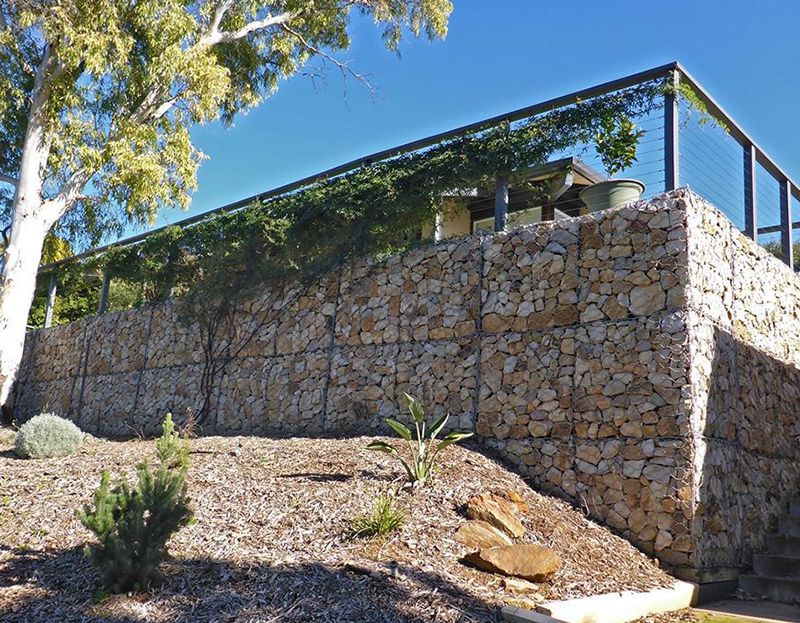
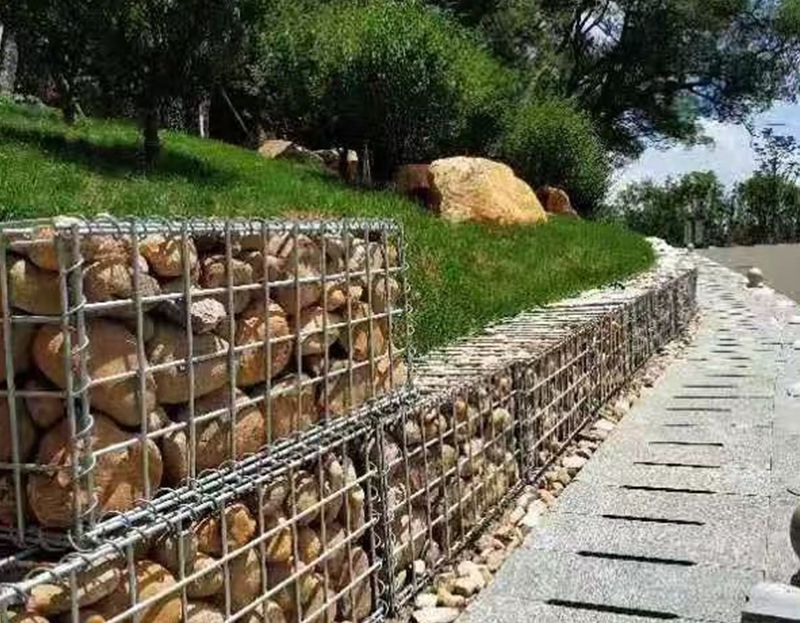
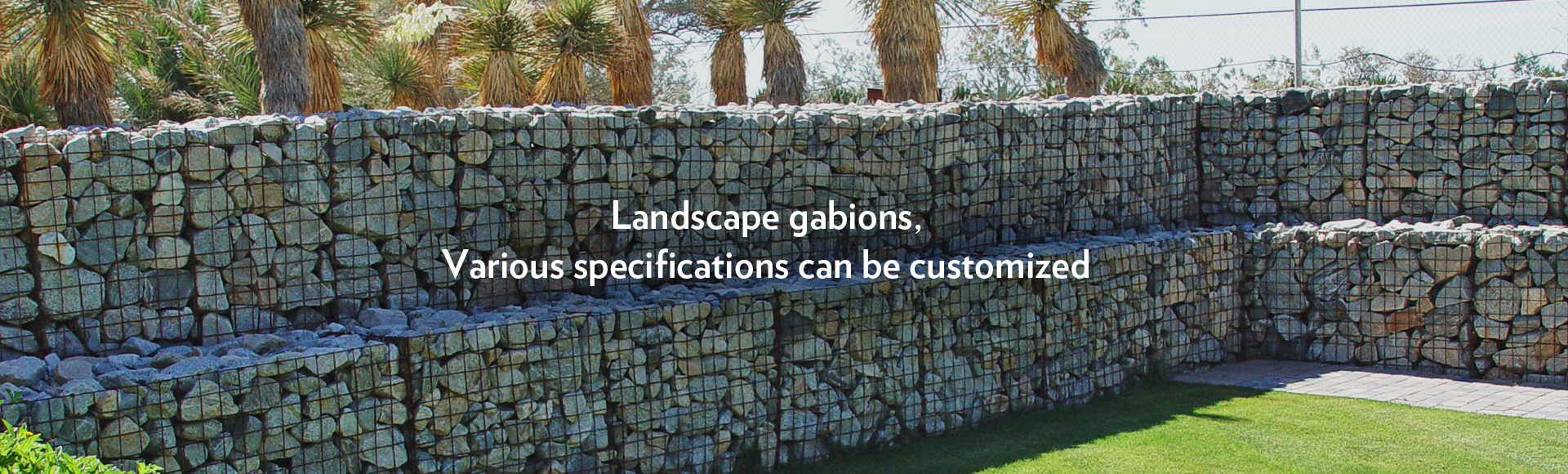
Incorporating beautifully arranged gabions can transform dull landscapes into stunning features. These can be designed with varying textures and colors to match the surrounding environment.
Suitable for urban settings like parks, plaza areas, or public gardens, decorative gabions can serve as focal points that enhance the overall aesthetic experience.
Prevent land degradation effectively.
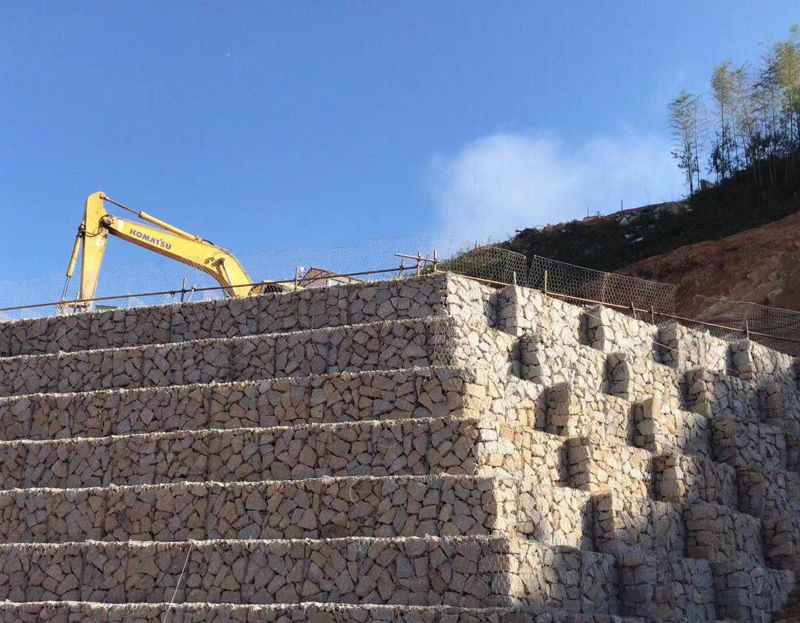
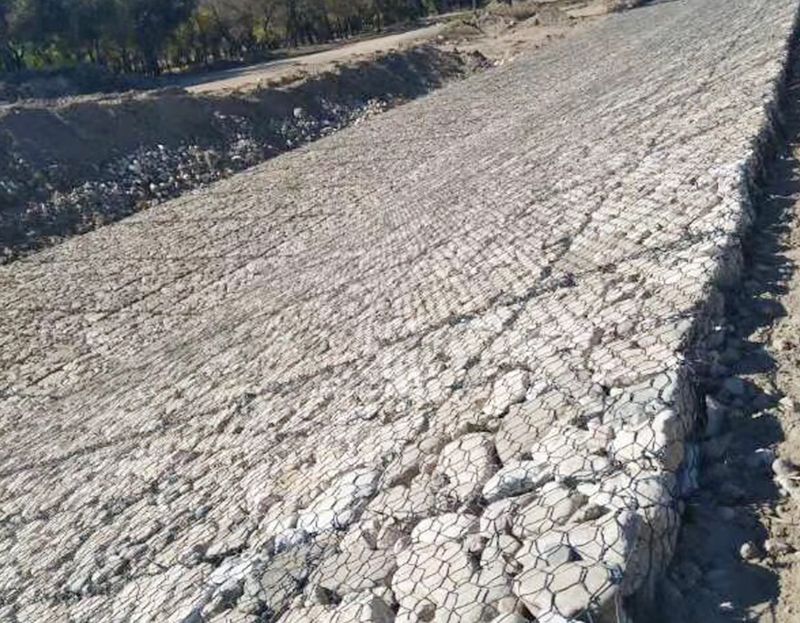
Gabions provide excellent erosion control, making them ideal for riverbanks or sloped landscapes. They stabilize soil and prevent runoff, contributing to the longevity of plant life.
Best for regions prone to erosion, such as riverbanks and hilly terrains, gabions can be strategically placed to create a more sustainable ecosystem.
Reduce noise pollution.
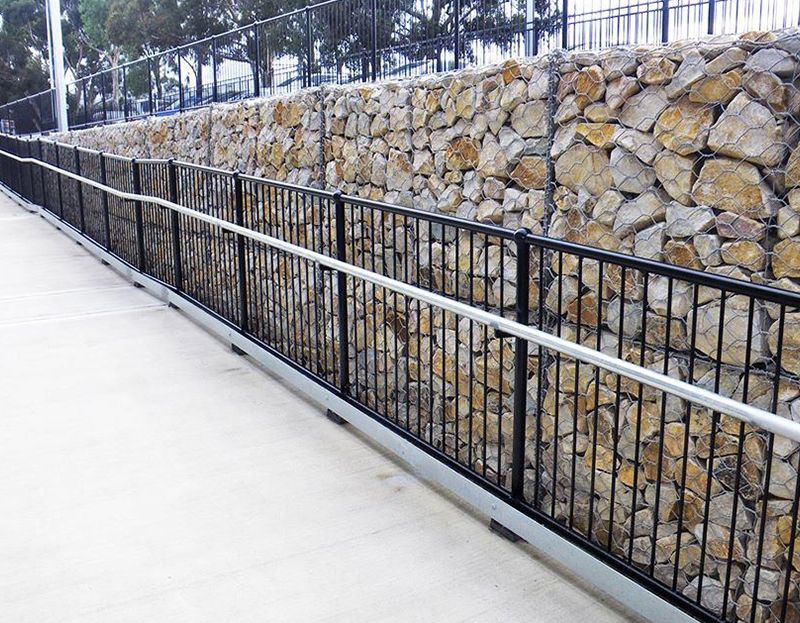
Filled with heavy materials, gabions act as effective sound barriers, leading to quieter public spaces. This is particularly beneficial in urban areas with busy traffic.
Perfect for use near highways or busy streets, gabions can help create a more peaceful environment, improving the community's quality of life.
Create natural habitats.
Gabions can be designed to include plantings and natural elements, fostering biodiversity and attracting local wildlife. This approach not only beautifies the space but also supports local ecosystems.
Ideal for parks and wildlife reserves, gabion installations can encourage interaction and education about local species.
Provide functional seating.
Gabions can be combined with wooden or stone seating options to create unique resting areas. Their sturdy design allows for both comfort and durability.
Best suited for public plazas or parks, these multifunctional structures can blend seating with attractive landscaping, inviting people to socialize and relax.
Gabions offer a blend of functionality and aesthetic appeal, making them an invaluable asset in public space design. They not only prevent erosion and reduce noise but also actively improve the visual landscape and support wildlife. Cities looking to revamp public areas should consider incorporating gabions from reputable suppliers like Zhenlu, which ensures high-quality materials and innovative designs.
Gabions can be filled with various materials such as stones, recycled materials, or even soil, depending on the intended application.
Yes, gabions are often made from natural materials and can be reused, making them a sustainable option for public space design.
When properly maintained, gabions can last over 25 years, providing a long-term solution for structural and aesthetic needs in public areas.
Reputable suppliers like Zhenlu offer a range of gabion products tailored to fit various public space requirements, ensuring quality and durability.
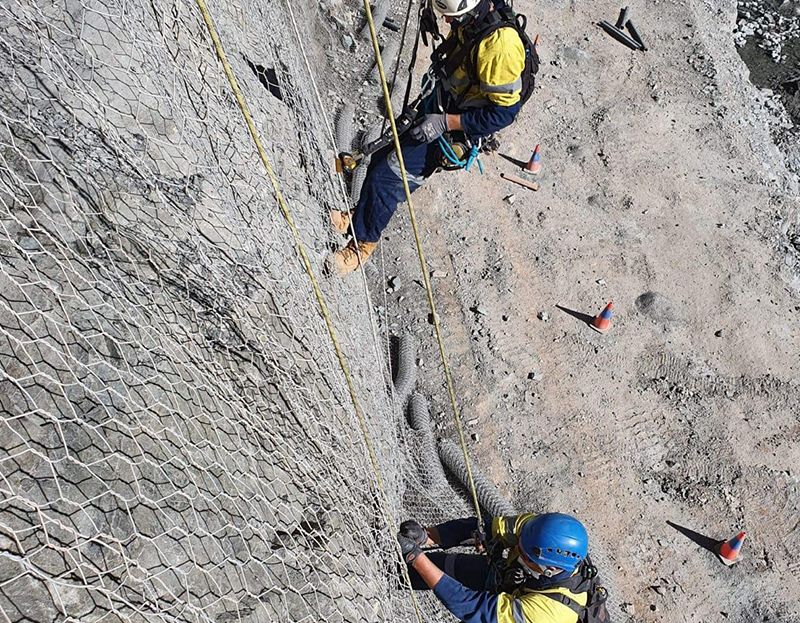
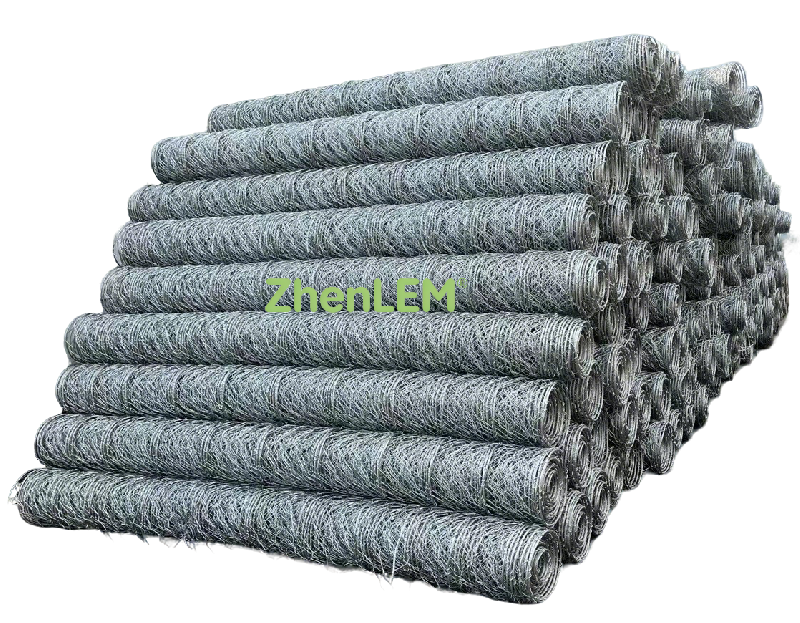 High-Strength Reinforced Rockfall Mesh
ZHUOMAO® HR High-Strength Reinforced Rockfall Mesh, designed for rockfall mitigation, slope stabilization, and surface protection in geotechnical engineering.with reliable tensile strength and impact resistance.
High-Strength Reinforced Rockfall Mesh
ZHUOMAO® HR High-Strength Reinforced Rockfall Mesh, designed for rockfall mitigation, slope stabilization, and surface protection in geotechnical engineering.with reliable tensile strength and impact resistance.
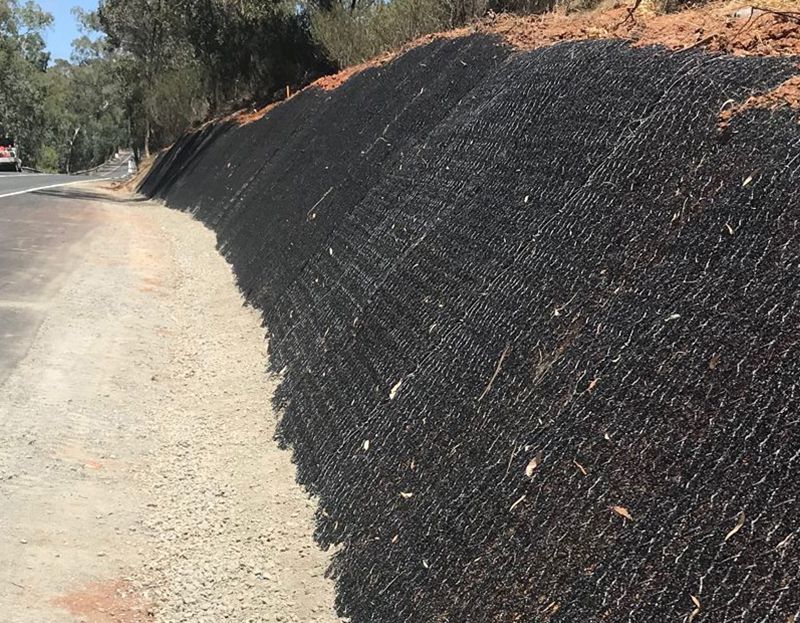
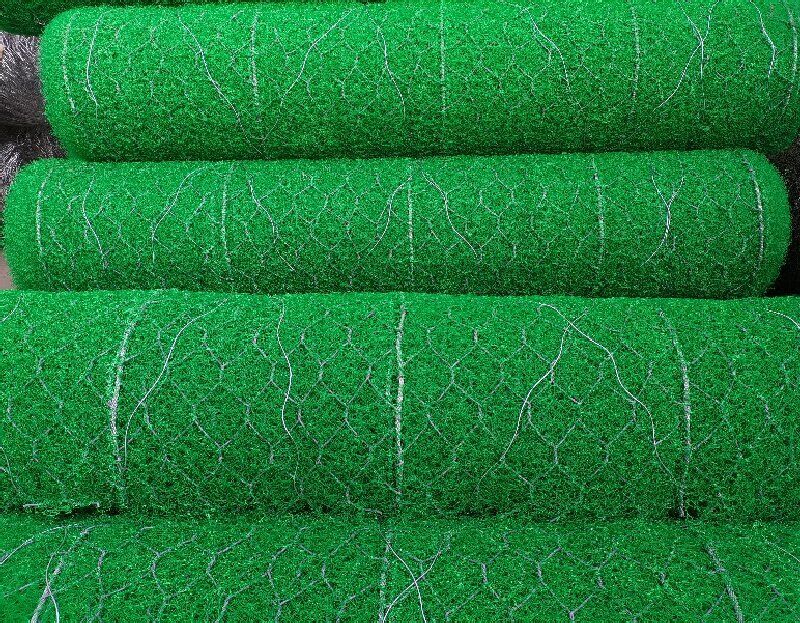
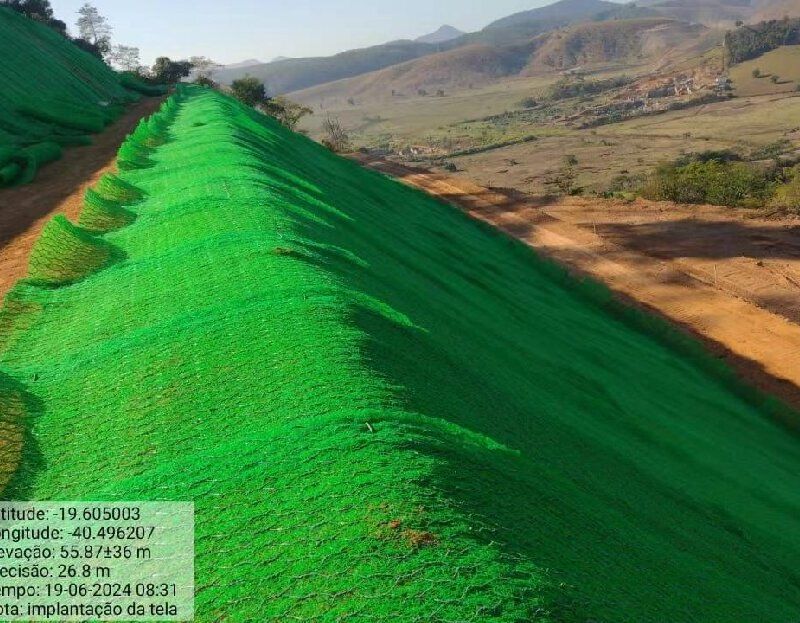
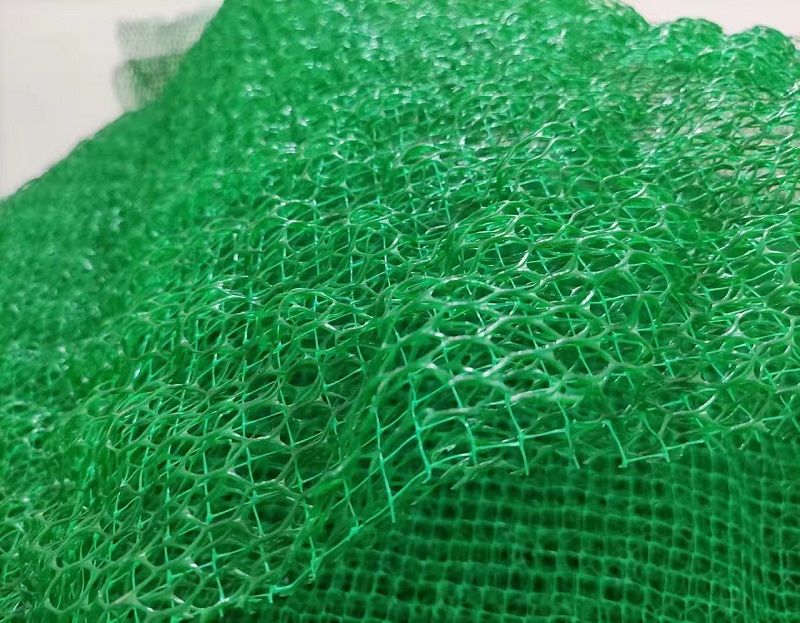 3D Geomat Erosion Control Blanket
The 3D Geomat Erosion Control Blanket is a specialized geosynthetic material designed to prevent soil erosion and stabilize slopes in civil engineering and environmental projects. It is constructed with a three-dimensional structure that provides enhanced performance in erosion control.
3D Geomat Erosion Control Blanket
The 3D Geomat Erosion Control Blanket is a specialized geosynthetic material designed to prevent soil erosion and stabilize slopes in civil engineering and environmental projects. It is constructed with a three-dimensional structure that provides enhanced performance in erosion control.
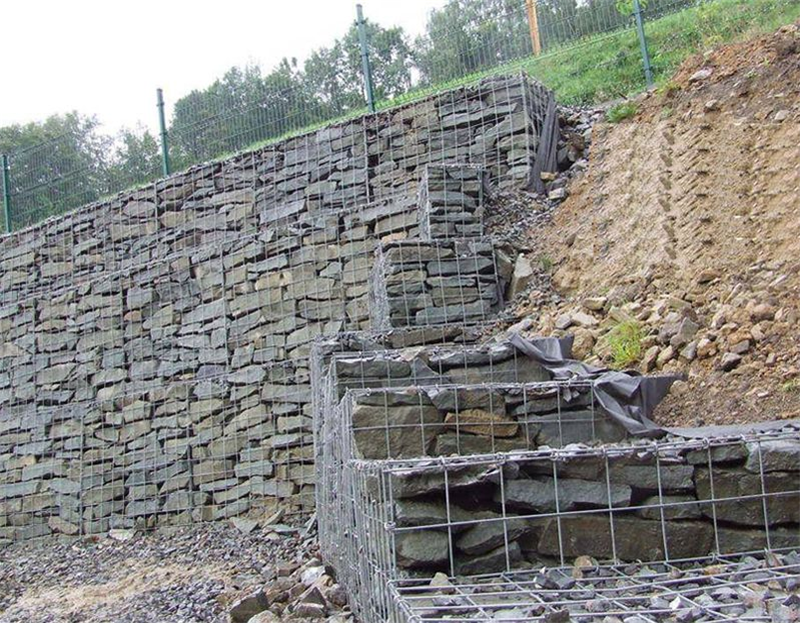 Gabion
 big pros are they’re economic, they have little to no maintenance, they’re easy to install and they can be created fairly quickly,and they are very long lasting.
Gabion
Gabion big pros are they’re economic, they have little to no maintenance, they’re easy to install and they can be created fairly quickly,and they are very long lasting.
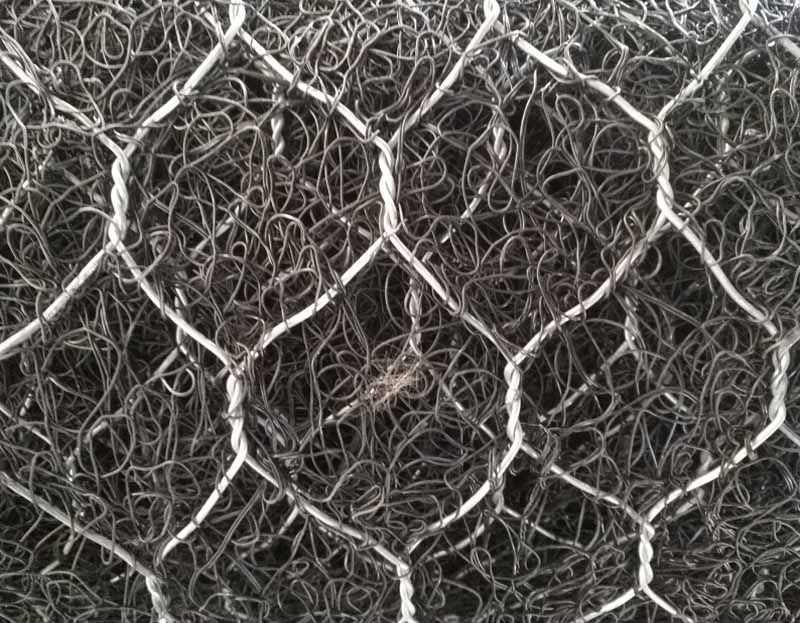
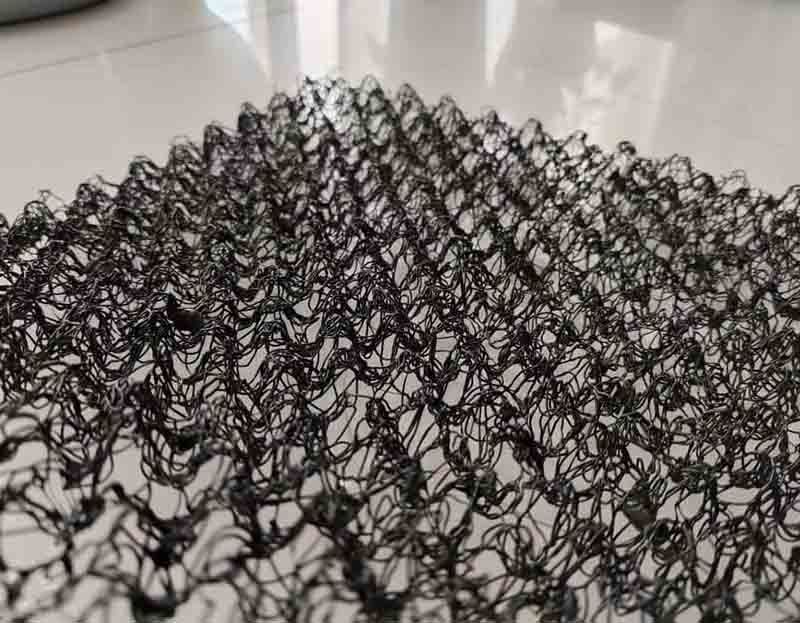 3D GeoMat
3D GEOMAT(Soil and water conservation blanket)
3D Geomat are used to provide permanent reinforcement to the grass root matrix for permanent surface erosion protection.
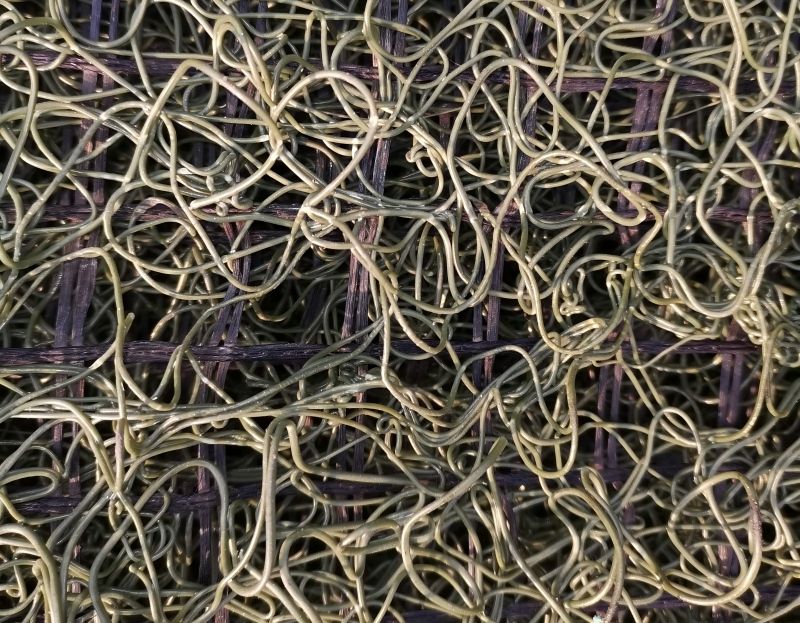
3D Geomat Erosion Control Blanket
The 3D Geomat Erosion Control Blanket is a specialized geosynthetic material designed to prevent soil erosion and stabilize slopes in civil engineering and environmental projects. It is constructed with a three-dimensional structure that provides enhanced performance in erosion control.
3D GeoMat
3D GEOMAT(Soil and water conservation blanket)
3D Geomat are used to provide permanent reinforcement to the grass root matrix for permanent surface erosion protection.
3D Geomat Erosion Control Blanket
The 3D Geomat Erosion Control Blanket is a specialized geosynthetic material designed to prevent soil erosion and stabilize slopes in civil engineering and environmental projects. It is constructed with a three-dimensional structure that provides enhanced performance in erosion control.

MainProducts: Gabion Baskets for Sale, Gabions Supplier, Gabion Mattress manufacturer, Gabion Baskets Manufacturer, Welded Gabion, Custom Gabion Baskets, Gabion Landscaping, Crimped Mesh, Aluminum I Bar Grating, Slope Protection Gabion Mesh
Keywords: Road Mesh, Gabion Basket, Gabion Wall, Bastion Barrier Wall, Gabion Retaining Wall, Gabion Box

 EN
EN