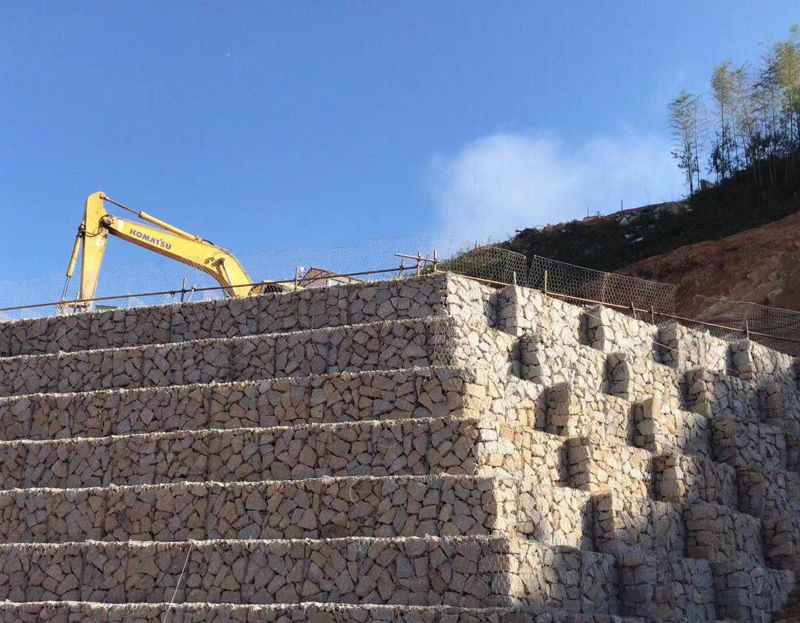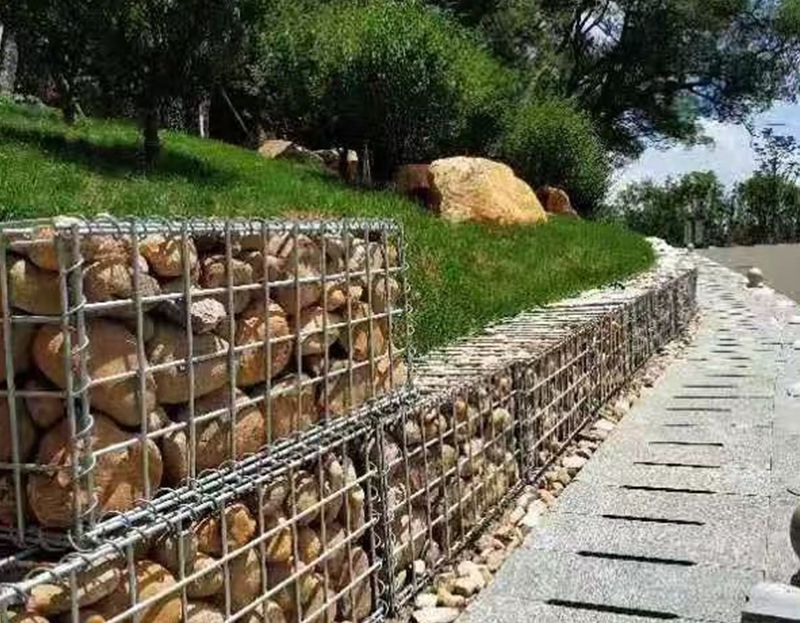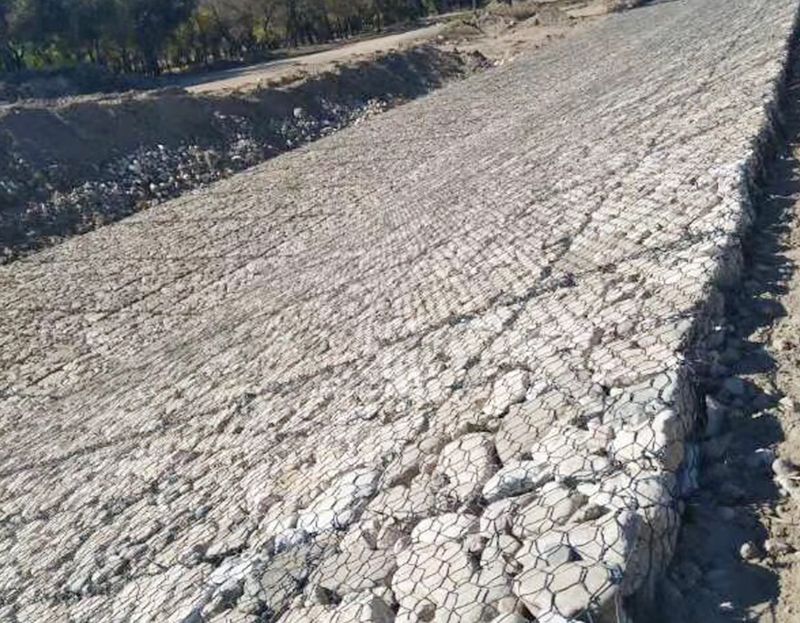
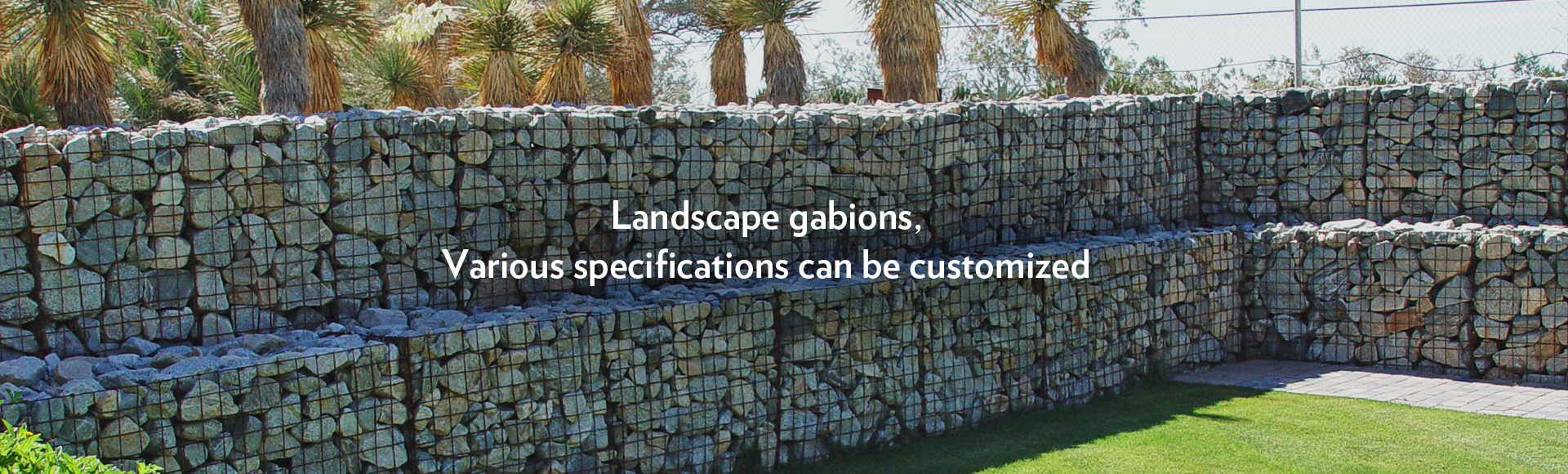
Managing river flow direction is a crucial concern for many communities facing erosion and flooding challenges. Traditional methods often fall short, leading to environmental degradation and increased risk to nearby infrastructure. Gabion groynes offer a practical and efficient solution that addresses these issues. By utilizing durable materials and design innovations, gabion structures not only stabilize riverbanks but also enhance ecological integrity. This article explores the effectiveness of gabion groynes, supported by data and case studies from reputable sources like Zhenlu's engineering solutions.
Gabion groynes are structures made from wire mesh filled with rocks or other materials. They are strategically placed in rivers to manage sediment transport, redirect flow, and reduce erosion. According to research published in the Journal of Hydraulic Engineering, properly designed gabion groynes can decrease riverbank erosion by up to 75% when compared to unprotected banks. Their effectiveness lies in their ability to absorb energy from flowing water, promoting sediment deposition rather than erosion.
The benefits of using gabion groynes extend far beyond simple erosion control. A case study in the Rhine River showed that the implementation of gabion structures reduced flood risk by 40%, offering significant financial savings in flood management costs. Moreover, gabion groynes have been shown to improve local biodiversity; a study by the National River Restoration Science Synthesis found a 30% increase in aquatic species diversity in locations where gabion groynes were installed. These data-driven insights underline the substantial ecological and economic benefits of using gabion groynes for river management.
When comparing gabion groynes to traditional methods, the choice becomes clear. Traditional revetments may cost approximately 20% less upfront, but they often require extensive maintenance and can sustain considerable damage from high-velocity water flow. Gabion groynes, on the other hand, can withstand significant forces and adapt to changing flow conditions, reducing maintenance needs by up to 50%. In the long run, using gabion structures proves to be more cost-effective and sustainable.
For example, a comparison between a section of the Mississippi River with standard riprap versus a section reinforced with Zhenlu gabion groynes revealed that the latter maintained its structural integrity during high flood events, while the former experienced severe erosion and required substantial repairs. This real-world evidence supports the rationale for choosing gabion groynes over conventional methods.
In summary, gabion groynes offer a reliable, cost-effective solution for managing river flow direction and controlling erosion. Their ability to mitigate flood risks, enhance biodiversity, and reduce maintenance costs offers a comprehensive value proposition that traditional methods simply cannot match. For those interested in sustainable river management, exploring gabion groynes through reputable suppliers like Zhenlu could be the solution you need.
If you're seeking to understand more about gabion groynes and their implementation in river management, let Zhenlu assist you in exploring these innovative solutions. Visit our website for case studies, expert guidance, and tailored solutions.
Gabion groynes are typically constructed from rust-resistant wire mesh and filled with various materials, including gravel, stone, or concrete, to ensure stability and durability.
With proper installation and maintenance, gabion groynes can last for decades, significantly outperforming traditional erosion control methods that may require frequent repairs.
While DIY installation is possible for smaller projects, it is recommended to consult with professionals to ensure proper design and placement for maximum effectiveness.
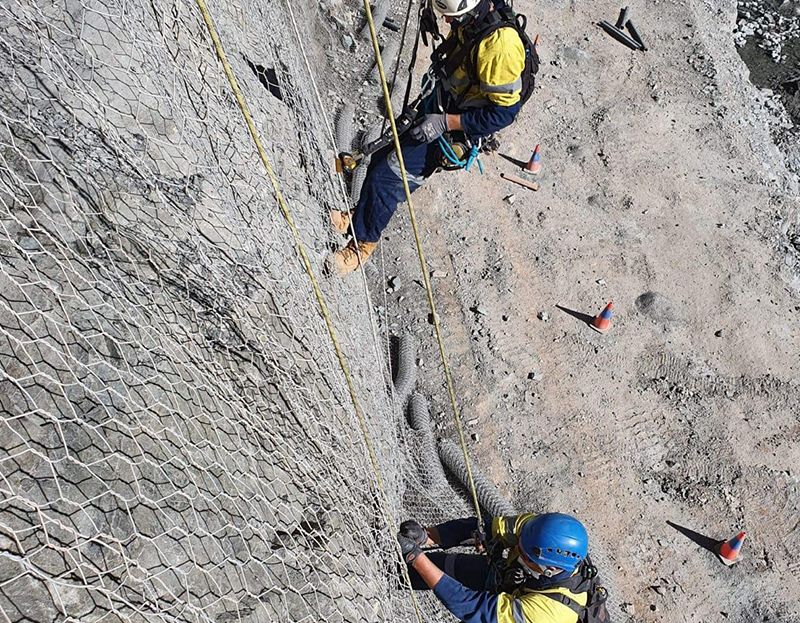
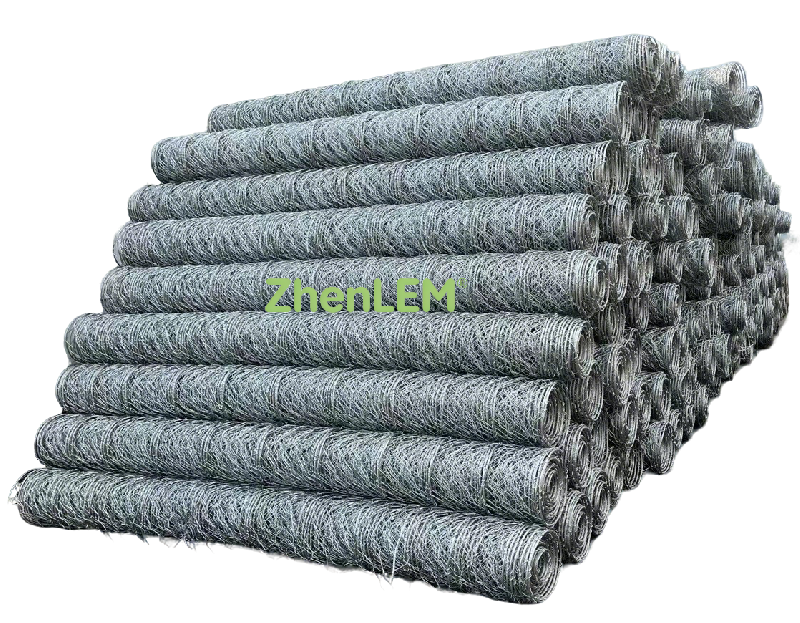 High-Strength Reinforced Rockfall Mesh
ZHUOMAO® HR High-Strength Reinforced Rockfall Mesh, designed for rockfall mitigation, slope stabilization, and surface protection in geotechnical engineering.with reliable tensile strength and impact resistance.
High-Strength Reinforced Rockfall Mesh
ZHUOMAO® HR High-Strength Reinforced Rockfall Mesh, designed for rockfall mitigation, slope stabilization, and surface protection in geotechnical engineering.with reliable tensile strength and impact resistance.
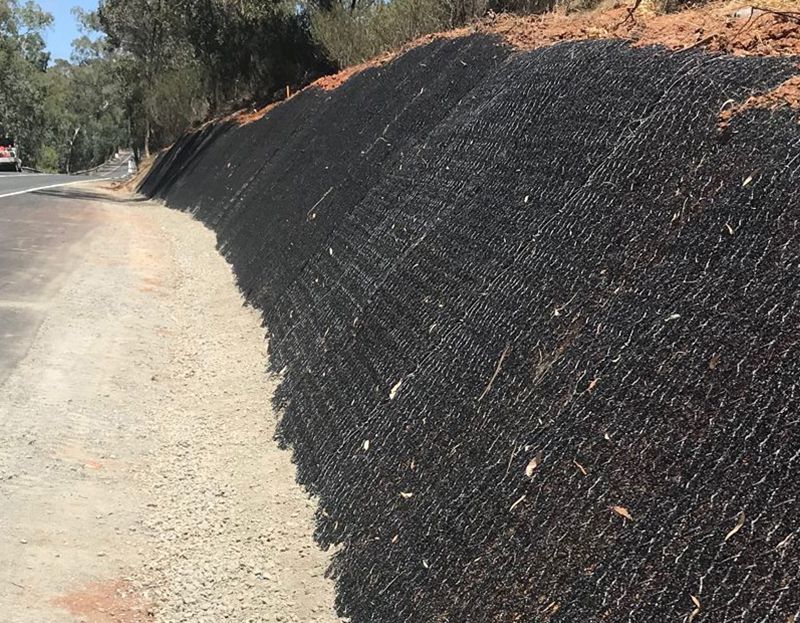
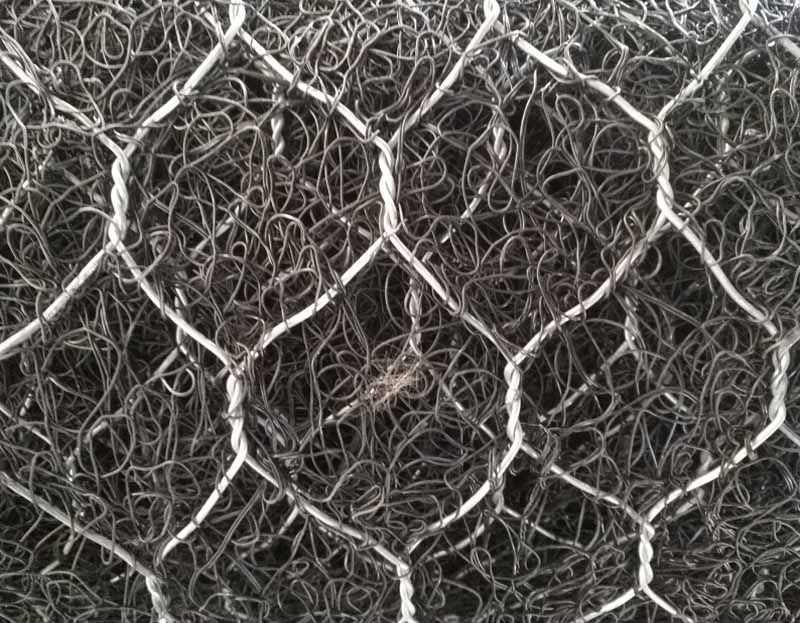
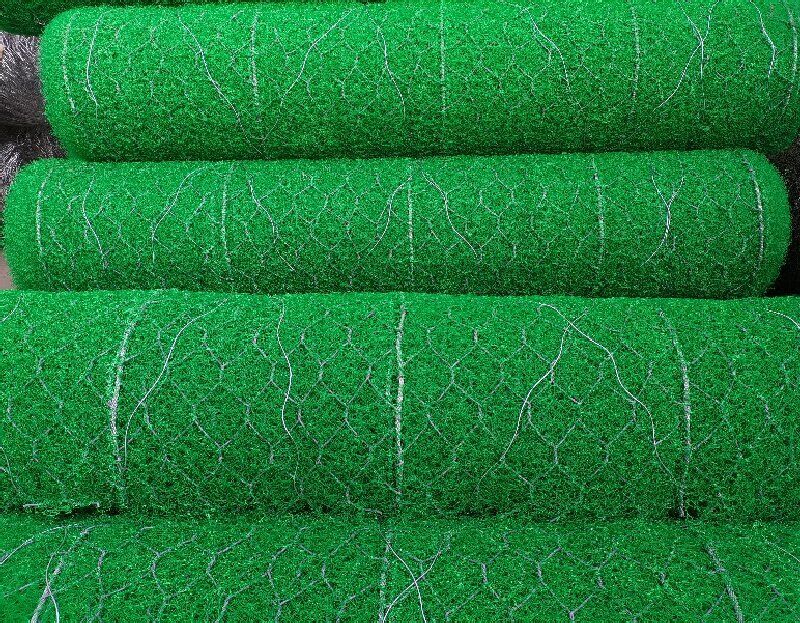
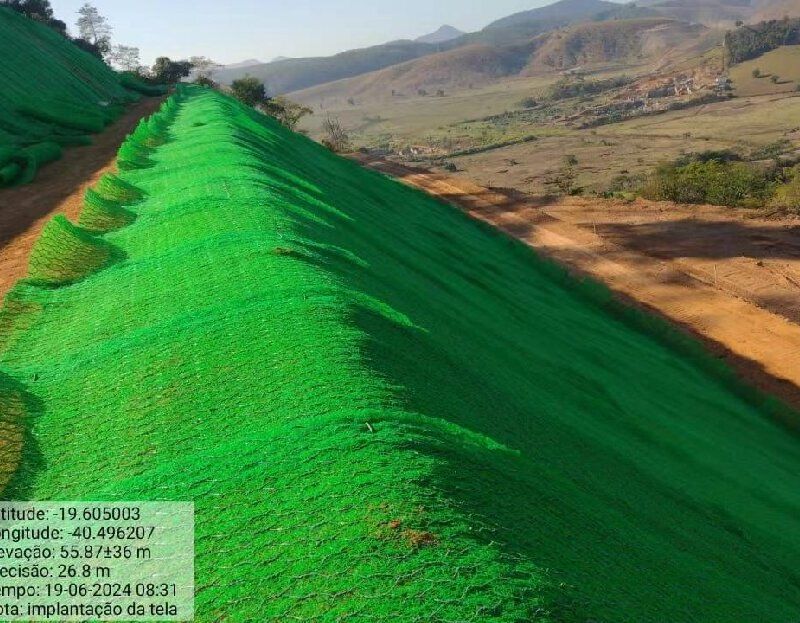
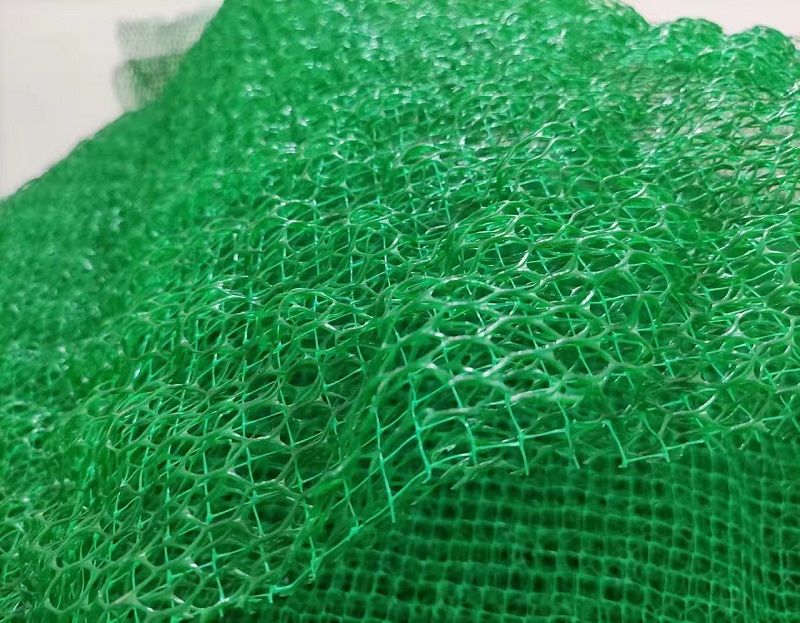 3D Geomat Erosion Control Blanket
The 3D Geomat Erosion Control Blanket is a specialized geosynthetic material designed to prevent soil erosion and stabilize slopes in civil engineering and environmental projects. It is constructed with a three-dimensional structure that provides enhanced performance in erosion control.
3D Geomat Erosion Control Blanket
The 3D Geomat Erosion Control Blanket is a specialized geosynthetic material designed to prevent soil erosion and stabilize slopes in civil engineering and environmental projects. It is constructed with a three-dimensional structure that provides enhanced performance in erosion control.
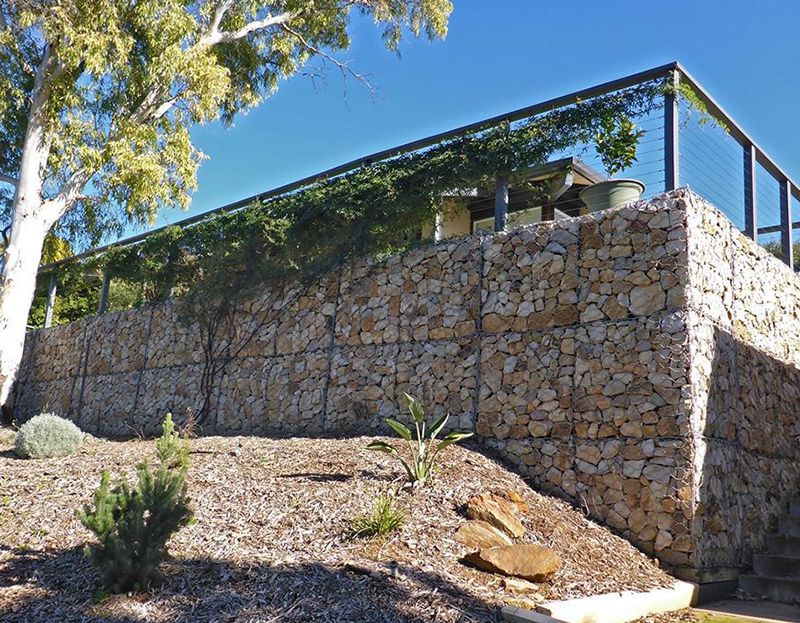
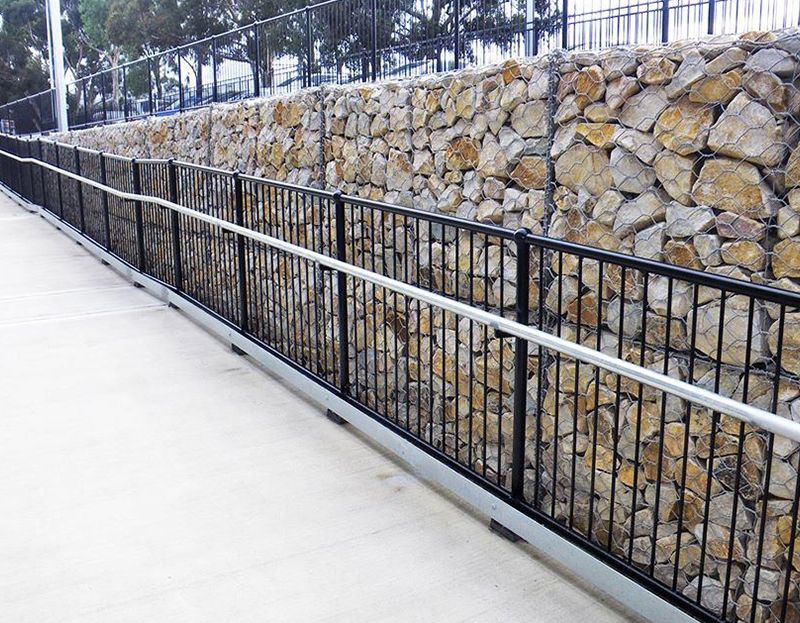
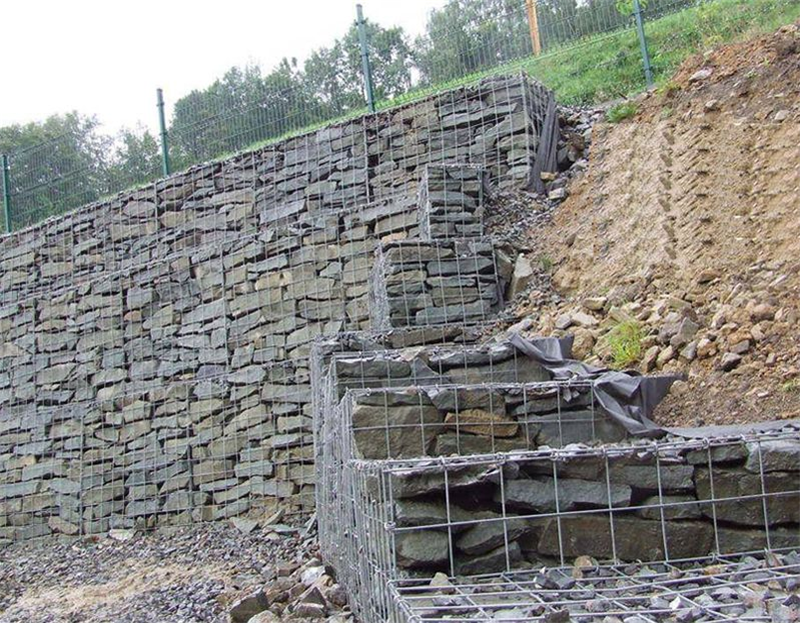 Gabion
 big pros are they’re economic, they have little to no maintenance, they’re easy to install and they can be created fairly quickly,and they are very long lasting.
Gabion
Gabion big pros are they’re economic, they have little to no maintenance, they’re easy to install and they can be created fairly quickly,and they are very long lasting.
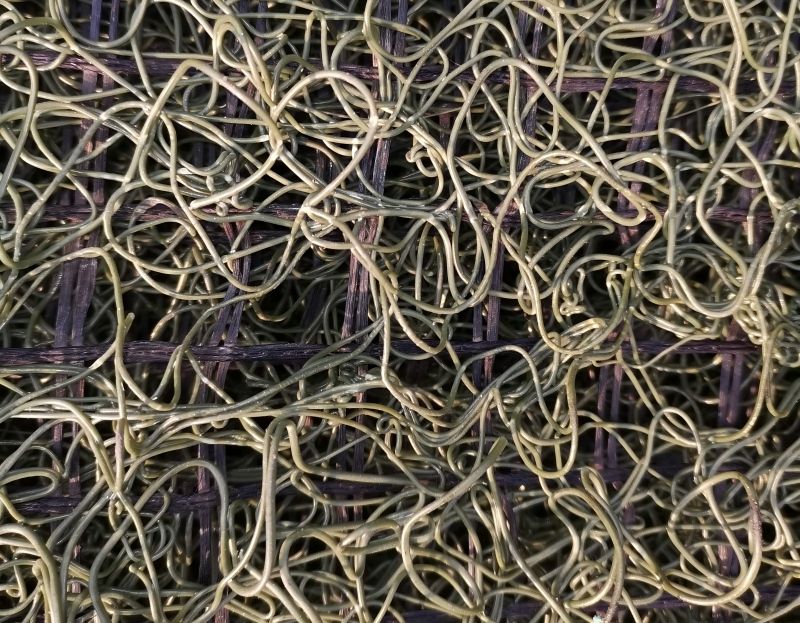
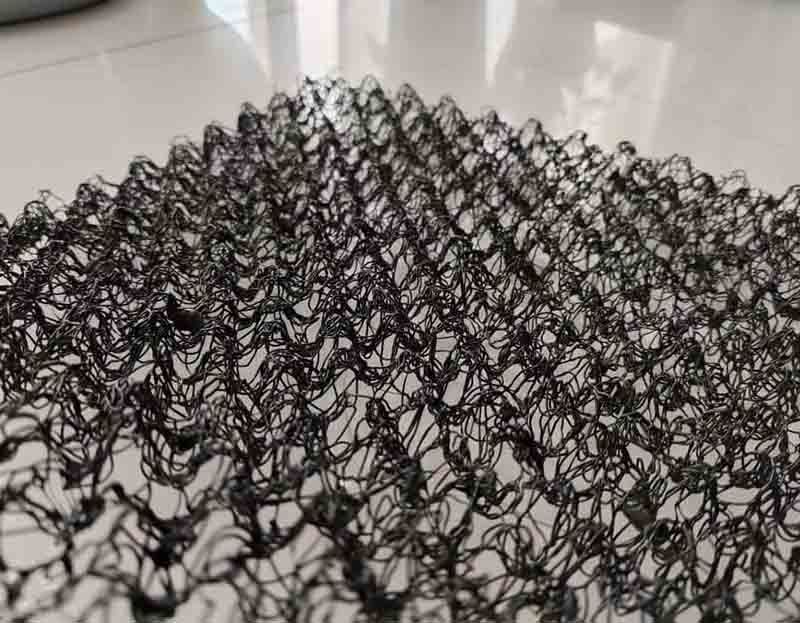 3D GeoMat
3D GEOMAT(Soil and water conservation blanket)
3D Geomat are used to provide permanent reinforcement to the grass root matrix for permanent surface erosion protection.
3D Geomat Erosion Control Blanket
The 3D Geomat Erosion Control Blanket is a specialized geosynthetic material designed to prevent soil erosion and stabilize slopes in civil engineering and environmental projects. It is constructed with a three-dimensional structure that provides enhanced performance in erosion control.
3D GeoMat
3D GEOMAT(Soil and water conservation blanket)
3D Geomat are used to provide permanent reinforcement to the grass root matrix for permanent surface erosion protection.
3D Geomat Erosion Control Blanket
The 3D Geomat Erosion Control Blanket is a specialized geosynthetic material designed to prevent soil erosion and stabilize slopes in civil engineering and environmental projects. It is constructed with a three-dimensional structure that provides enhanced performance in erosion control.

MainProducts: Gabion Baskets for Sale, Gabions Supplier, Gabion Mattress manufacturer, Gabion Baskets Manufacturer, Welded Gabion, Custom Gabion Baskets, Gabion Landscaping, Crimped Mesh, Aluminum I Bar Grating, Slope Protection Gabion Mesh
Keywords: Road Mesh, Gabion Basket, Gabion Wall, Bastion Barrier Wall, Gabion Retaining Wall, Gabion Box

 EN
EN