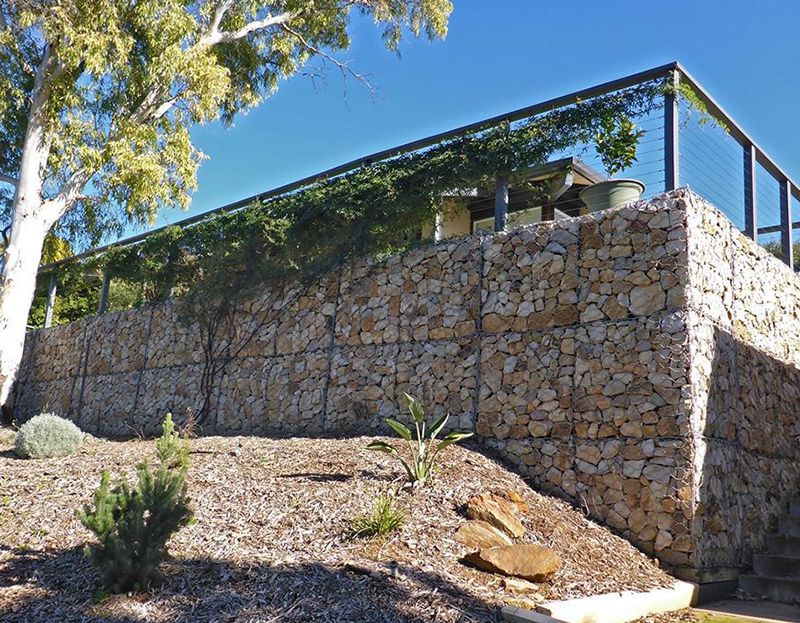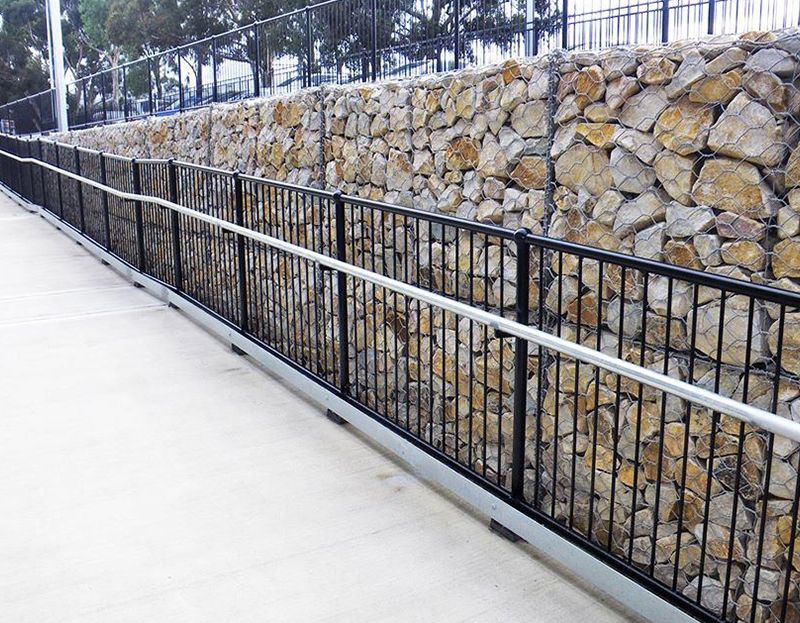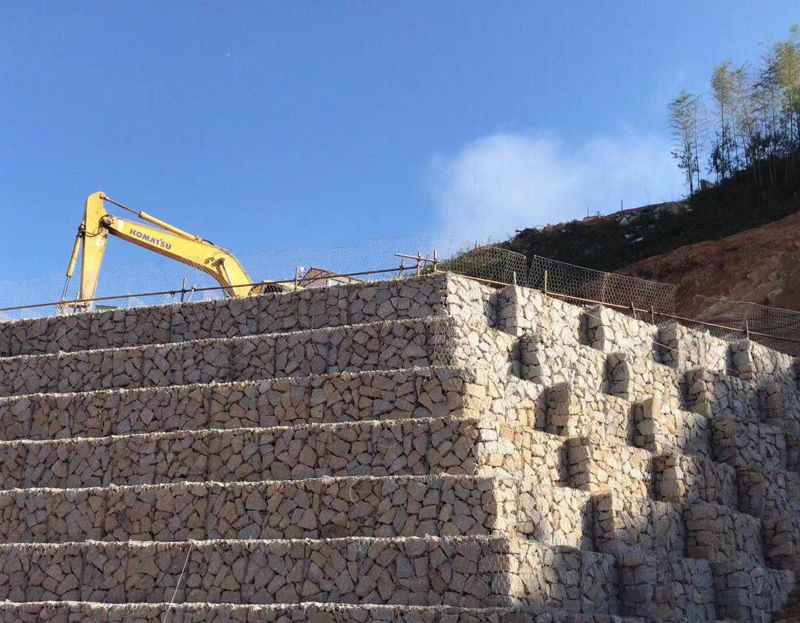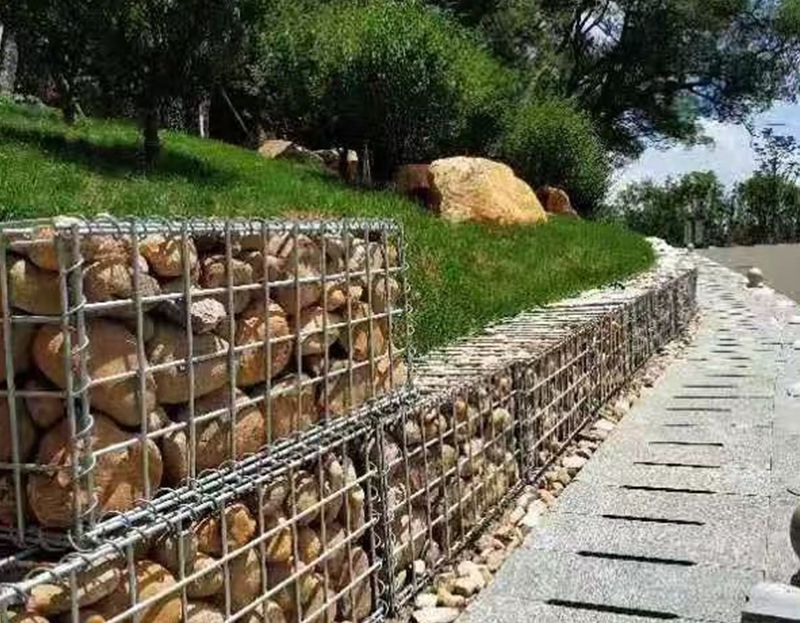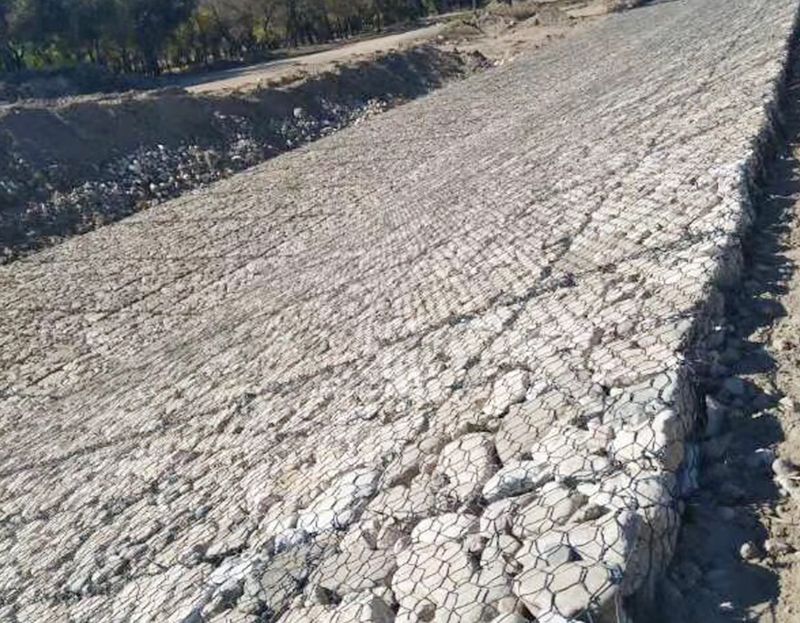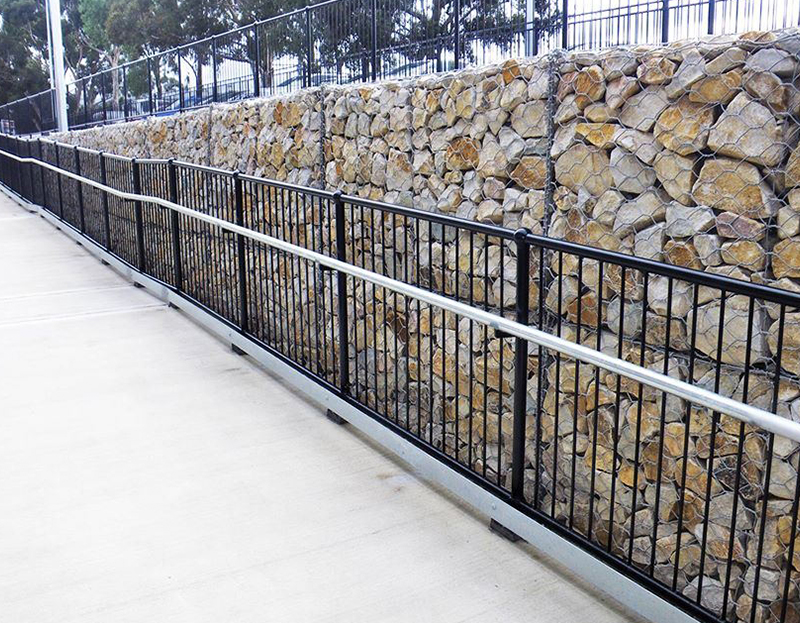
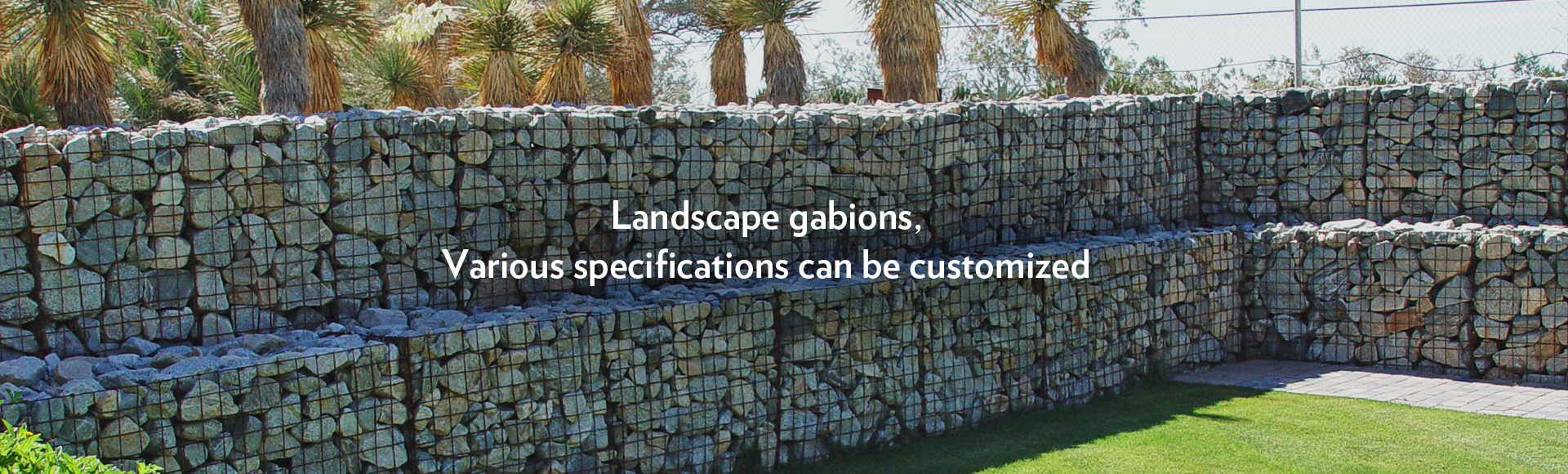
Gabions are wire mesh cages filled with stones or other materials that are used for erosion control, river bank stabilization, and landscaping.
Concrete solutions involve the use of solid materials poured into forms to create barriers that protect riverbanks from erosion and flooding.
Gabions can last decades with minimal maintenance, while concrete structures may require periodic repairs due to cracking and environmental wear.
| Parameter | Gabion | Concrete |
|---|---|---|
| Initial Cost | Lower | Higher |
| Maintenance | Low | Moderate to High |
| Environmental Impact | Natural materials | Synthetic additives |
| Installation Time | Quick | Long |
| Flexibility | High | Low |
Gabions effectively adapt to shifting riverbanks, while concrete may crack under sudden pressure changes caused by water flow.
Gabions perform well in both flood-prone and dry environments due to their adaptability; concrete is better in static conditions.
Ideal for eco-conscious projects, small-scale installations, and areas with frequent soil movement.
Best suited for large infrastructure projects, where durability is paramount and environmental impact is less of a concern.
In conclusion, both Gabion and concrete solutions have their distinct advantages and drawbacks. For those prioritizing environmental sustainability and flexibility, Gabions may be the superior choice. However, for long-term stability in controlled conditions, concrete may better serve infrastructure projects. For any Gabion needs, look to Zhenlu for high-quality supplies. Visit us at Zhenlu.
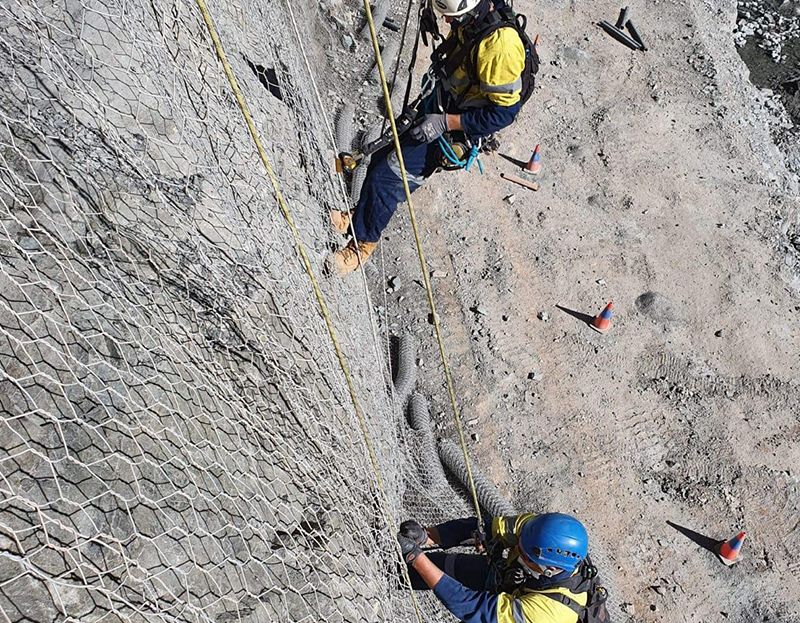
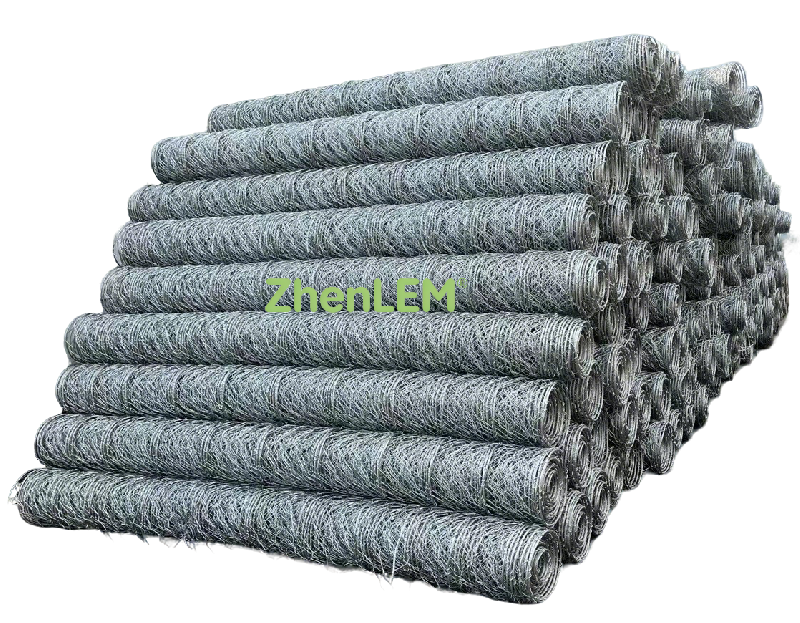 High-Strength Reinforced Rockfall Mesh
ZHUOMAO® HR High-Strength Reinforced Rockfall Mesh, designed for rockfall mitigation, slope stabilization, and surface protection in geotechnical engineering.with reliable tensile strength and impact resistance.
High-Strength Reinforced Rockfall Mesh
ZHUOMAO® HR High-Strength Reinforced Rockfall Mesh, designed for rockfall mitigation, slope stabilization, and surface protection in geotechnical engineering.with reliable tensile strength and impact resistance.
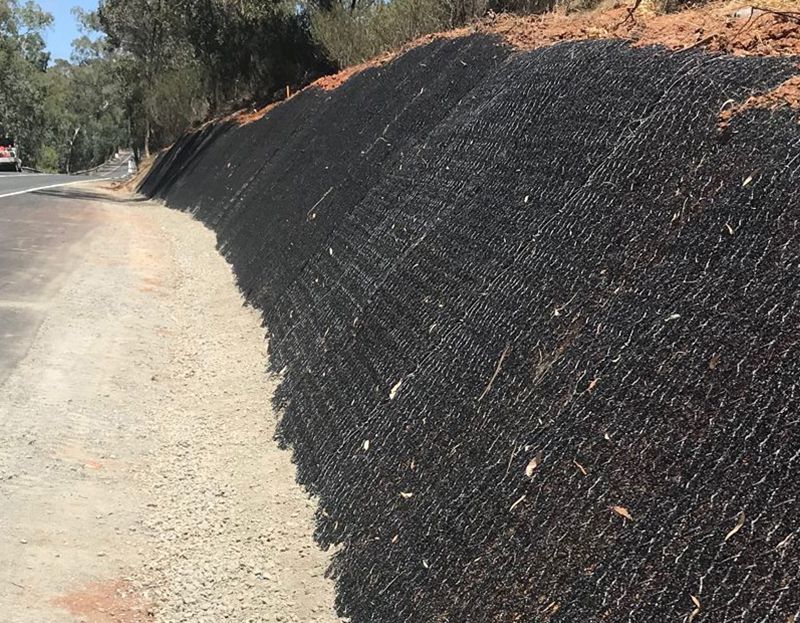
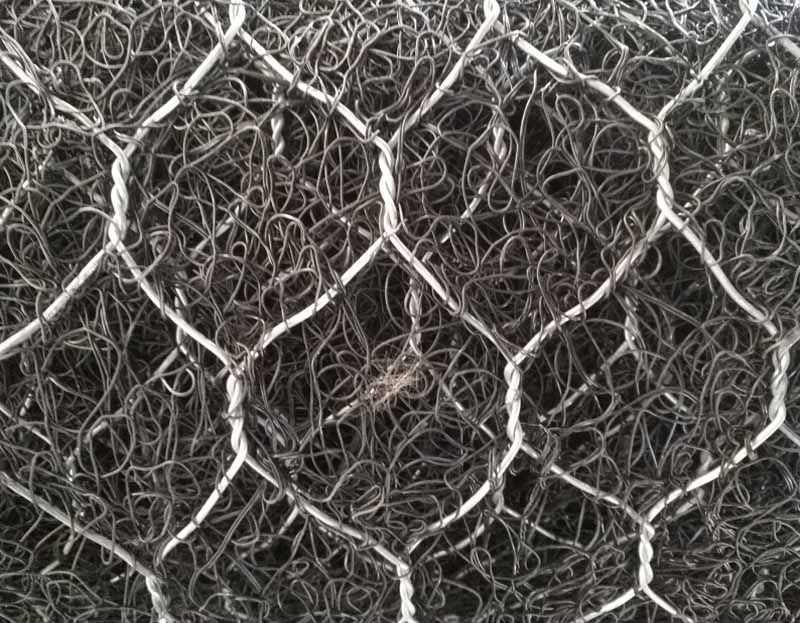
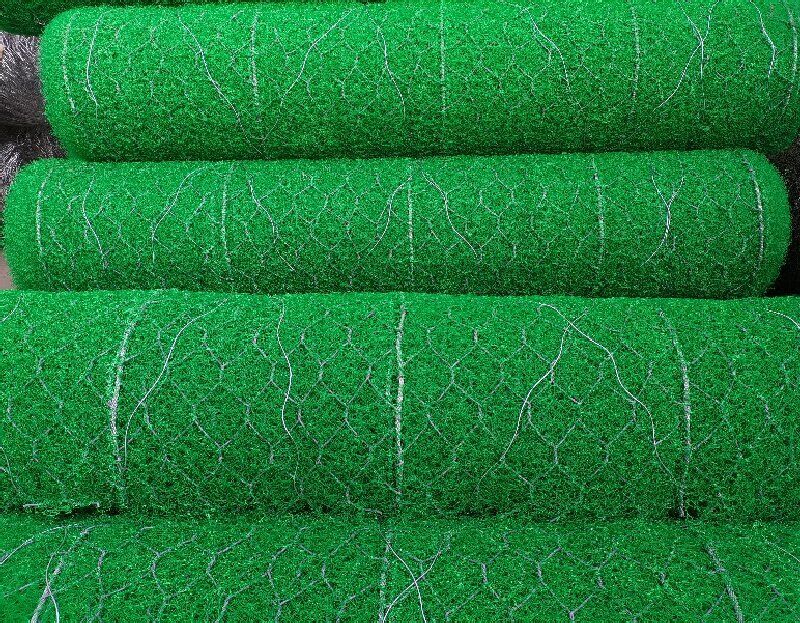
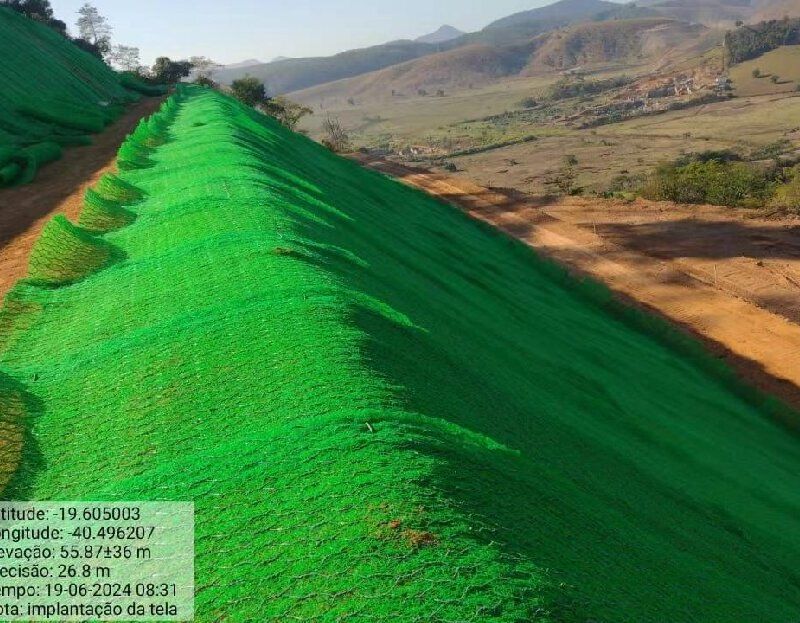
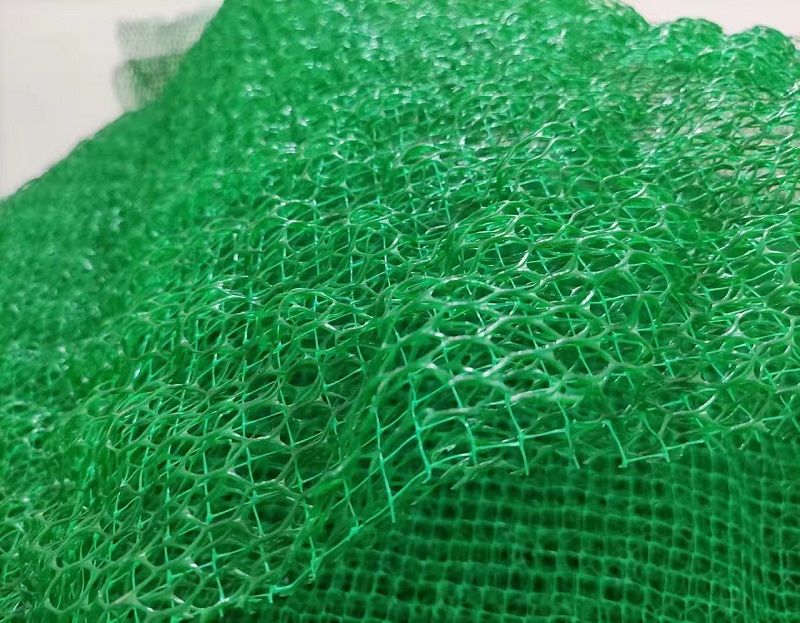 3D Geomat Erosion Control Blanket
The 3D Geomat Erosion Control Blanket is a specialized geosynthetic material designed to prevent soil erosion and stabilize slopes in civil engineering and environmental projects. It is constructed with a three-dimensional structure that provides enhanced performance in erosion control.
3D Geomat Erosion Control Blanket
The 3D Geomat Erosion Control Blanket is a specialized geosynthetic material designed to prevent soil erosion and stabilize slopes in civil engineering and environmental projects. It is constructed with a three-dimensional structure that provides enhanced performance in erosion control.
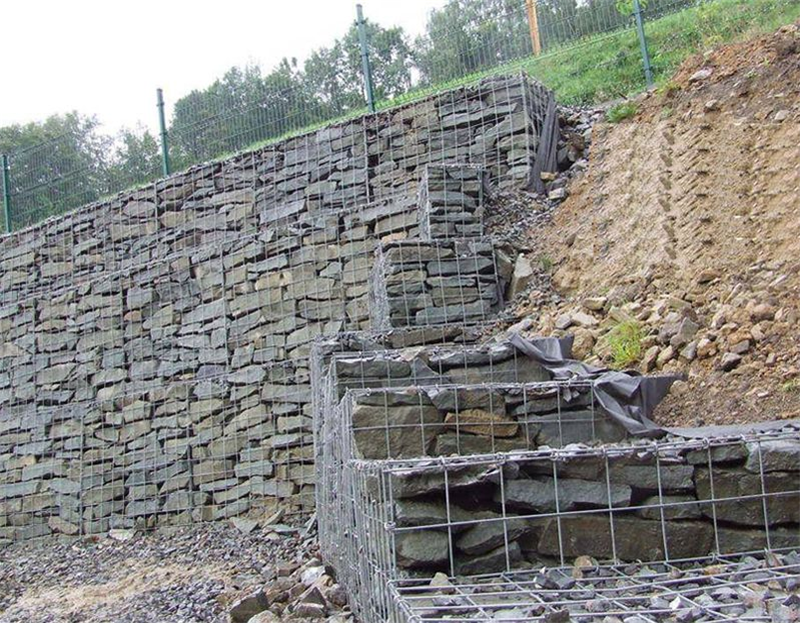 Gabion
 big pros are they’re economic, they have little to no maintenance, they’re easy to install and they can be created fairly quickly,and they are very long lasting.
Gabion
Gabion big pros are they’re economic, they have little to no maintenance, they’re easy to install and they can be created fairly quickly,and they are very long lasting.
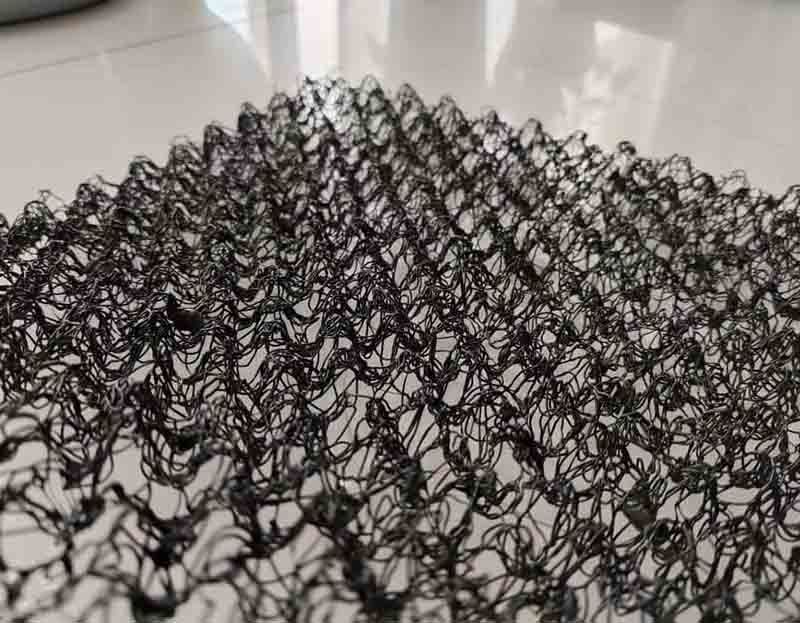 3D GeoMat
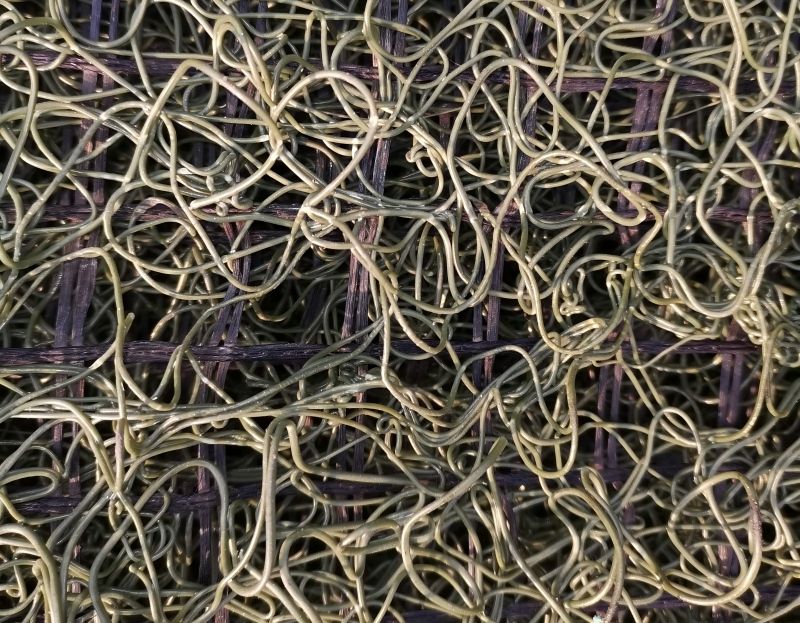
3D GEOMAT(Soil and water conservation blanket)
3D Geomat are used to provide permanent reinforcement to the grass root matrix for permanent surface erosion protection.
3D Geomat Erosion Control Blanket
The 3D Geomat Erosion Control Blanket is a specialized geosynthetic material designed to prevent soil erosion and stabilize slopes in civil engineering and environmental projects. It is constructed with a three-dimensional structure that provides enhanced performance in erosion control.
3D GeoMat
3D GEOMAT(Soil and water conservation blanket)
3D Geomat are used to provide permanent reinforcement to the grass root matrix for permanent surface erosion protection.
3D Geomat Erosion Control Blanket
The 3D Geomat Erosion Control Blanket is a specialized geosynthetic material designed to prevent soil erosion and stabilize slopes in civil engineering and environmental projects. It is constructed with a three-dimensional structure that provides enhanced performance in erosion control.

MainProducts: Gabion Baskets for Sale, Gabions Supplier, Gabion Mattress manufacturer, Gabion Baskets Manufacturer, Welded Gabion, Custom Gabion Baskets, Gabion Landscaping, Crimped Mesh, Aluminum I Bar Grating, Slope Protection Gabion Mesh
Keywords: Road Mesh, Gabion Basket, Gabion Wall, Bastion Barrier Wall, Gabion Retaining Wall, Gabion Box

 EN
EN