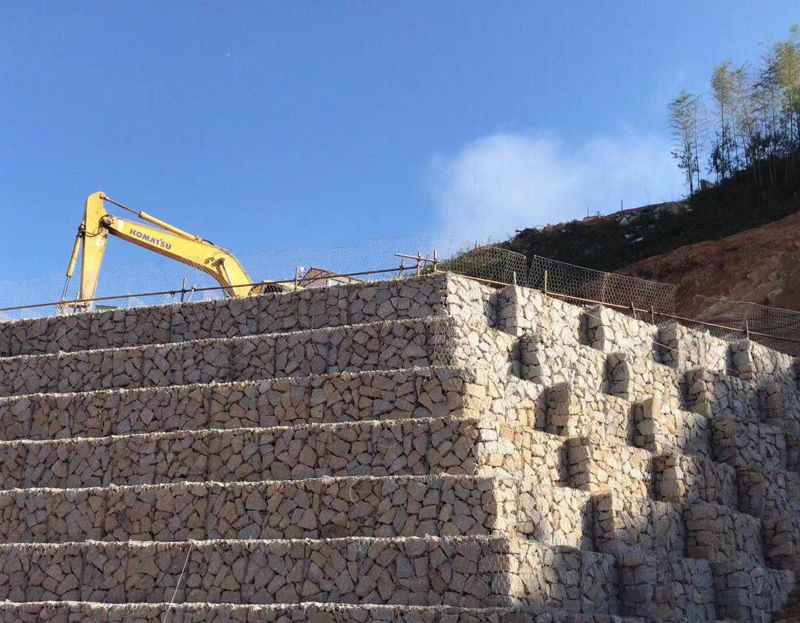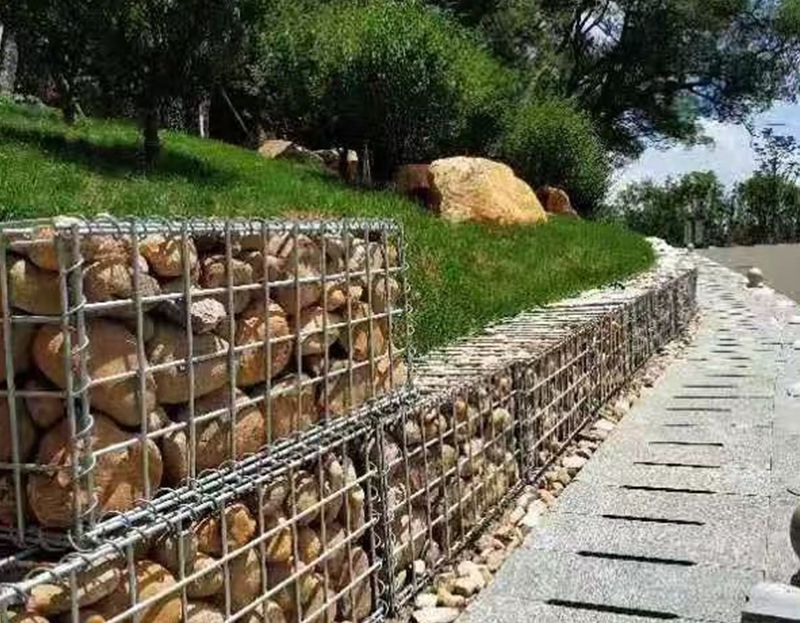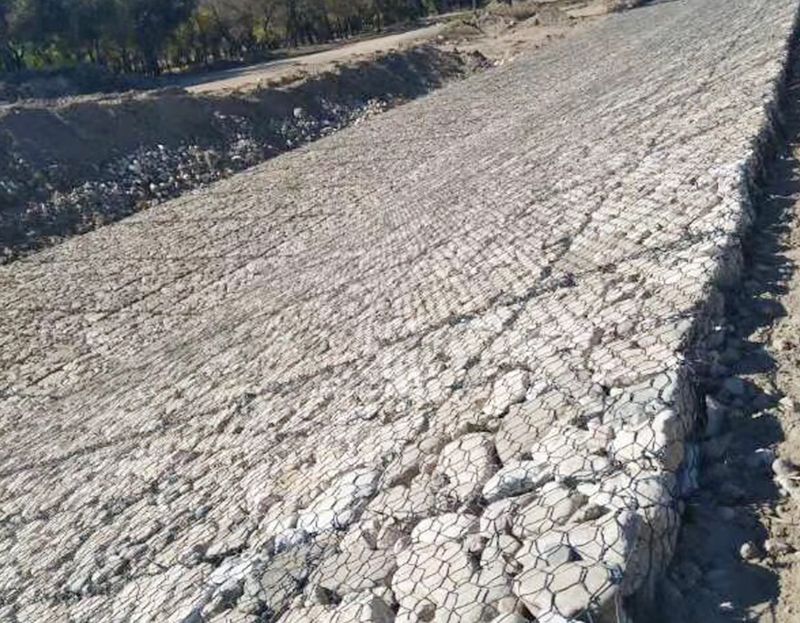
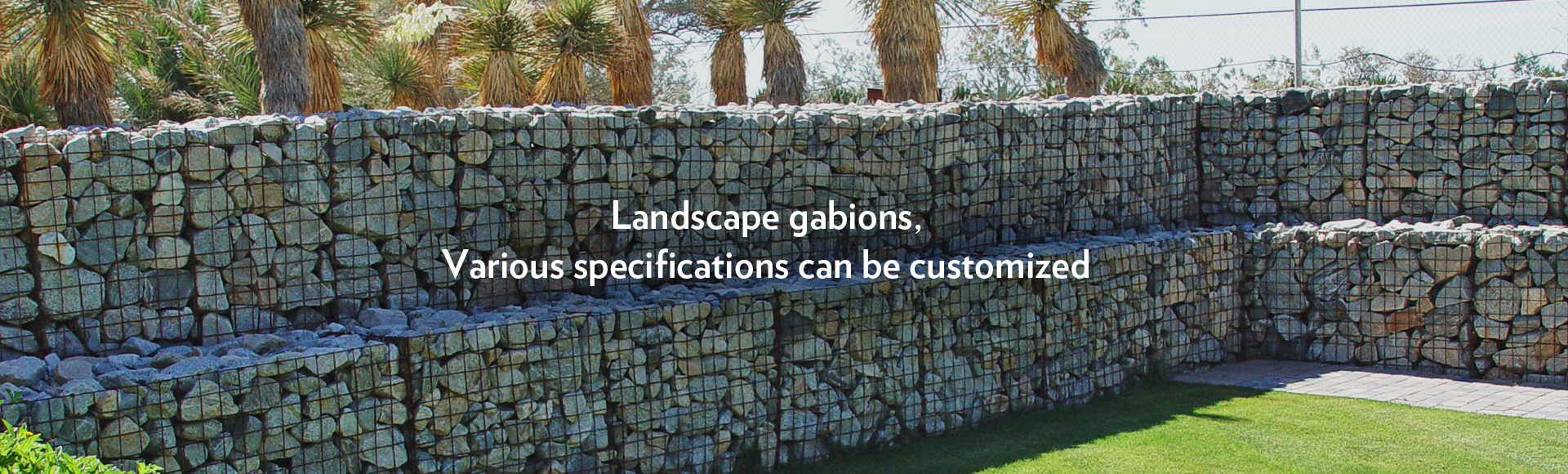
Gabion systems, constructed from wire mesh filled with rocks or other materials, are increasingly recognized for their sustainability compared to traditional concrete walls. These modular structures not only provide effective erosion control and flood prevention but also offer eco-friendly alternatives that lower the carbon footprint of construction projects. Businesses seeking innovative solutions in infrastructure can significantly benefit from adopting gabion systems, leading to both environmental and economic advantages.
The concept of gabion systems dates back to ancient times, with uses in military fortifications and your applications such as riverbank stabilization. Historically, these structures have served essential roles in civil engineering, gradually evolving to meet modern environmental concerns. Today, as more industries recognize the importance of sustainable building practices, gabion systems have gained traction as a viable method for achieving both functionality and ecological responsibility.
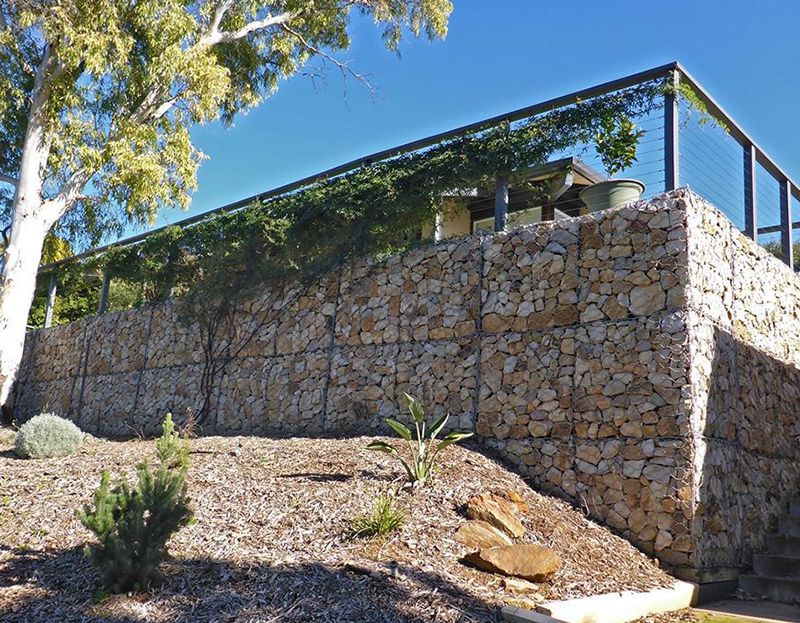
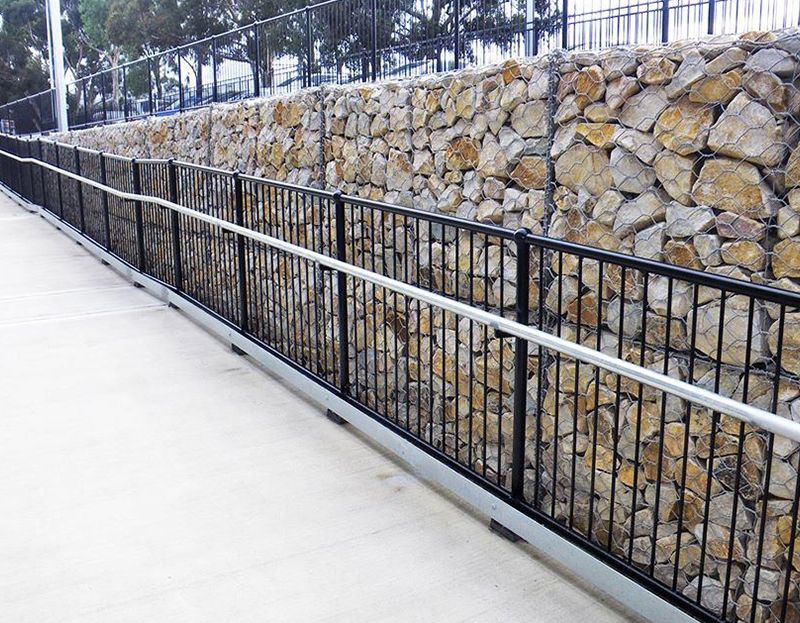
The practical applications of gabion systems are vast. They can be used in retaining walls, noise barriers, and landscaping features, offering flexibility in design without compromising structural integrity. Gabions are particularly beneficial in areas prone to flooding or soil erosion, where their permeable nature allows for natural water drainage, reducing the risk of damage to surrounding landscapes. In addition, these systems can be built quickly and efficiently, often requiring less resource-intensive processes than traditional concrete walls. A study by Green Building Council found that substitution of concrete with gabions can lead to reductions in carbon footprints by up to 80%, highlighting their role in sustainable construction.
Despite the clear benefits, common misconceptions about gabion systems persist. Some individuals overlook their structural stability, mistakenly believing they lack the strength of concrete walls. In reality, properly constructed gabion systems can withstand significant loads and environmental forces, thanks to the selection of quality materials and adherence to industry standards such as ASTM A975. Additionally, some may assume that gabions are purely aesthetic, but their functionality in flood control and erosion prevention is backed by empirical data.
Case studies demonstrate the effectiveness of gabion systems over traditional methods. For instance, a project in New Zealand utilized gabions to stabilize a riverbank, resulting in a 65% reduction in soil loss over a five-year period compared to conventional concrete barriers. Similarly, gabion walls installed along highways in Europe have successfully absorbed noise and reduced the impact of roadway runoff, showcasing their dual benefits of sound absorption and environmental protection.
In summary, gabion systems provide a sustainable and effective alternative to concrete walls, addressing pressing concerns of erosion and flood management while minimizing environmental impact. Their historical significance and practical advantages make them a valuable asset for various construction projects. To explore further or engage with gabion systems for your next project, consider reaching out to a reputable gabion supplier like Zhenlu, who is dedicated to delivering quality solutions in line with your sustainability goals.
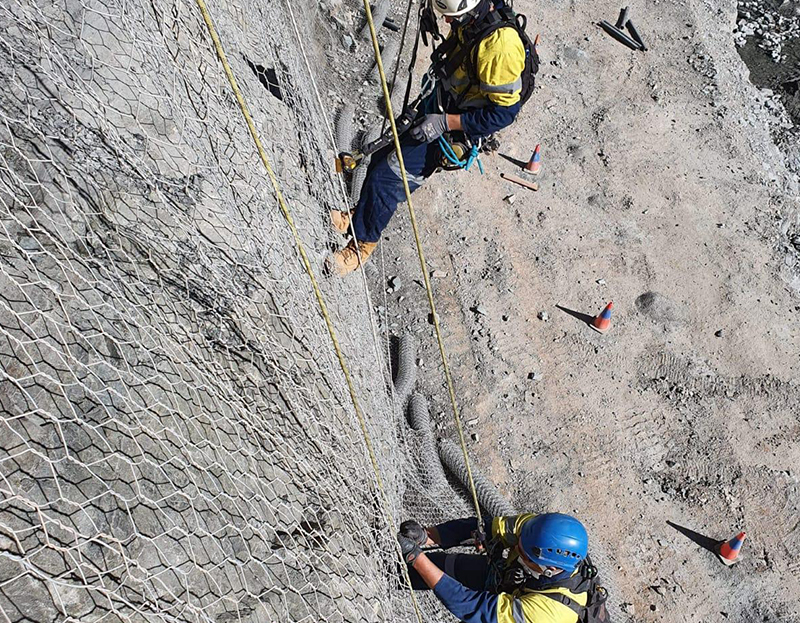
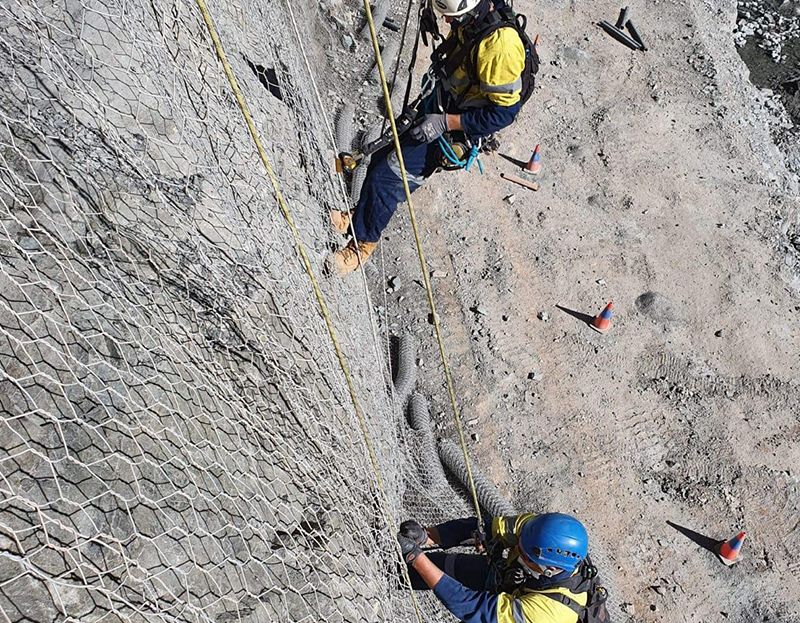
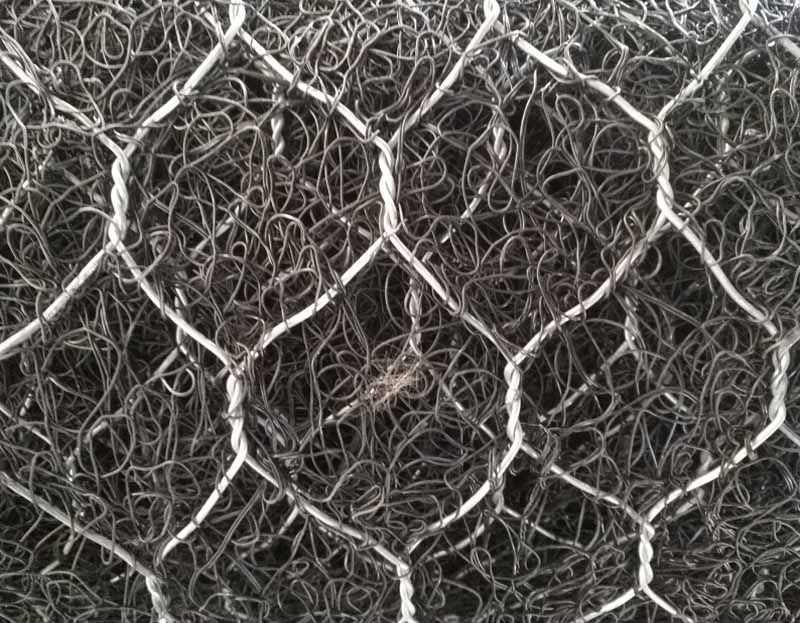
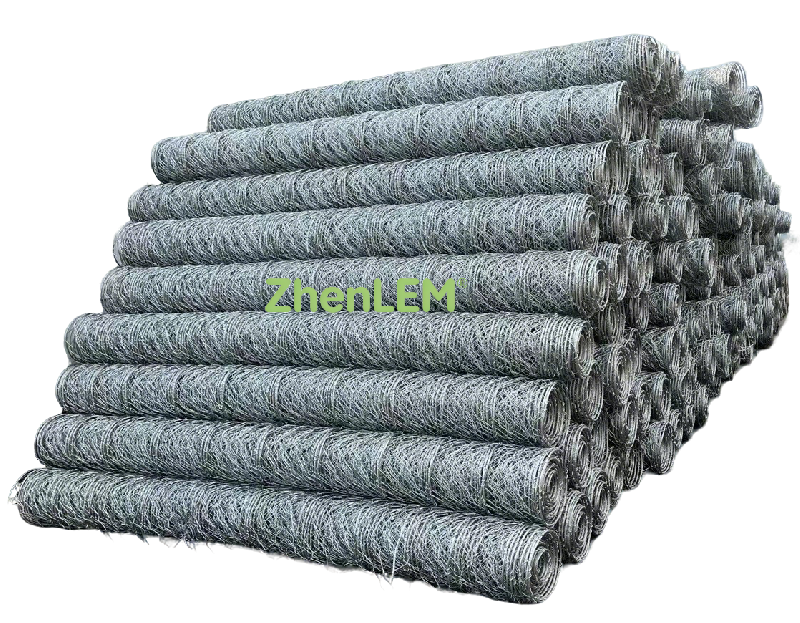 High-Strength Reinforced Rockfall Mesh
ZHUOMAO® HR High-Strength Reinforced Rockfall Mesh, designed for rockfall mitigation, slope stabilization, and surface protection in geotechnical engineering.with reliable tensile strength and impact resistance.
High-Strength Reinforced Rockfall Mesh
ZHUOMAO® HR High-Strength Reinforced Rockfall Mesh, designed for rockfall mitigation, slope stabilization, and surface protection in geotechnical engineering.with reliable tensile strength and impact resistance.
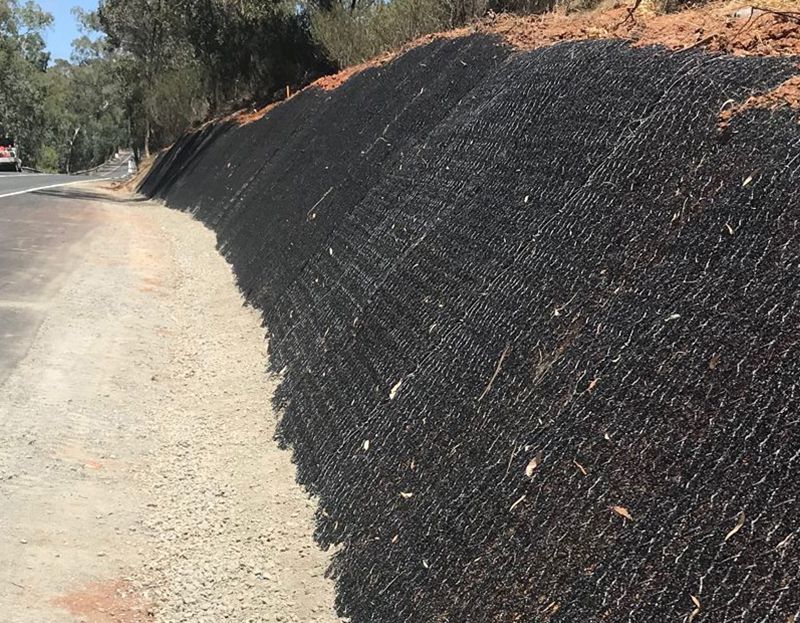
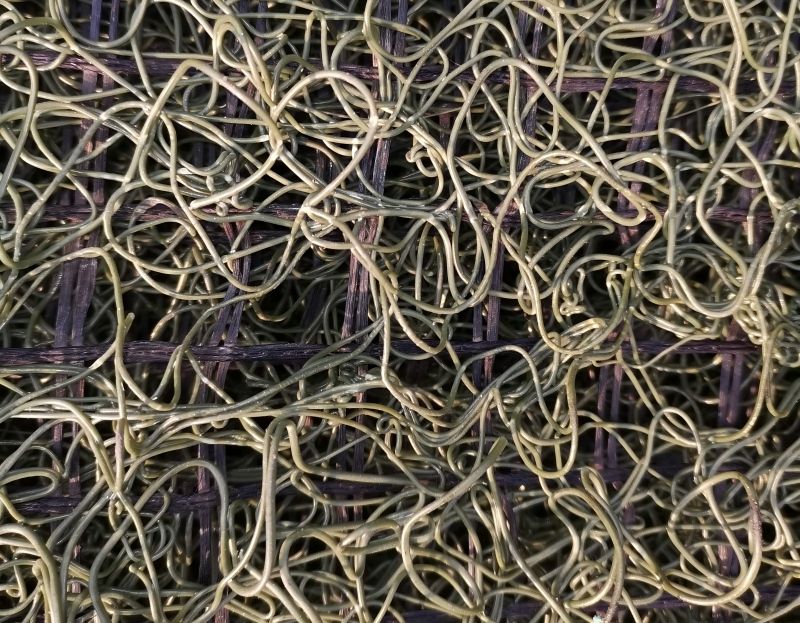
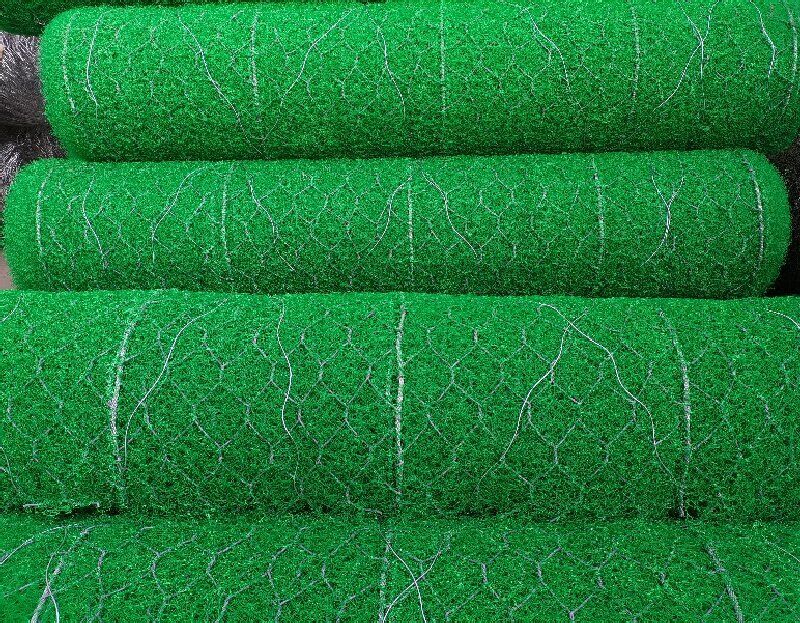
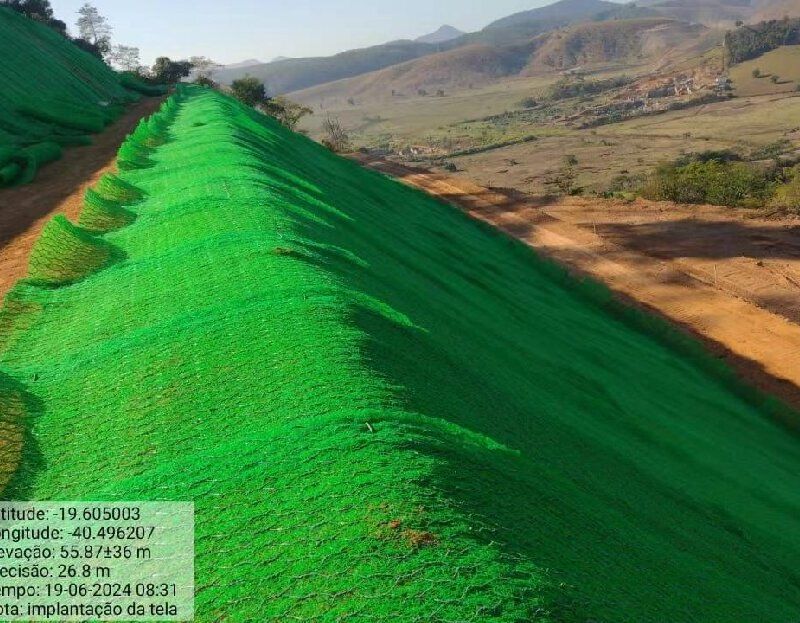
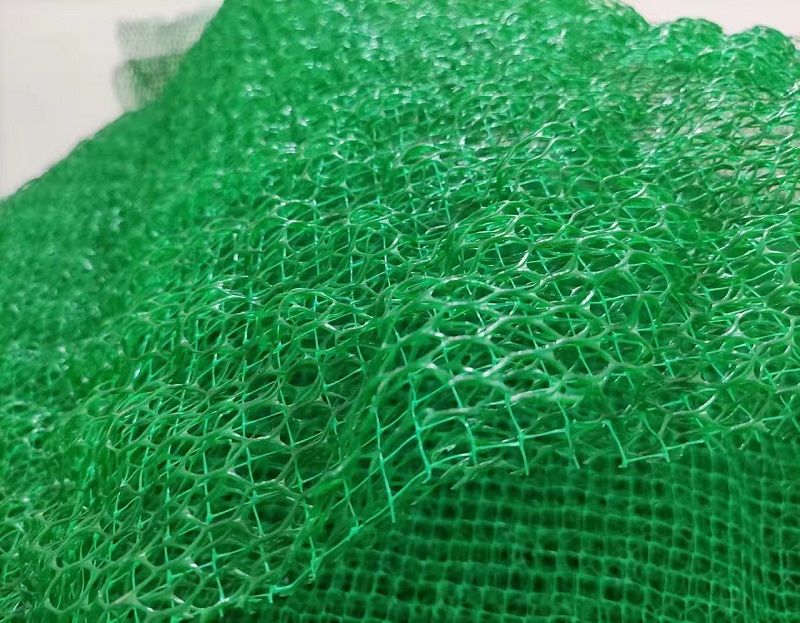 3D Geomat Erosion Control Blanket
The 3D Geomat Erosion Control Blanket is a specialized geosynthetic material designed to prevent soil erosion and stabilize slopes in civil engineering and environmental projects. It is constructed with a three-dimensional structure that provides enhanced performance in erosion control.
3D Geomat Erosion Control Blanket
The 3D Geomat Erosion Control Blanket is a specialized geosynthetic material designed to prevent soil erosion and stabilize slopes in civil engineering and environmental projects. It is constructed with a three-dimensional structure that provides enhanced performance in erosion control.
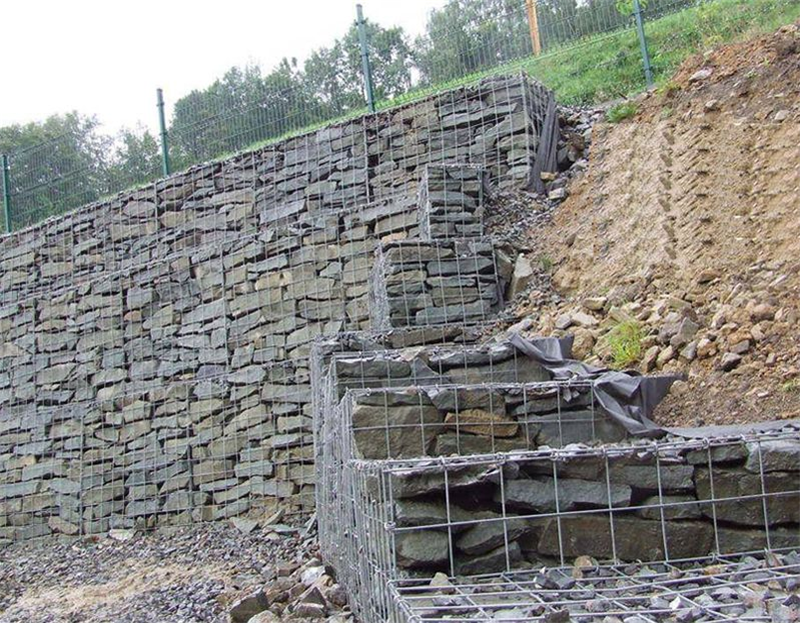 Gabion
 big pros are they’re economic, they have little to no maintenance, they’re easy to install and they can be created fairly quickly,and they are very long lasting.
Gabion
Gabion big pros are they’re economic, they have little to no maintenance, they’re easy to install and they can be created fairly quickly,and they are very long lasting.
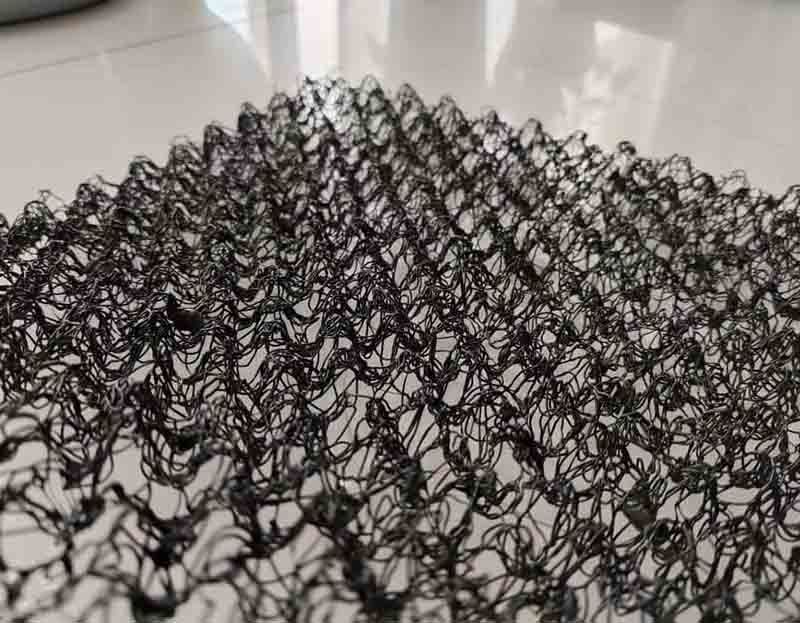 3D GeoMat
3D GEOMAT(Soil and water conservation blanket)
3D Geomat are used to provide permanent reinforcement to the grass root matrix for permanent surface erosion protection.
3D Geomat Erosion Control Blanket
The 3D Geomat Erosion Control Blanket is a specialized geosynthetic material designed to prevent soil erosion and stabilize slopes in civil engineering and environmental projects. It is constructed with a three-dimensional structure that provides enhanced performance in erosion control.
3D GeoMat
3D GEOMAT(Soil and water conservation blanket)
3D Geomat are used to provide permanent reinforcement to the grass root matrix for permanent surface erosion protection.
3D Geomat Erosion Control Blanket
The 3D Geomat Erosion Control Blanket is a specialized geosynthetic material designed to prevent soil erosion and stabilize slopes in civil engineering and environmental projects. It is constructed with a three-dimensional structure that provides enhanced performance in erosion control.

MainProducts: Gabion Baskets for Sale, Gabions Supplier, Gabion Mattress manufacturer, Gabion Baskets Manufacturer, Welded Gabion, Custom Gabion Baskets, Gabion Landscaping, Crimped Mesh, Aluminum I Bar Grating, Slope Protection Gabion Mesh
Keywords: Road Mesh, Gabion Basket, Gabion Wall, Bastion Barrier Wall, Gabion Retaining Wall, Gabion Box

 EN
EN