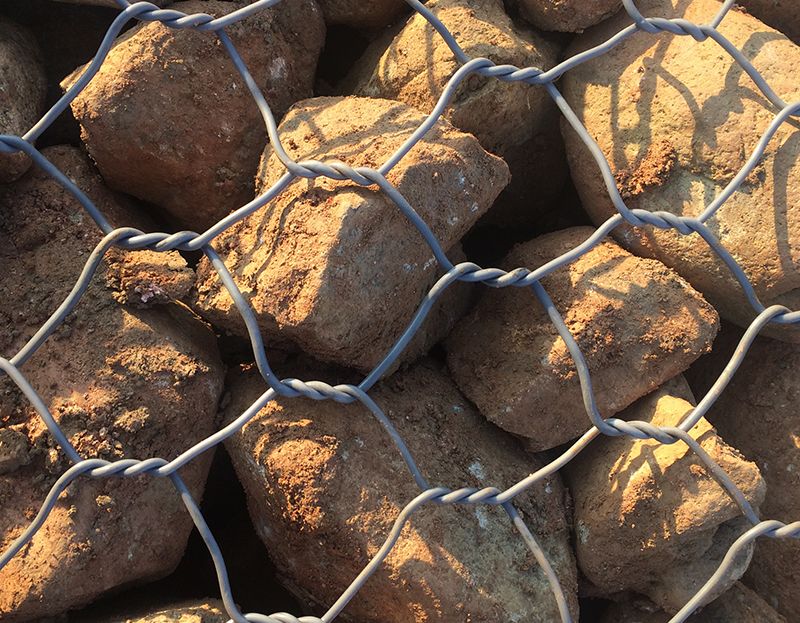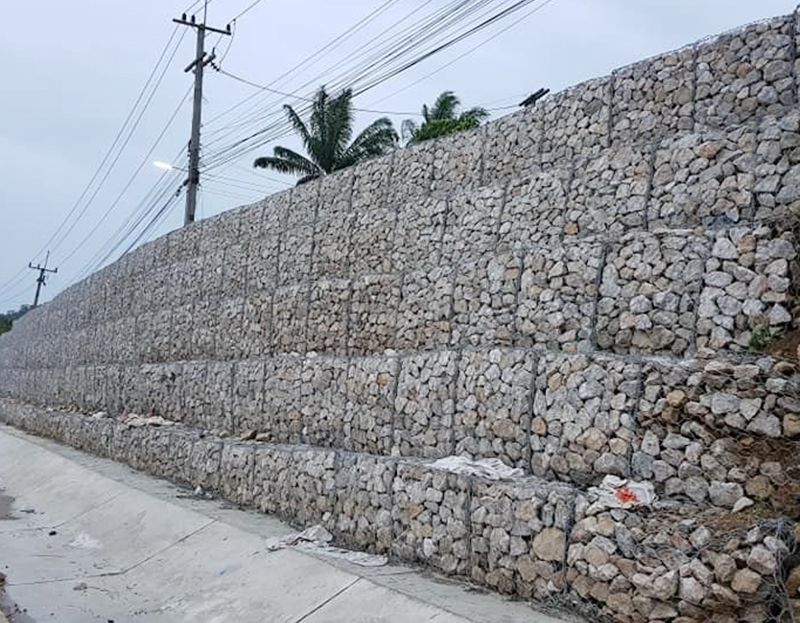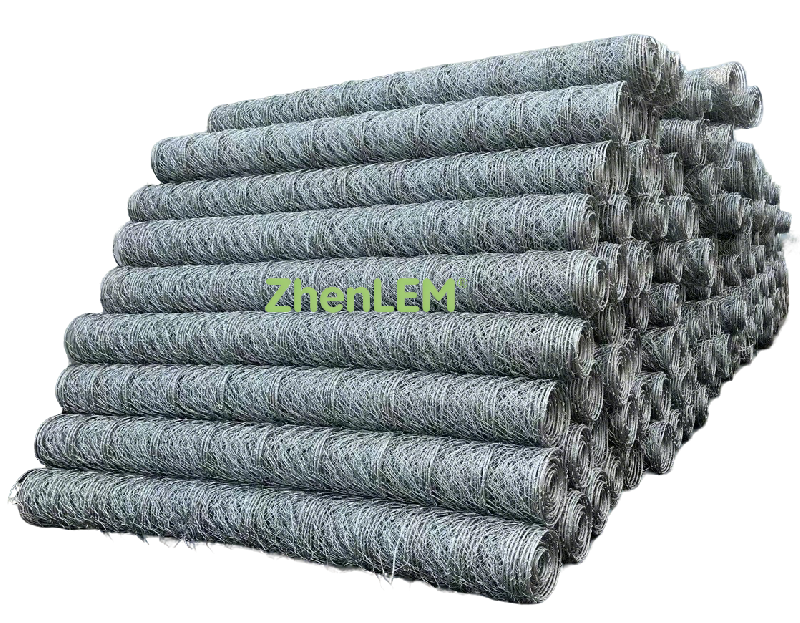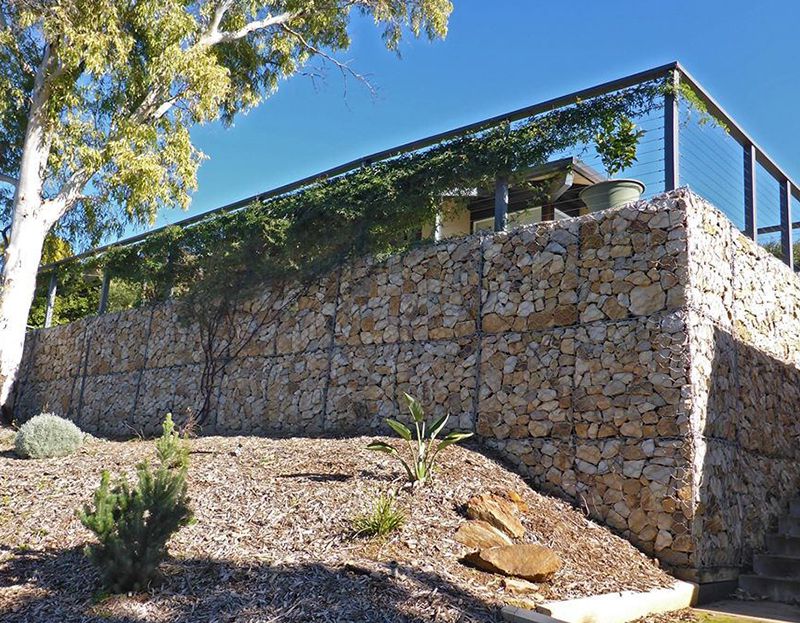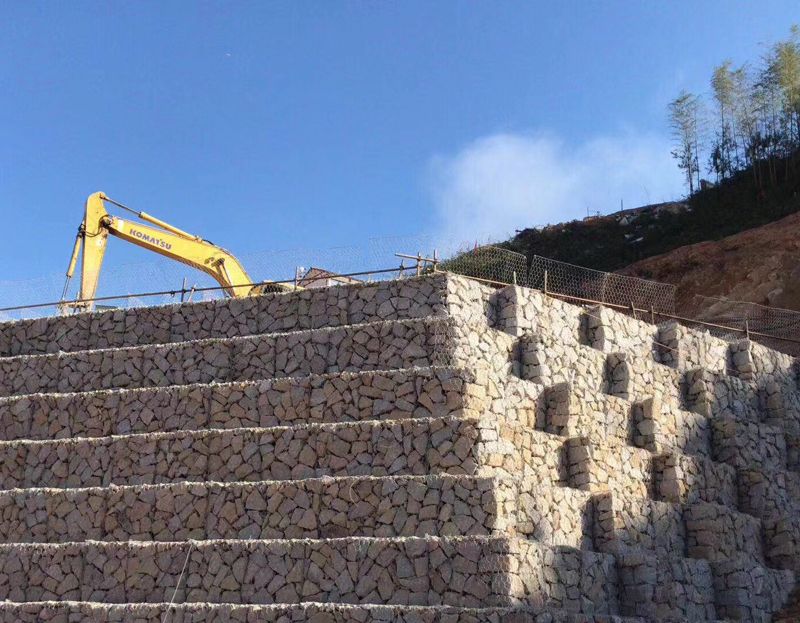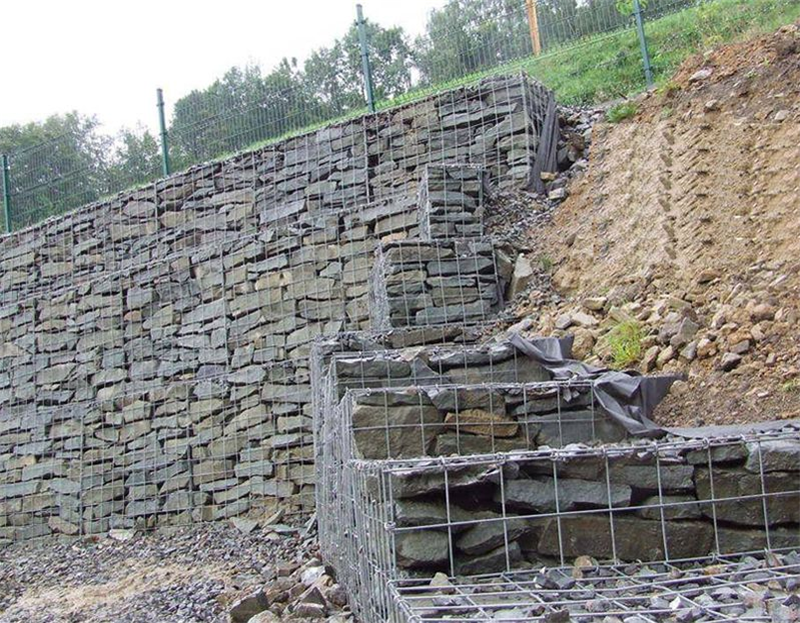
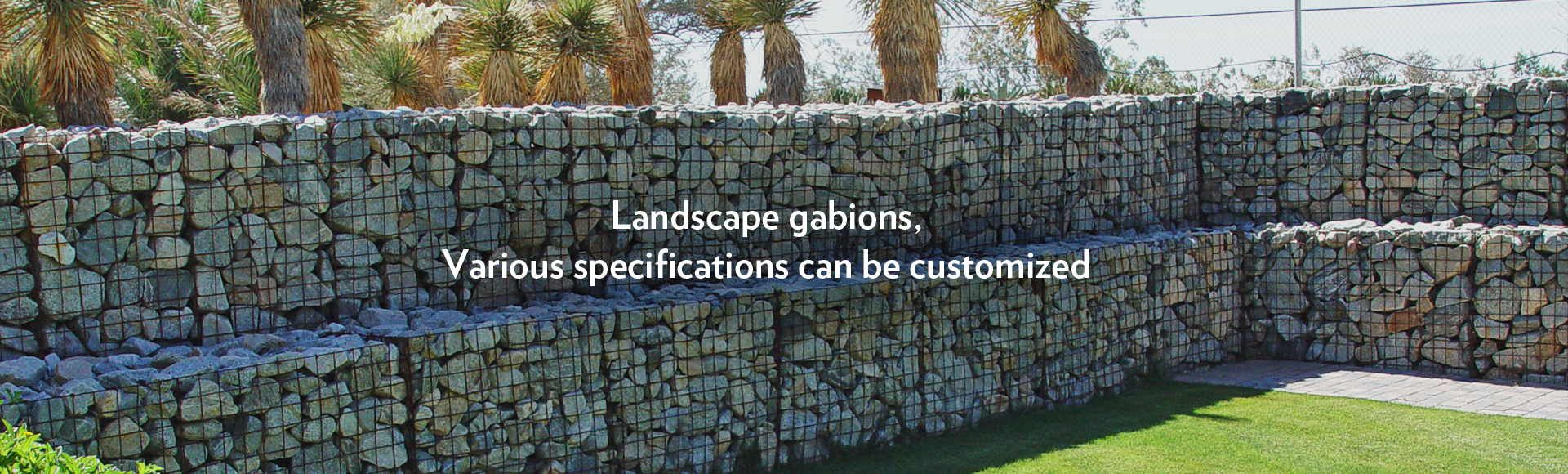
Gabion barriers are wire mesh containers filled with rock or other materials used for erosion control, flood protection, and landscaping. Their installation is significantly faster than traditional concrete solutions due to their modular construction.
While concrete barriers can take several days or weeks to set and cure, gabion barriers can generally be installed in a matter of hours to days, depending on the project size. This time efficiency can save labor costs and reduce overall project timelines.
The following tools are essential for installing gabion barriers:
Fill the assembled cages with selected stones or gravel:
Inspect the installed gabion barriers for integrity and alignment:
Failing to clear and properly level the installation site can lead to instability and unsatisfactory performance of gabion barriers.
Choosing inappropriate or weak fill materials can undermine the barrier’s purpose, leading to erosion or collapse over time.
Improperly assembling gabions can compromise their structural integrity; ensure all units are correctly secured and filled.
Gabion barriers drastically reduce installation time compared to concrete, allowing for quicker project completion.
The reduction in labor and material costs associated with gabion barriers can lead to significant savings in overall project budgets.
Gabion barriers typically have less environmental impact than concrete firms, promoting natural drainage and groundwater recharge.
Selecting a reliable gabion supplier, such as Zhenlu, ensures you receive high-quality materials vital for durability and effectiveness. Visit Zhenlu to learn more.
Look for feedback and reviews on potential suppliers, as a solid reputation often indicates better customer service and product reliability.
Ensure the supplier offers timely delivery and reliable support for installation queries to aid in your project's success.
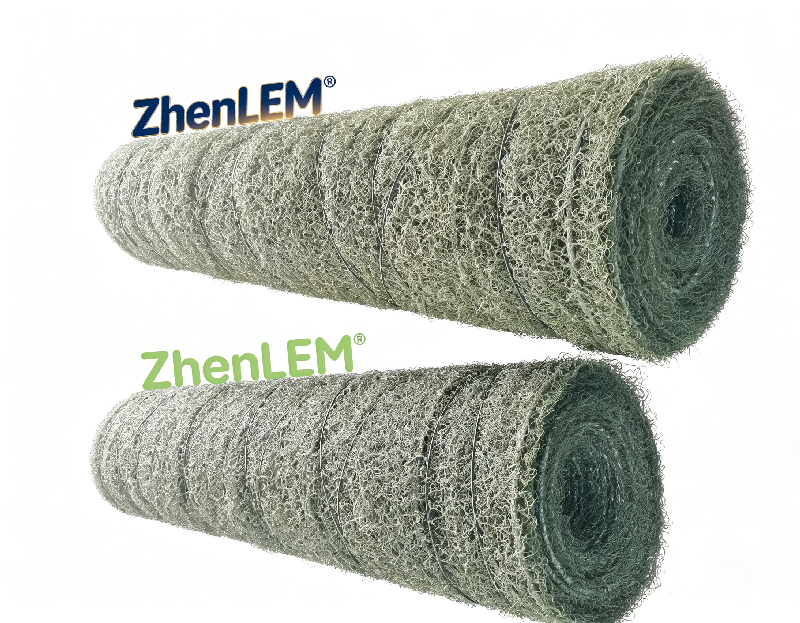 Reinforced 3D Geosynthetic Mat
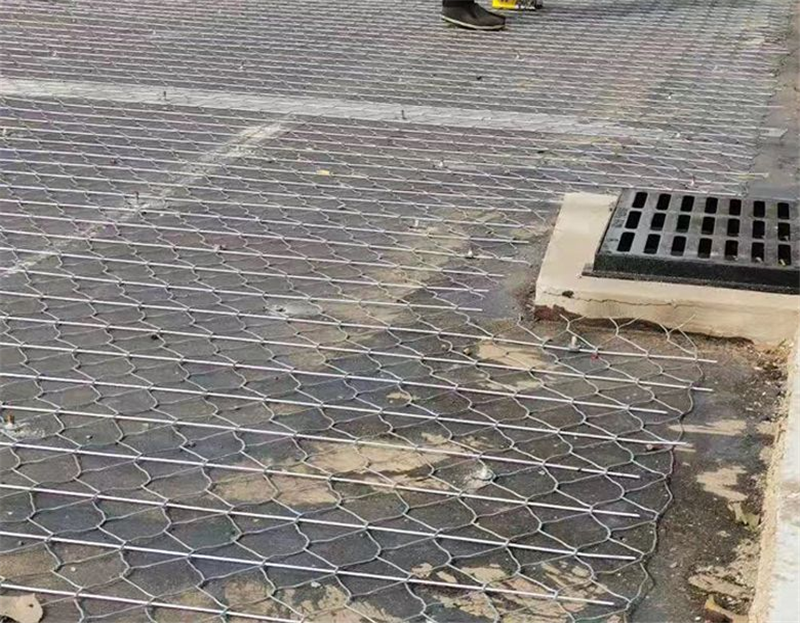
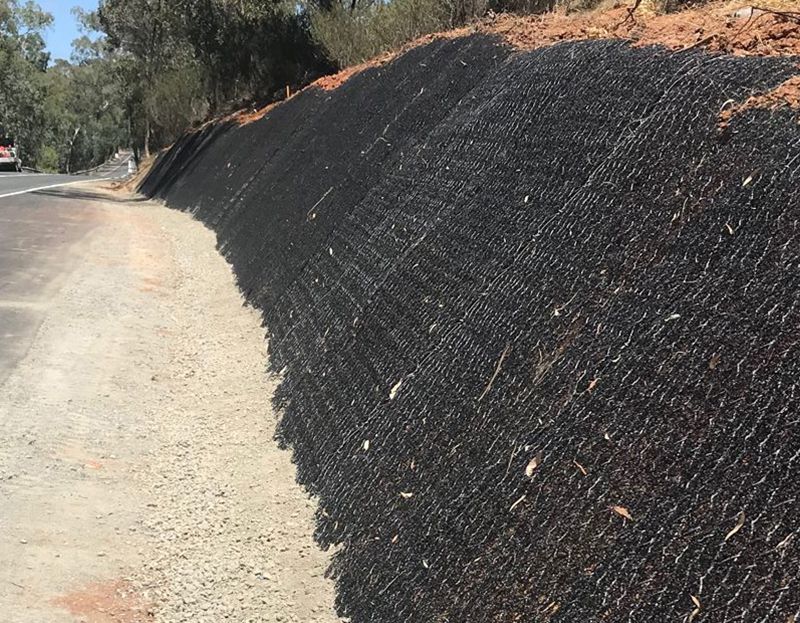
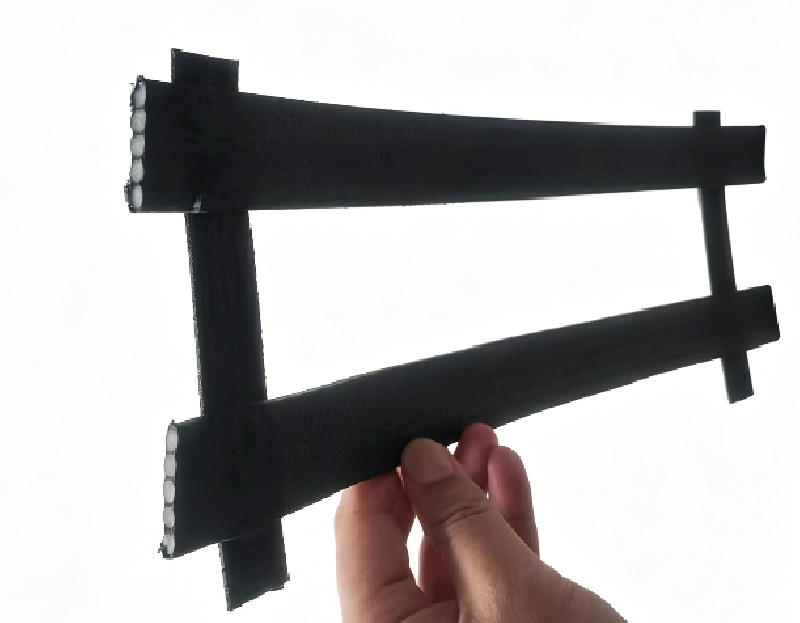
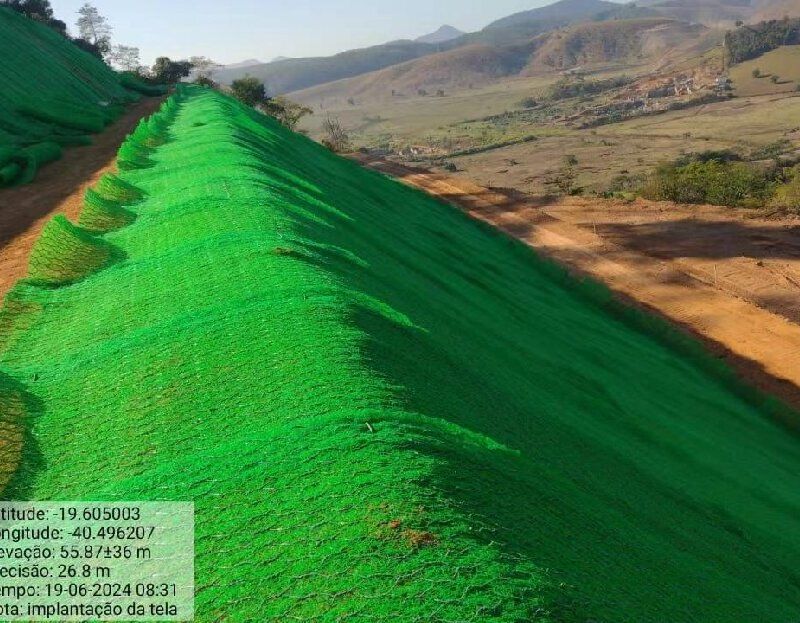
This is a ZhenLEM®-reinforced 3D geosynthetic mat, a composite structure of 3D polymeric mat and hexagonal steel wire mesh, used for erosion control and slope stabilization.
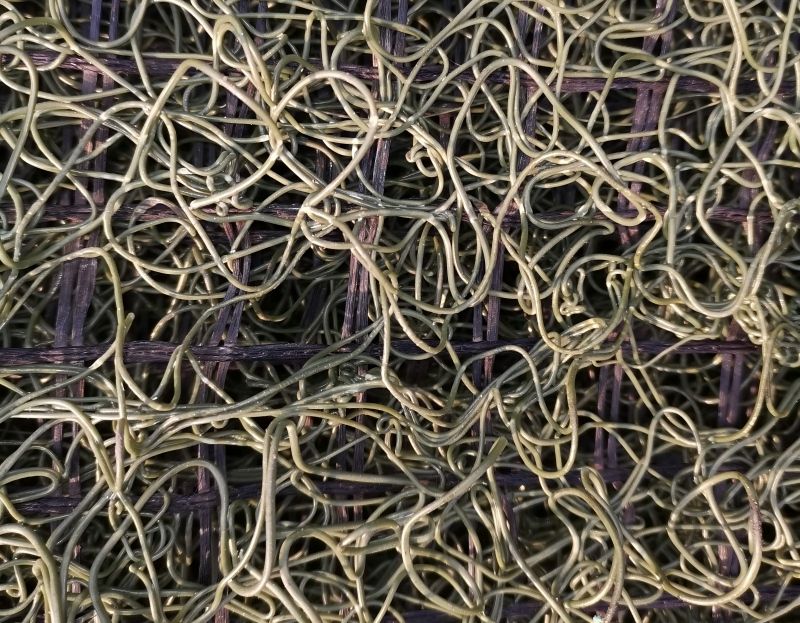 Reinforced Vegetation Mat
refers to a type of geosynthetic material that is used in civil engineering and environmental applications. Geomats are engineered to provide various functions such as soil stabilization, erosion control, and slope protection.
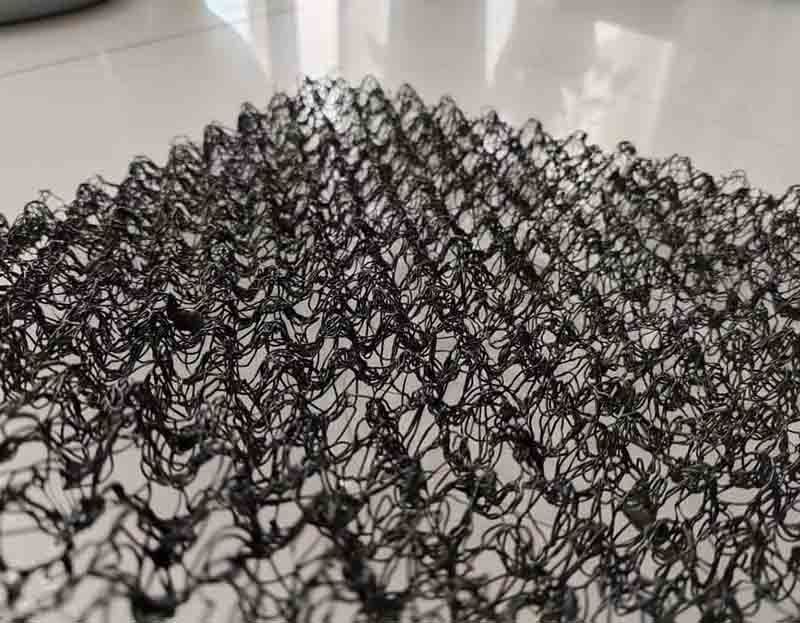 Soil and water conservation blanket
3D Soil and water conservation blanket are used to provide permanent reinforcement to the grass root matrix for permanent surface erosion protection.
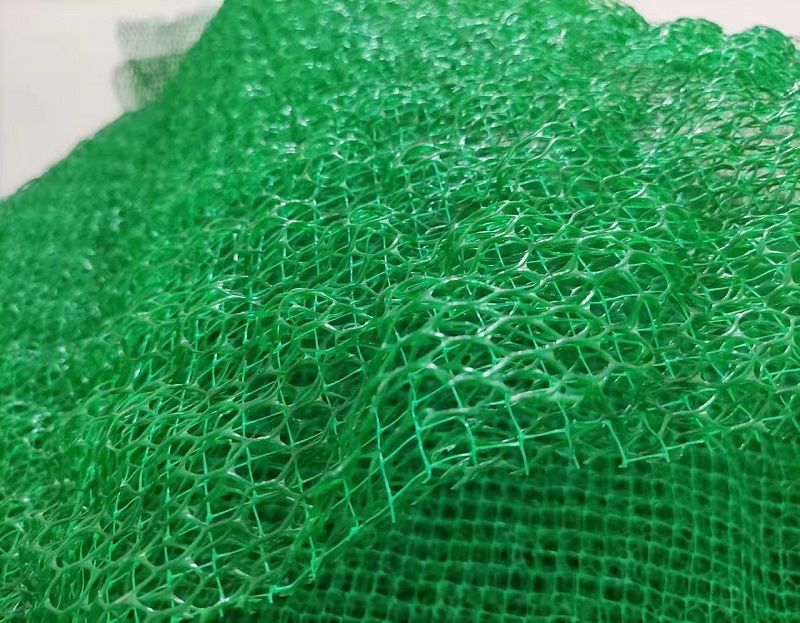 3D Geomat Erosion Control Blanket
The 3D Geomat Erosion Control Blanket is a specialized geosynthetic material designed to prevent soil erosion and stabilize slopes in civil engineering and environmental projects. It is constructed with a three-dimensional structure that provides enhanced performance in erosion control.
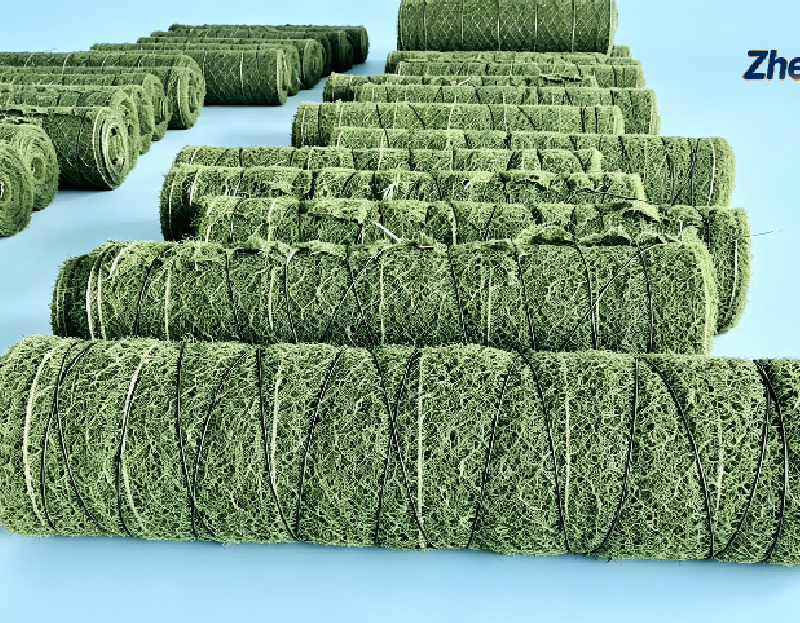 3D Geosynthetic Mat HS
Mass per unit area:600g/m²
Density: 900kg/m³
Mesh type:80X100/10X12
Wire diameter :2.7mm,2.7/3.7mm
Geomat colour:Black/Green /Brown
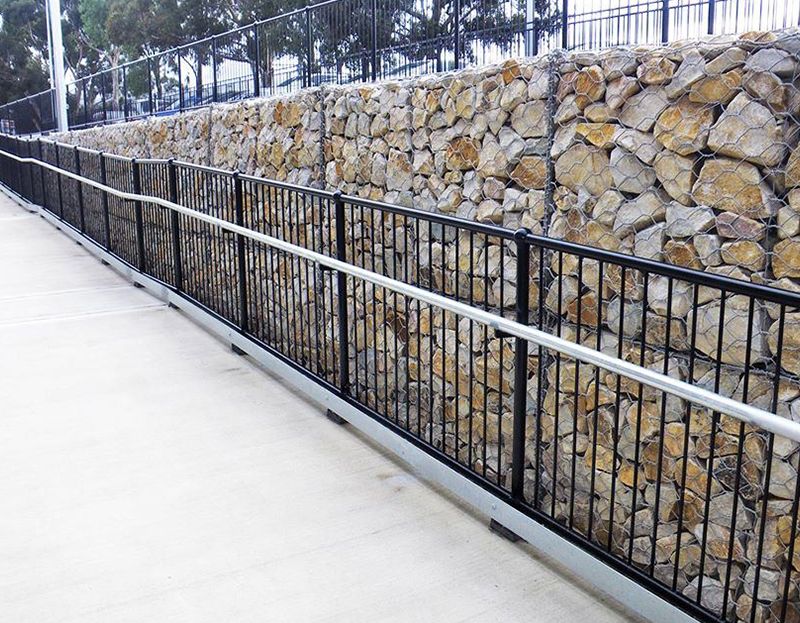 Gabion Basket
Gabion baskets have some advantages over loose riprap because of their modularity and ability to be stacked in various shapes; they are also resistant to being washed away by moving water.
Soil and water conservation blanket
Soil and water conservation blanket
3D Soil and water conservation blanket are used to provide permanent reinforcement to the grass root matrix for permanent surface erosion protection.
3D Geomat Erosion Control Blanket
The 3D Geomat Erosion Control Blanket is a specialized geosynthetic material designed to prevent soil erosion and stabilize slopes in civil engineering and environmental projects. It is constructed with a three-dimensional structure that provides enhanced performance in erosion control.

MainProducts: Gabion Baskets for Sale, Gabions Supplier, Gabion Mattress manufacturer, Gabion Baskets Manufacturer, Welded Gabion, Custom Gabion Baskets, Gabion Landscaping, Crimped Mesh, Aluminum I Bar Grating, Slope Protection Gabion Mesh
Keywords: Road Mesh, Gabion Basket, Gabion Wall, Bastion Barrier Wall, Gabion Retaining Wall, Gabion Box

 EN