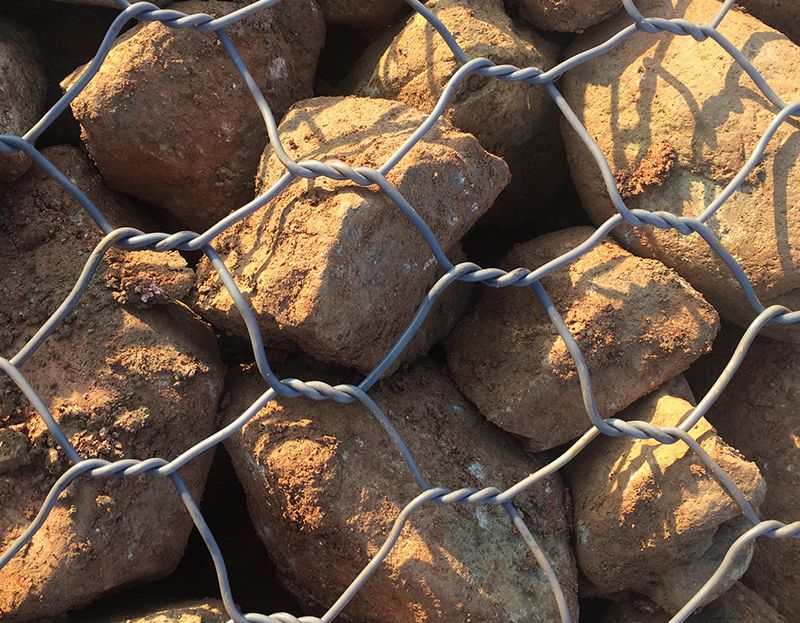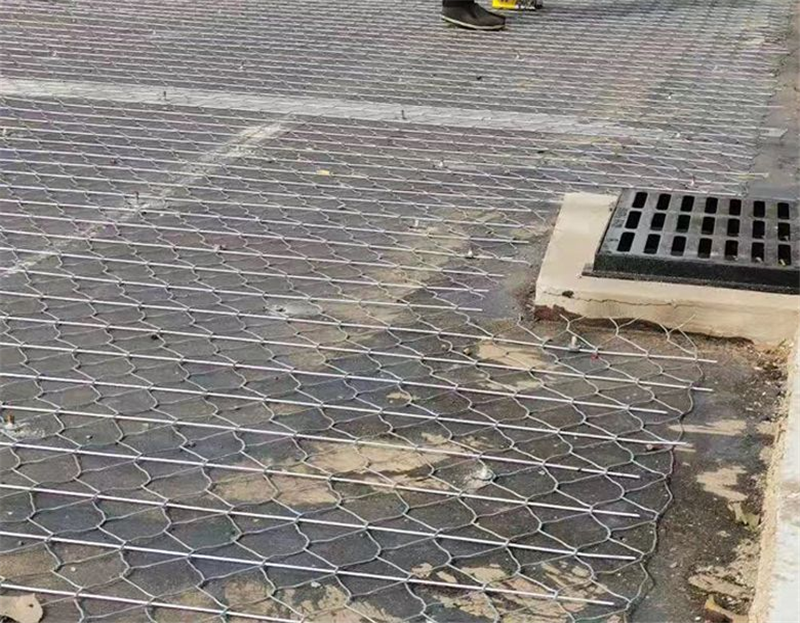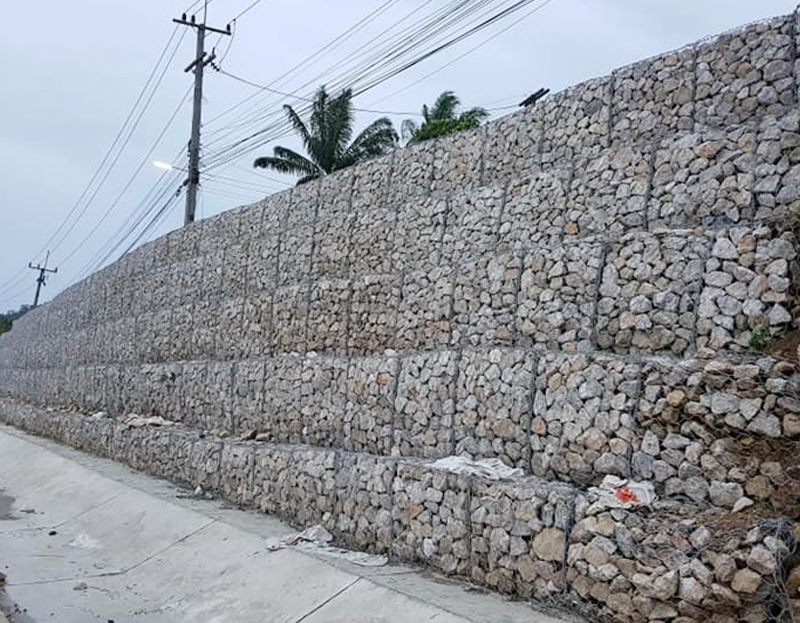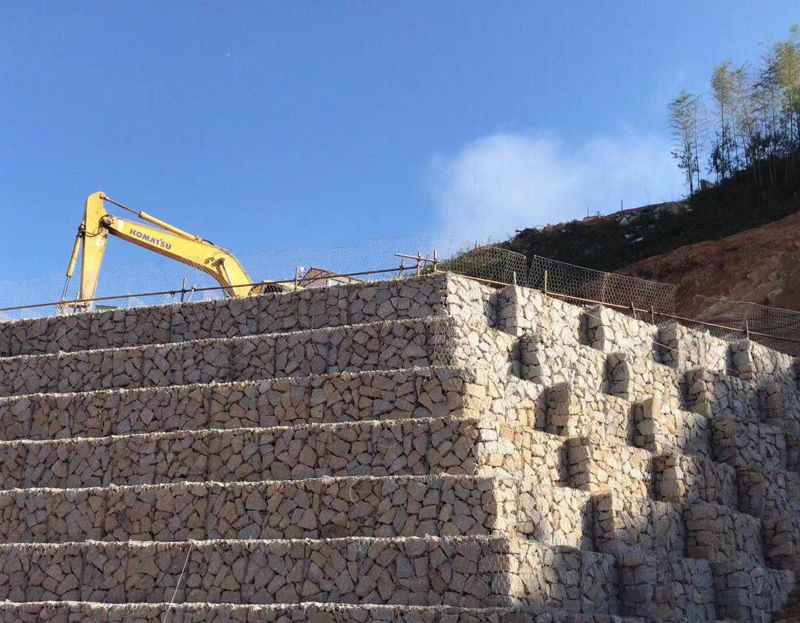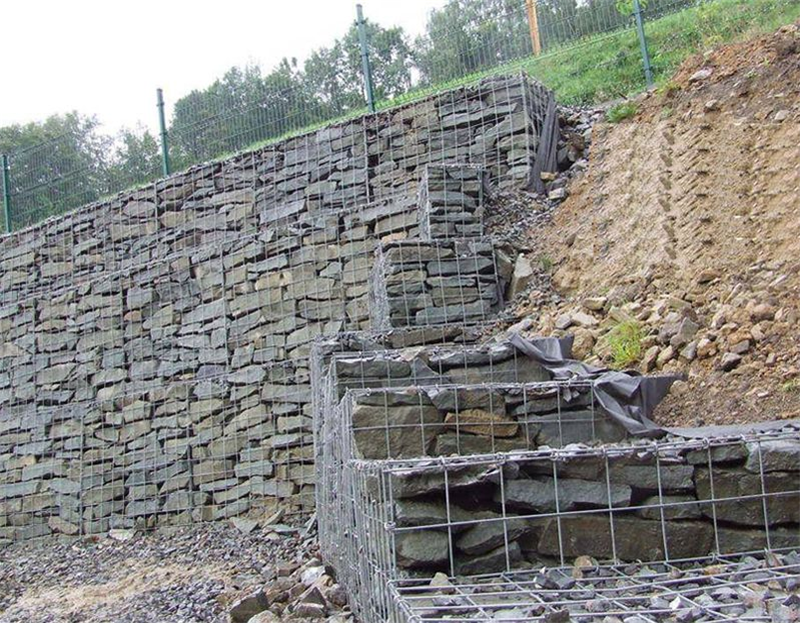
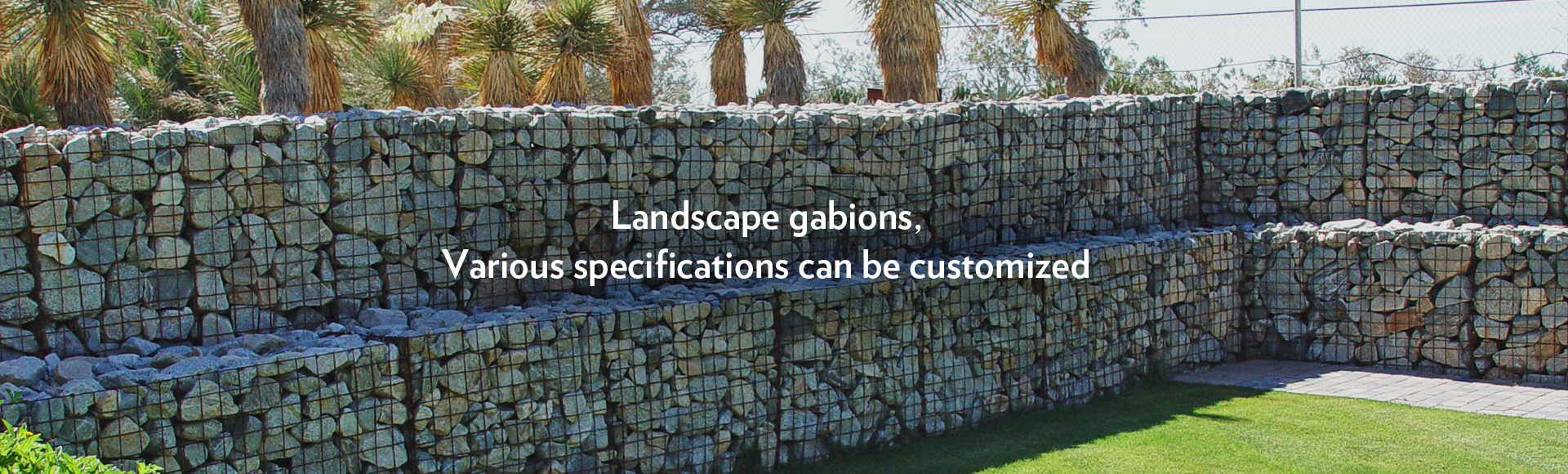
Gabion structures are wire mesh cages filled with rocks or concrete used extensively in civil engineering for effective erosion control, landscape architecture, and urban drainage management. Their primary application in urban drainage channels is to facilitate smooth water flow, prevent soil erosion, and mitigate flooding risks, thereby adding significant value to infrastructure projects. Understanding the ideal gabion configuration for urban drainage channels is crucial for engineers and urban planners aiming to enhance the durability and efficiency of drainage systems.
Historically, gabions date back to ancient civilizations where they were used as a means of fortification and structure stabilization. The modern application of gabions emerged in the mid-20th century, particularly within civil engineering, as a response to the need for sustainable construction practices. The evolution of materials and design principles has led to advancements in gabion technology, emphasizing their role in urban planning and environmental management. This rich history underscores the importance of gabions as a reliable tool in mitigating urban drainage challenges.
In practice, the significance of the ideal gabion configuration cannot be overstated. Properly configured gabions offer numerous practical benefits, such as reducing runoff velocity, allowing sediment deposition, and enhancing the aesthetic value of urban landscapes. When positioned strategically within drainage channels, they can serve as effective barriers that slow water flow, promote infiltration into soil, and protect surrounding structures from flood damage. For instance, a well-configured gabion system can lower peak flow rates by up to 50%, significantly decreasing the risk of erosion and structural failure during storm events.
Common misconceptions about gabion usage often lead to inefficient designs. One prevalent misunderstanding is that gabions can be universally applied without considering site-specific conditions such as soil type, slope, and water flow characteristics. In reality, an effective gabion configuration must be tailored to the unique hydrological and geological context of each site. Additionally, some may erroneously believe that gabion systems require little to no maintenance; however, regular inspections and maintenance are essential to ensure functionality and longevity.
To illustrate the effectiveness of the right gabion configurations, consider the case study of a city plagued by recurrent flooding. Engineers implemented a gabion design consisting of various configurations, including tiered structures and staggered placement to optimize water flow dispersion. After installation, the city recorded a 70% reduction in flood incidents, showcasing how thoughtful design can significantly address urban drainage issues.
Summarizing the core points, the ideal gabion configuration for urban drainage channels comprises tailored designs that account for specific conditions, alongside a commitment to regular maintenance. Gabions not only play a critical role in flood management and erosion control but also contribute to the aesthetic and functional design of urban landscapes. To explore further or to optimize your drainage solutions, consider consulting with a gabion supplier like Zhenlu, who can guide you through the complexities of gabion design. For more detailed insights, you can refer to this resource: 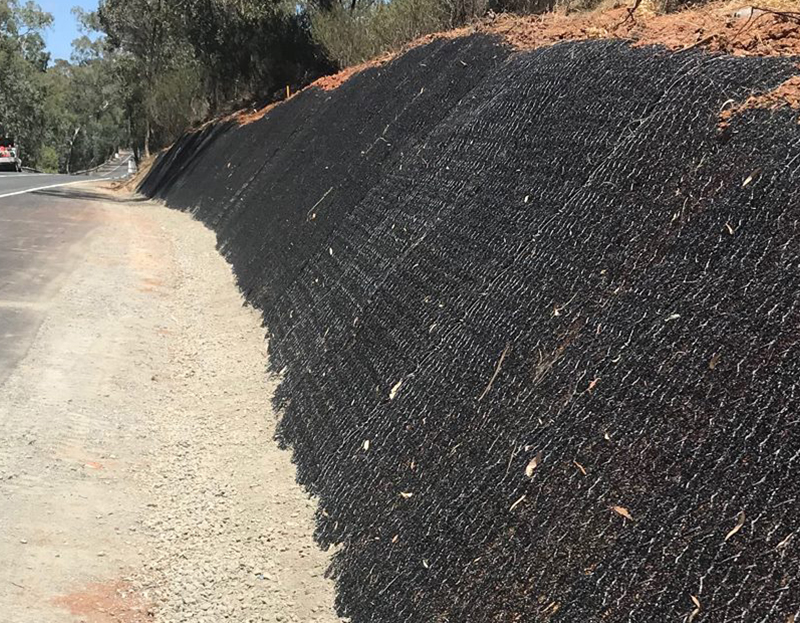 . Embrace innovative gabion solutions today to enhance urban resilience and ensure effective drainage management.
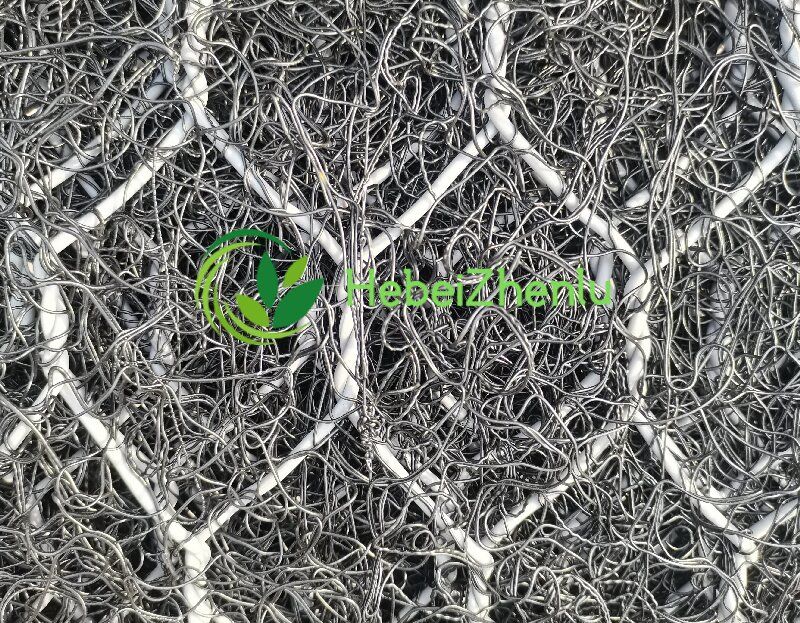 Gabion Composite Mat
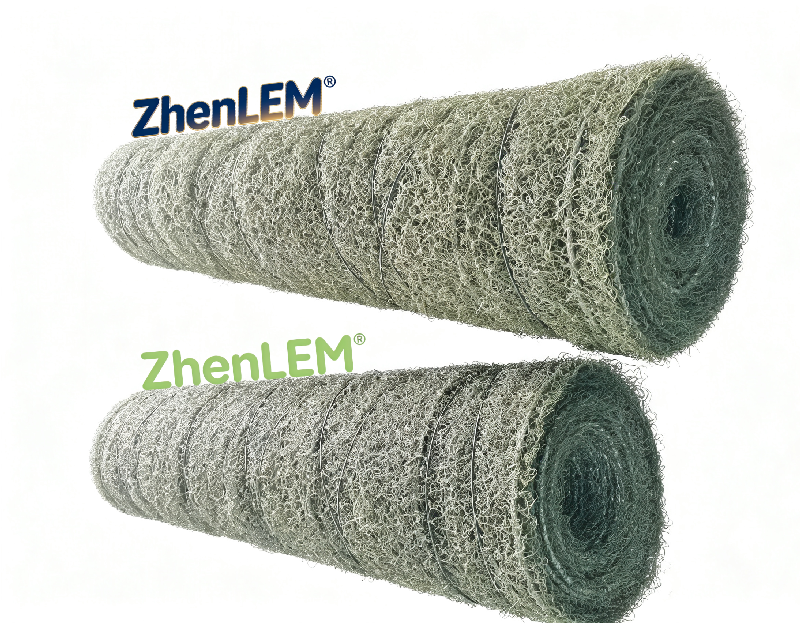
ZhenLEM® 3D Gabion composite mat is a three-dimensional turf reinforcement mat, manufactured from high-quality UV-stabilized synthetic filaments heat-tangled into an open, flexible porous matrix with porosity over 90% Gabion mesh roll.
Gabion Composite Mat
ZhenLEM® 3D Gabion composite mat is a three-dimensional turf reinforcement mat, manufactured from high-quality UV-stabilized synthetic filaments heat-tangled into an open, flexible porous matrix with porosity over 90% Gabion mesh roll.
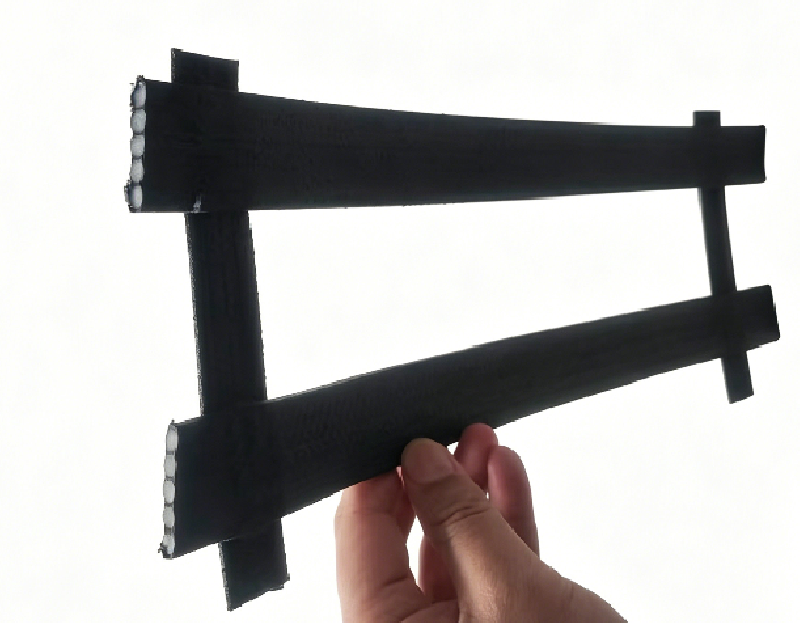 High-Strength Polyester Geogrid
ZhenLEM®High-strength polyester geogrid,(alternative to ParaGrid), is uniaxial or biaxial geogrid designed for soil reinforcement and foundation stabilization. It is widely applied in gabion retaining walls and slope protection projects.
High-Strength Polyester Geogrid
ZhenLEM®High-strength polyester geogrid,(alternative to ParaGrid), is uniaxial or biaxial geogrid designed for soil reinforcement and foundation stabilization. It is widely applied in gabion retaining walls and slope protection projects.
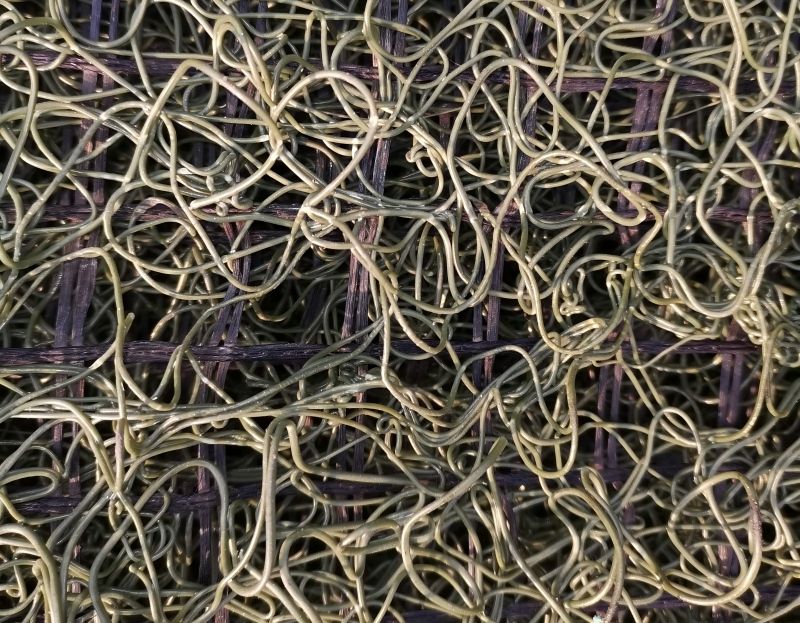 Reinforced Vegetation Mat
refers to a type of geosynthetic material that is used in civil engineering and environmental applications. Geomats are engineered to provide various functions such as soil stabilization, erosion control, and slope protection.
Reinforced Vegetation Mat
Reinforced Vegetation Mat
refers to a type of geosynthetic material that is used in civil engineering and environmental applications. Geomats are engineered to provide various functions such as soil stabilization, erosion control, and slope protection.
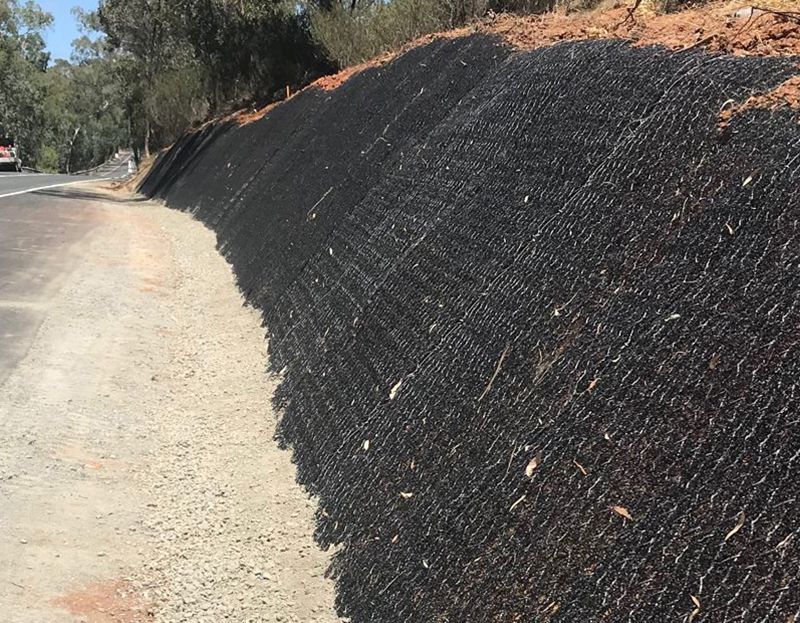
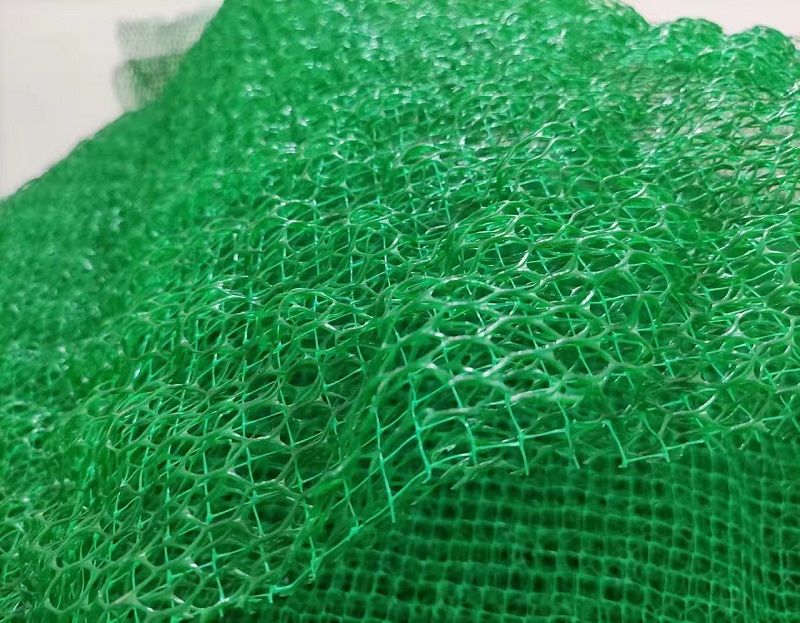 3D Geomat Erosion Control Blanket
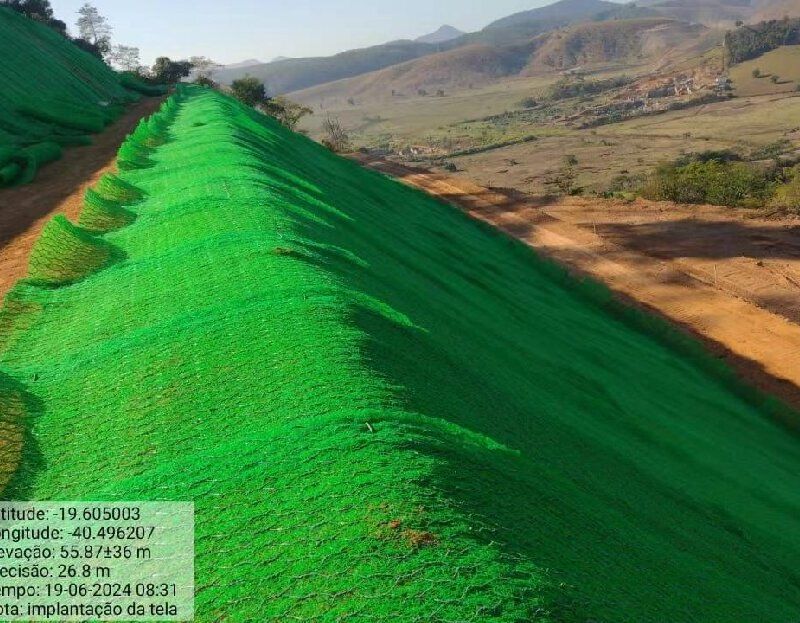
The 3D Geomat Erosion Control Blanket is a specialized geosynthetic material designed to prevent soil erosion and stabilize slopes in civil engineering and environmental projects. It is constructed with a three-dimensional structure that provides enhanced performance in erosion control.
3D Geomat Erosion Control Blanket
The 3D Geomat Erosion Control Blanket is a specialized geosynthetic material designed to prevent soil erosion and stabilize slopes in civil engineering and environmental projects. It is constructed with a three-dimensional structure that provides enhanced performance in erosion control.
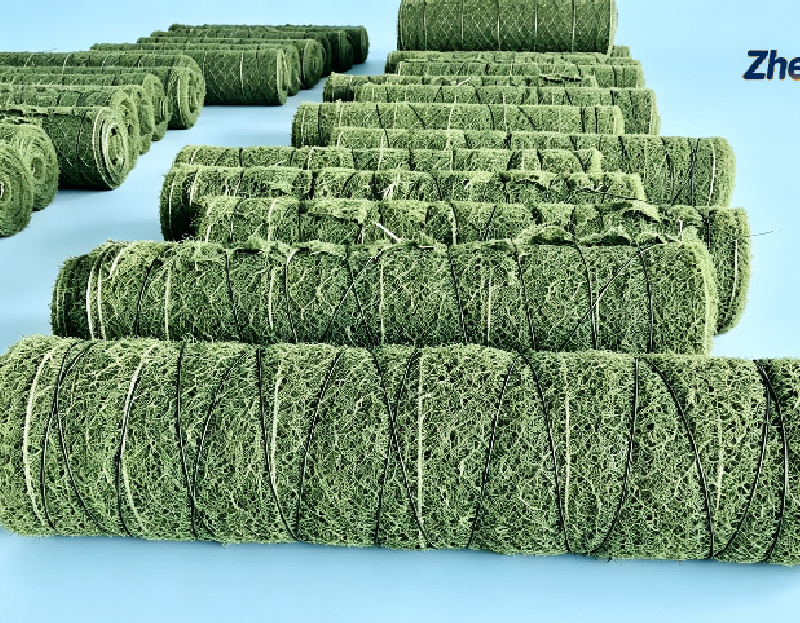 3D Geosynthetic Mat HS
Mass per unit area:600g/m²
Density: 900kg/m³
Mesh type:80X100/10X12
Wire diameter :2.7mm,2.7/3.7mm
Geomat colour:Black/Green /Brown
3D Geosynthetic Mat HS
Mass per unit area:600g/m²
Density: 900kg/m³
Mesh type:80X100/10X12
Wire diameter :2.7mm,2.7/3.7mm
Geomat colour:Black/Green /Brown
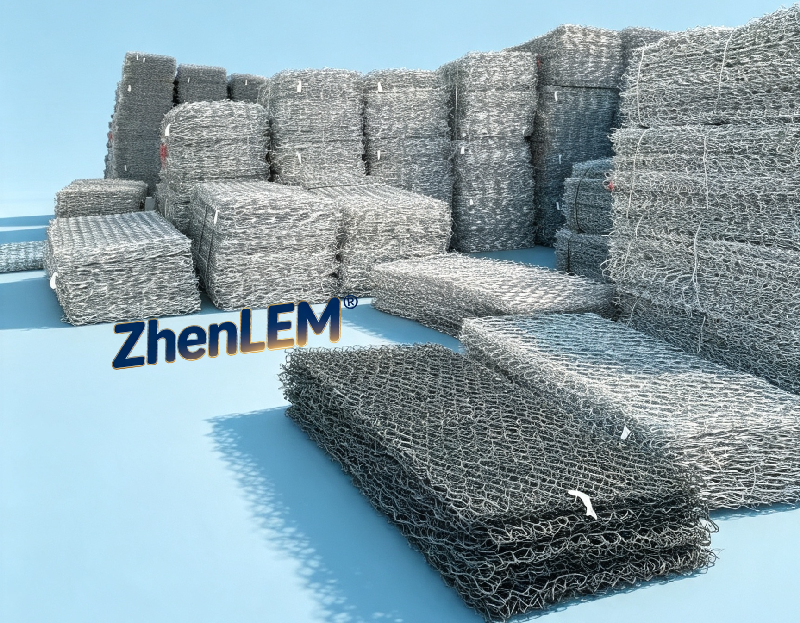 Gabion Basket
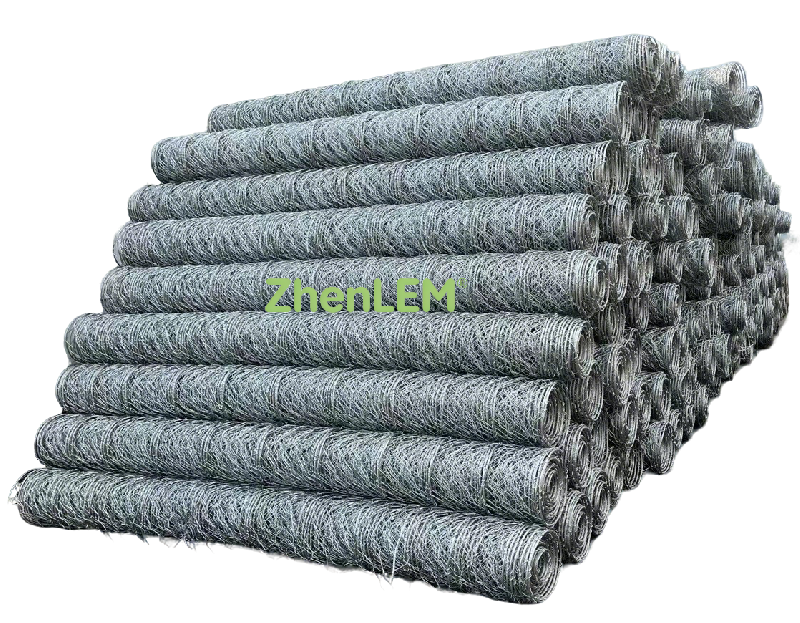
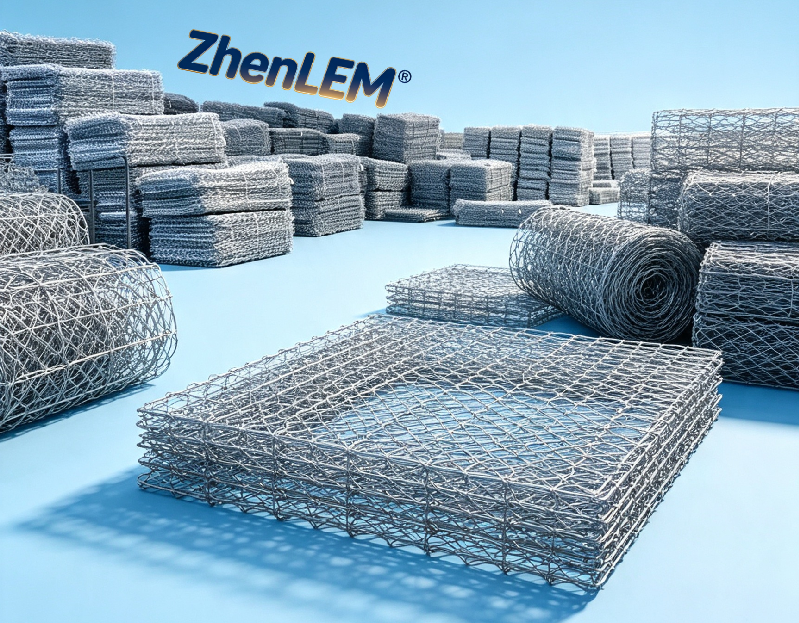
Gabion baskets have some advantages over loose riprap because of their modularity and ability to be stacked in various shapes; they are also resistant to being washed away by moving water.
Reinforced Vegetation Mat
Reinforced Vegetation Mat
refers to a type of geosynthetic material that is used in civil engineering and environmental applications. Geomats are engineered to provide various functions such as soil stabilization, erosion control, and slope protection.
3D Geomat Erosion Control Blanket
The 3D Geomat Erosion Control Blanket is a specialized geosynthetic material designed to prevent soil erosion and stabilize slopes in civil engineering and environmental projects. It is constructed with a three-dimensional structure that provides enhanced performance in erosion control.
Gabion Basket
Gabion baskets have some advantages over loose riprap because of their modularity and ability to be stacked in various shapes; they are also resistant to being washed away by moving water.
Reinforced Vegetation Mat
Reinforced Vegetation Mat
refers to a type of geosynthetic material that is used in civil engineering and environmental applications. Geomats are engineered to provide various functions such as soil stabilization, erosion control, and slope protection.
3D Geomat Erosion Control Blanket
The 3D Geomat Erosion Control Blanket is a specialized geosynthetic material designed to prevent soil erosion and stabilize slopes in civil engineering and environmental projects. It is constructed with a three-dimensional structure that provides enhanced performance in erosion control.

MainProducts: Gabion Baskets for Sale, Gabions Supplier, Gabion Mattress manufacturer, Gabion Baskets Manufacturer, Welded Gabion, Custom Gabion Baskets, Gabion Landscaping, Crimped Mesh, Aluminum I Bar Grating, Slope Protection Gabion Mesh
Keywords: Road Mesh, Gabion Basket, Gabion Wall, Bastion Barrier Wall, Gabion Retaining Wall, Gabion Box

 EN
EN