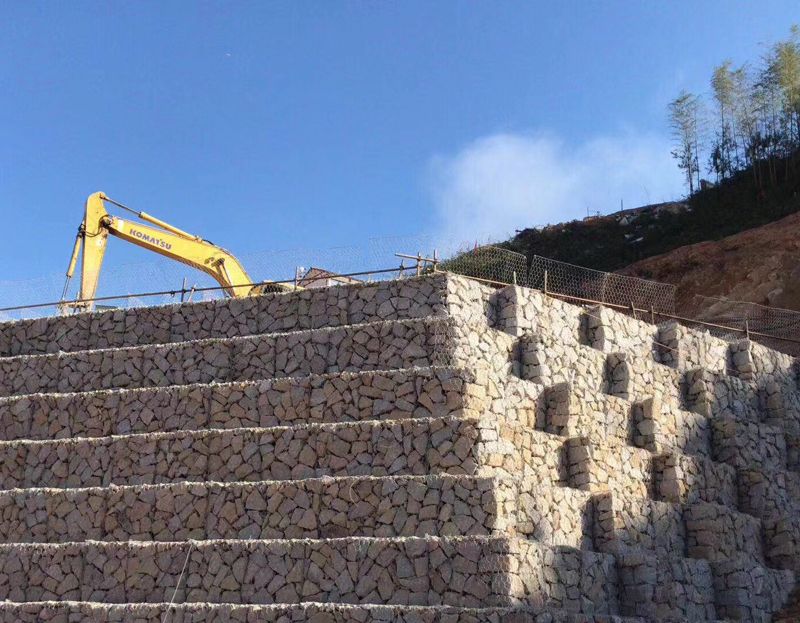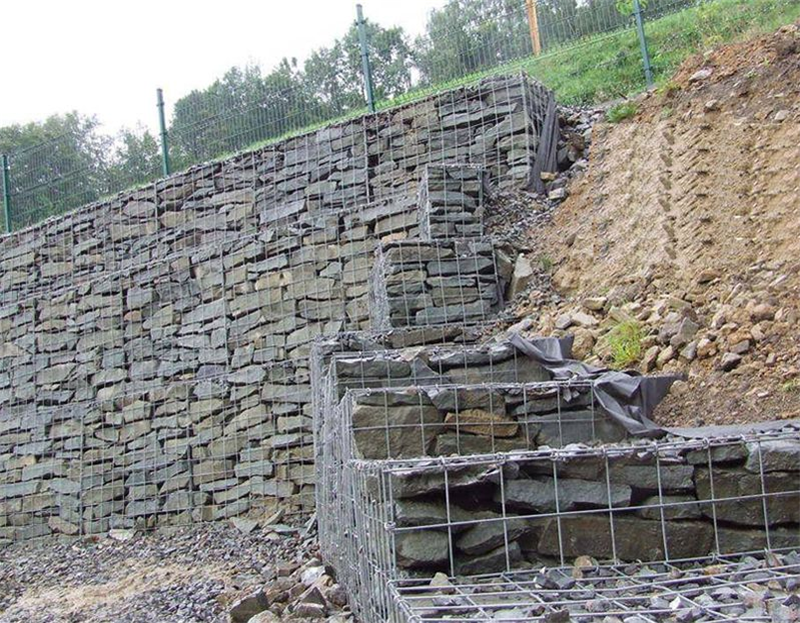
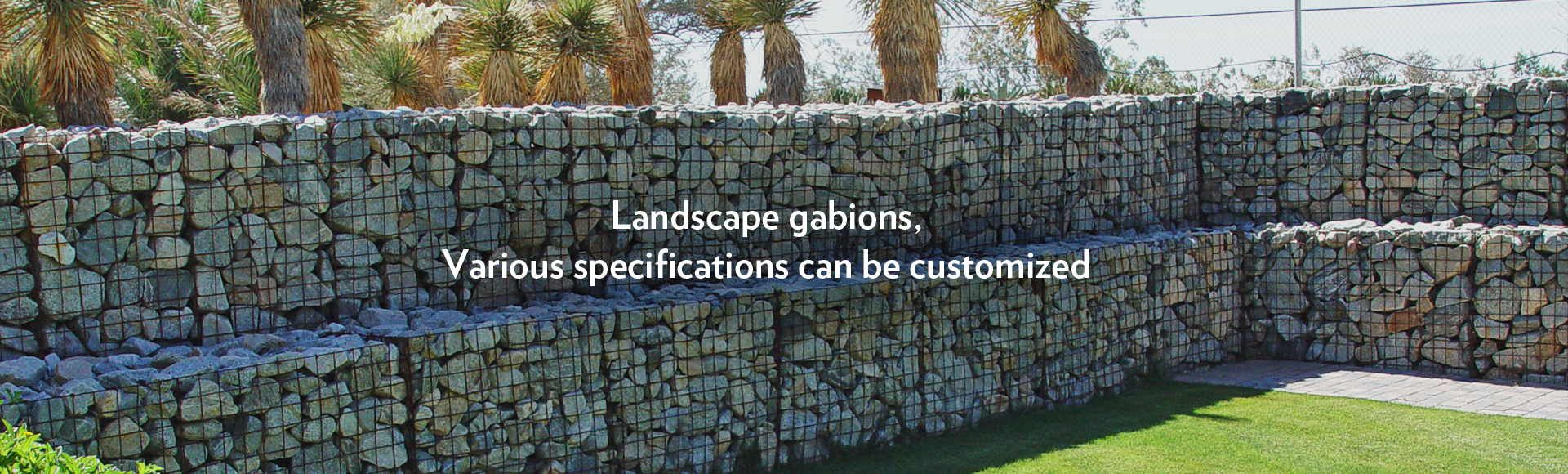
In high-flow river applications, selecting the ideal mesh size is critical for optimizing water flow and preventing sediment blockage. Mesh size, a measurement of the number of openings in a screen or filter per unit area, is measured in either U.S. mesh or micron. The right mesh size ensures effective filtration, significantly enhancing water management systems like gabion structures, which are extensively used in erosion control. For businesses in the water management sector, understanding this concept can lead to improved operational efficiency and cost savings.
Historically, the importance of mesh size emerged alongside advancements in civil engineering and environmental management. As communities began to develop along rivers, the challenge of managing sediment and flow rates became apparent. This led to the creation of gabions—wire mesh containers filled with rock, concrete, or other materials. Today, determining the right mesh size is vital in various applications, including flood prevention, habitat restoration, and infrastructure protection—a foundation that supports both environmental integrity and economic viability.
The practical applications of mesh size in river settings cannot be overstated. For instance, a mesh opening of 50mm may effectively allow for larger debris to pass while preventing smaller sediment from clogging waterways. Using a mesh size that is too fine can lead to rapid accumulation of debris, creating blockages that hinder flow and drainage. Conversely, a mesh that is too coarse may fail to filter out necessary sediment, which is crucial for maintaining the ecosystem. By accurately assessing flow rates and debris characteristics, businesses like Zhenlu can maximize performance and lifespan of their hydraulic structures.
Despite its significance, several misconceptions about mesh size exist. One common error is assuming that larger mesh sizes universally equate to better flow efficiency. However, the balance between flow capacity and sediment filtration is crucial; a mesh size that is too large can actually harm the environment by allowing excessive sediment that can disrupt aquatic habitats. Moreover, not all mesh materials provide the same level of durability and support; using substandard materials can lead to premature failure, undermining the entire structure. Understanding these nuances is essential for stakeholders in water management.
To illustrate, consider a case study involving a gabion wall built along a fast-flowing river. Initially, a mesh size of 30mm was chosen to filter out small debris. However, the team quickly observed severe sediment buildup, causing water to overflow. By switching to a larger mesh size of 50mm, they not only maintained effective flow but also significantly reduced maintenance costs by preventing blockages, ultimately leading to a more sustainable approach.
Summarizing the key points, determining the ideal mesh size for high-flow river applications involves careful consideration of flow dynamics, sediment types, and environmental impacts. By recognizing the importance of mesh size, professionals in the water management industry can optimize their systems for efficiency and longevity. For further exploration on how these principles apply to your projects, consider delving into resources provided by companies like Gabion Supplier and Zhenlu. Understanding what's at stake can guide you in making informed decisions, ultimately benefiting project outcomes and environmental sustainability.
For more details, including visual examples, please visit  .
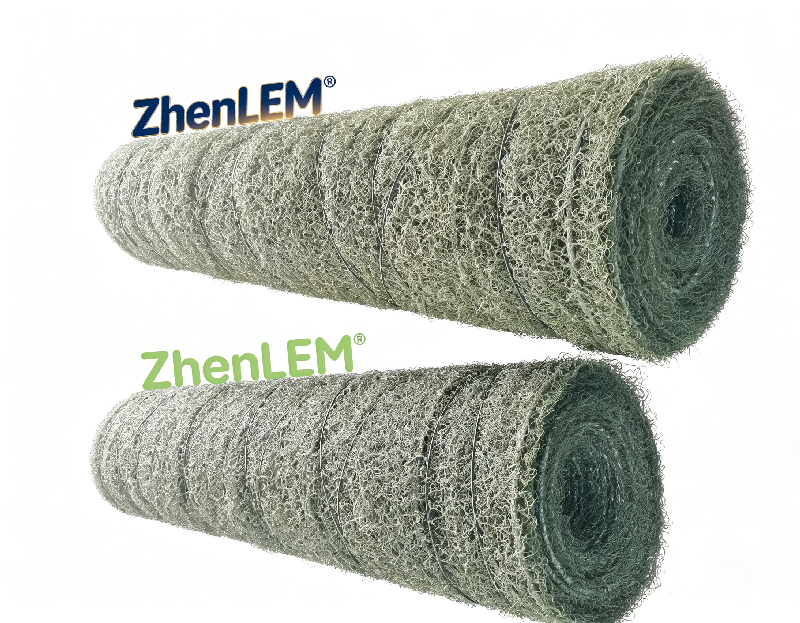 Reinforced 3D Geosynthetic Mat
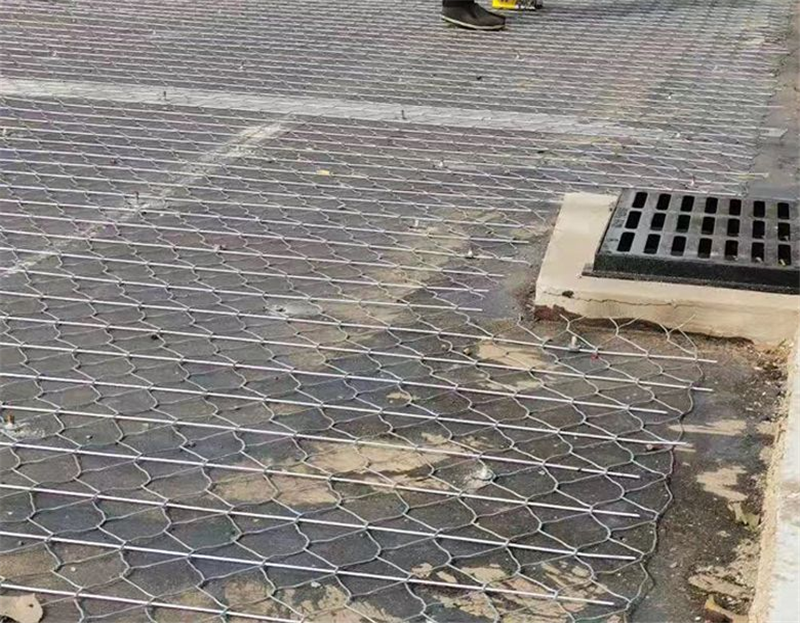
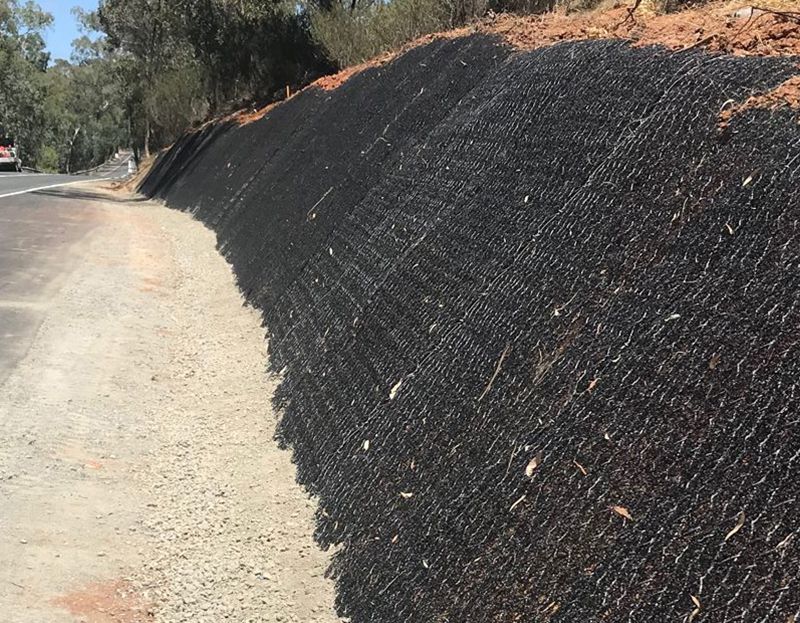
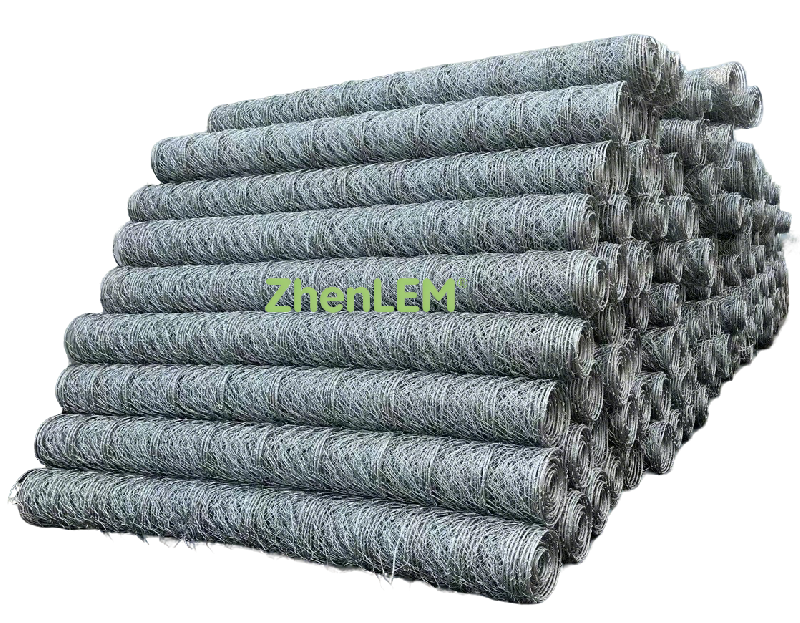
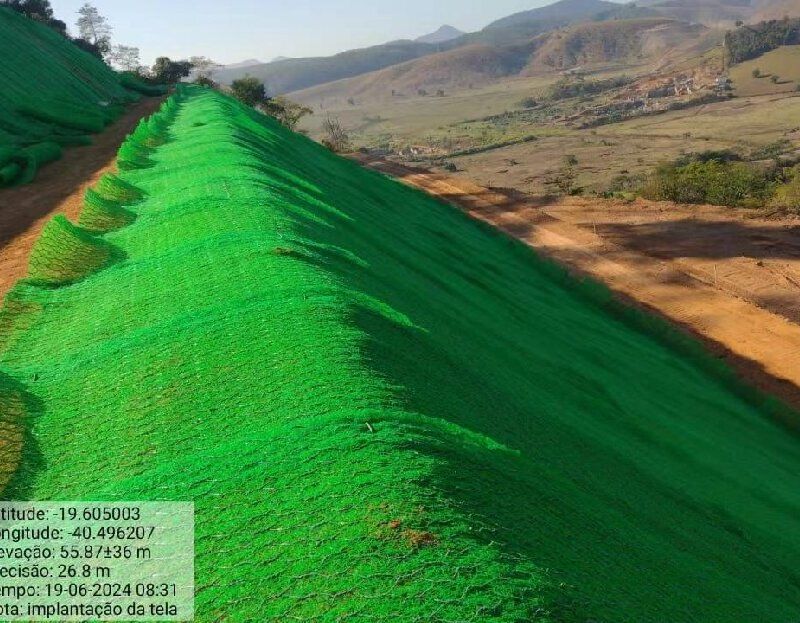
This is a ZhenLEM®-reinforced 3D geosynthetic mat, a composite structure of 3D polymeric mat and hexagonal steel wire mesh, used for erosion control and slope stabilization.
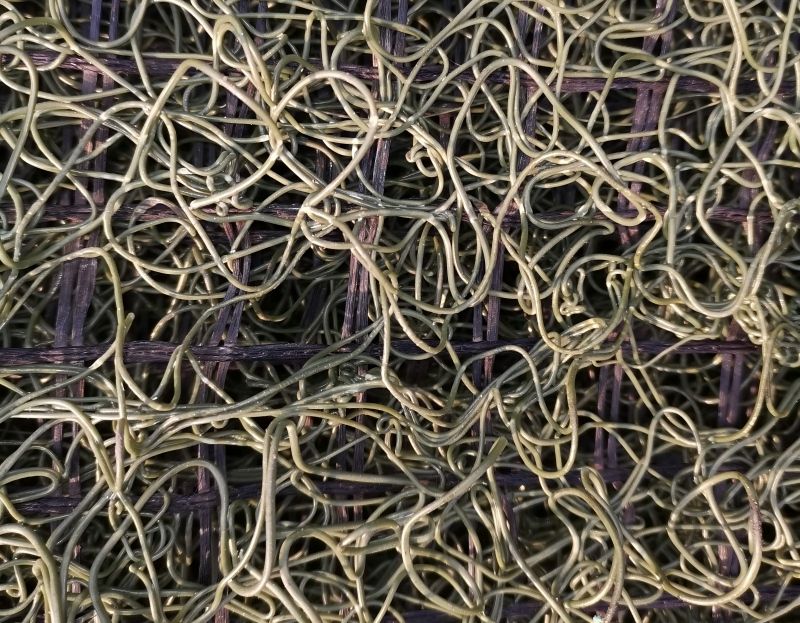 Reinforced Vegetation Mat
refers to a type of geosynthetic material that is used in civil engineering and environmental applications. Geomats are engineered to provide various functions such as soil stabilization, erosion control, and slope protection.
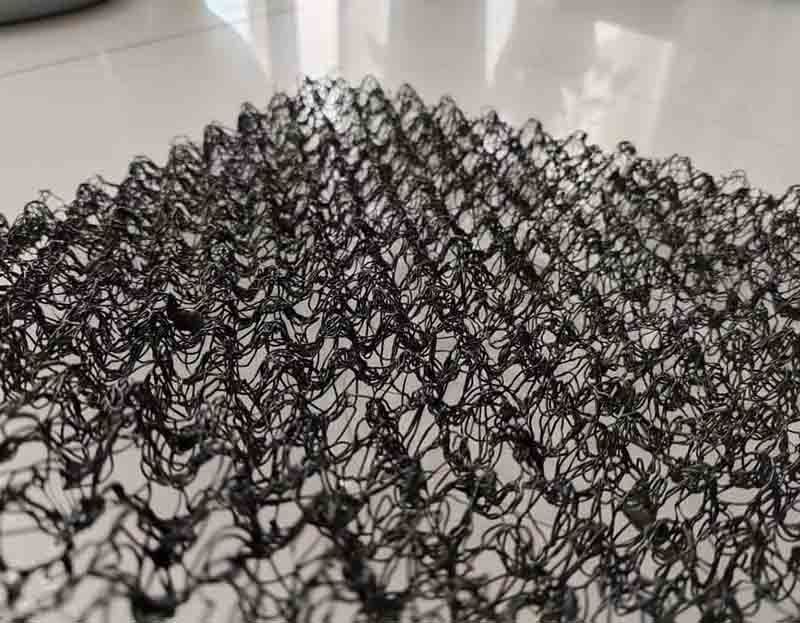 Soil and water conservation blanket
3D Soil and water conservation blanket are used to provide permanent reinforcement to the grass root matrix for permanent surface erosion protection.
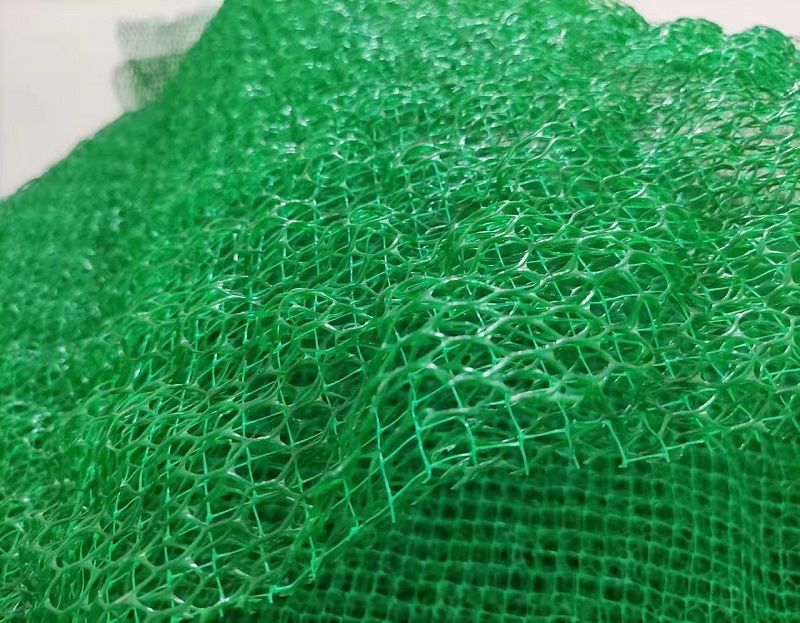 3D Geomat Erosion Control Blanket
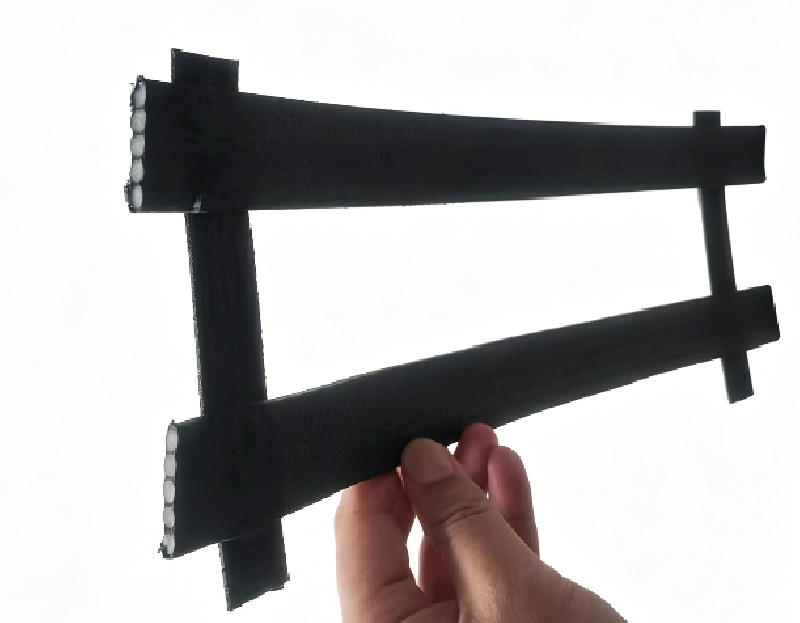
The 3D Geomat Erosion Control Blanket is a specialized geosynthetic material designed to prevent soil erosion and stabilize slopes in civil engineering and environmental projects. It is constructed with a three-dimensional structure that provides enhanced performance in erosion control.
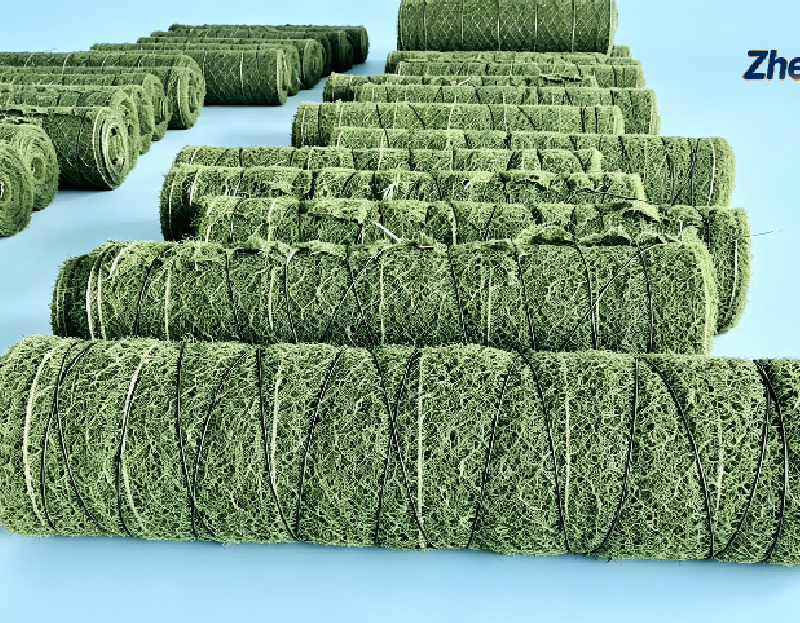 3D Geosynthetic Mat HS
Mass per unit area:600g/m²
Density: 900kg/m³
Mesh type:80X100/10X12
Wire diameter :2.7mm,2.7/3.7mm
Geomat colour:Black/Green /Brown
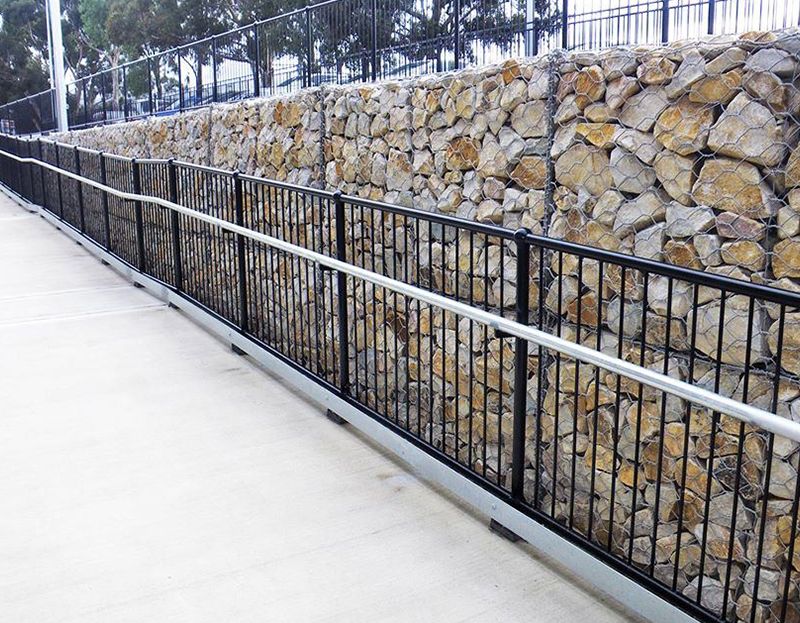 Gabion Basket
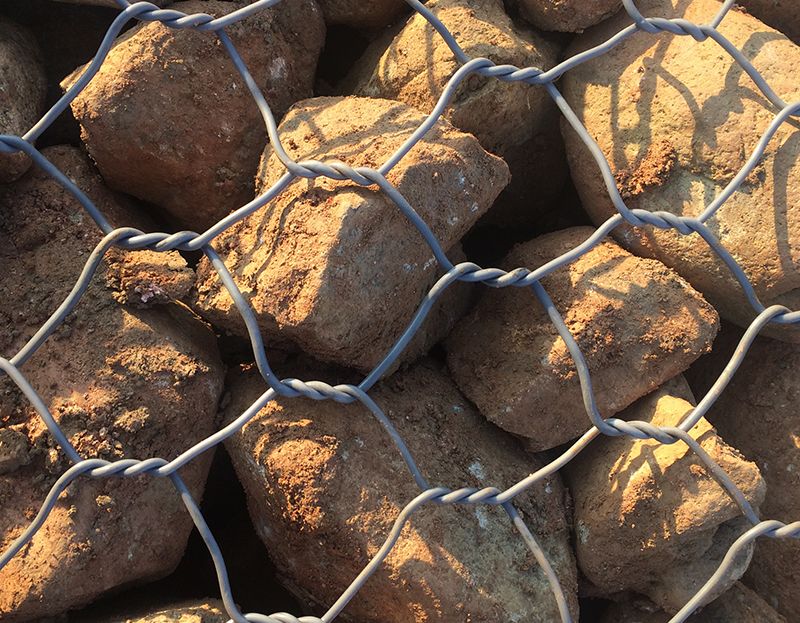
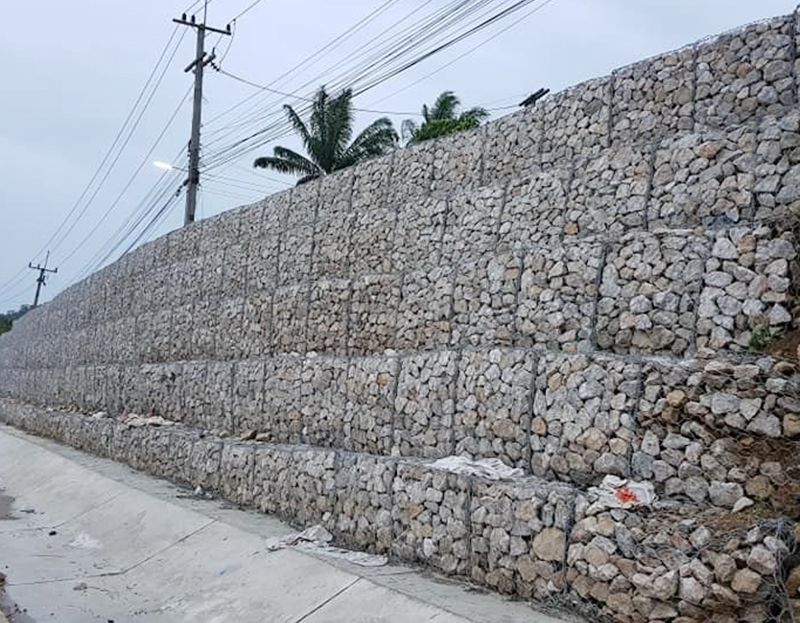
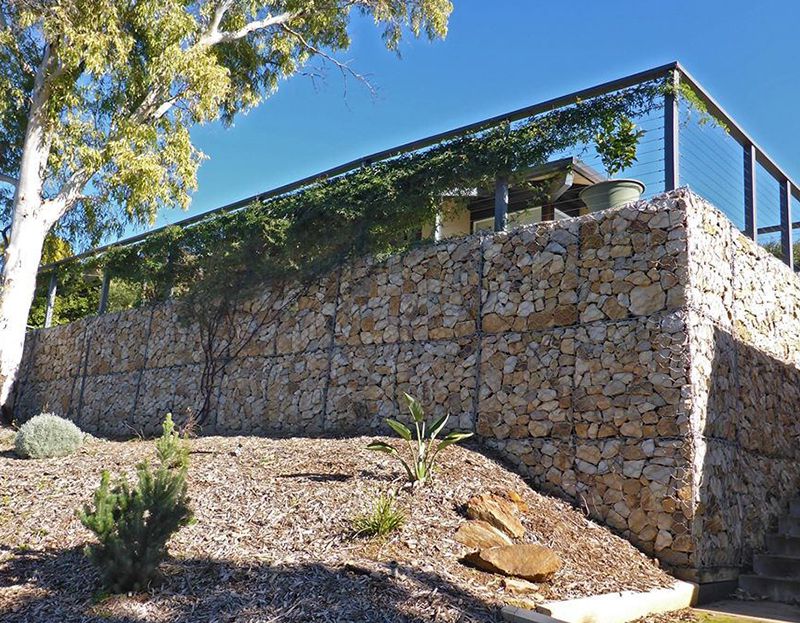
Gabion baskets have some advantages over loose riprap because of their modularity and ability to be stacked in various shapes; they are also resistant to being washed away by moving water.
Soil and water conservation blanket
Soil and water conservation blanket
3D Soil and water conservation blanket are used to provide permanent reinforcement to the grass root matrix for permanent surface erosion protection.
3D Geomat Erosion Control Blanket
The 3D Geomat Erosion Control Blanket is a specialized geosynthetic material designed to prevent soil erosion and stabilize slopes in civil engineering and environmental projects. It is constructed with a three-dimensional structure that provides enhanced performance in erosion control.

MainProducts: Gabion Baskets for Sale, Gabions Supplier, Gabion Mattress manufacturer, Gabion Baskets Manufacturer, Welded Gabion, Custom Gabion Baskets, Gabion Landscaping, Crimped Mesh, Aluminum I Bar Grating, Slope Protection Gabion Mesh
Keywords: Road Mesh, Gabion Basket, Gabion Wall, Bastion Barrier Wall, Gabion Retaining Wall, Gabion Box

 EN