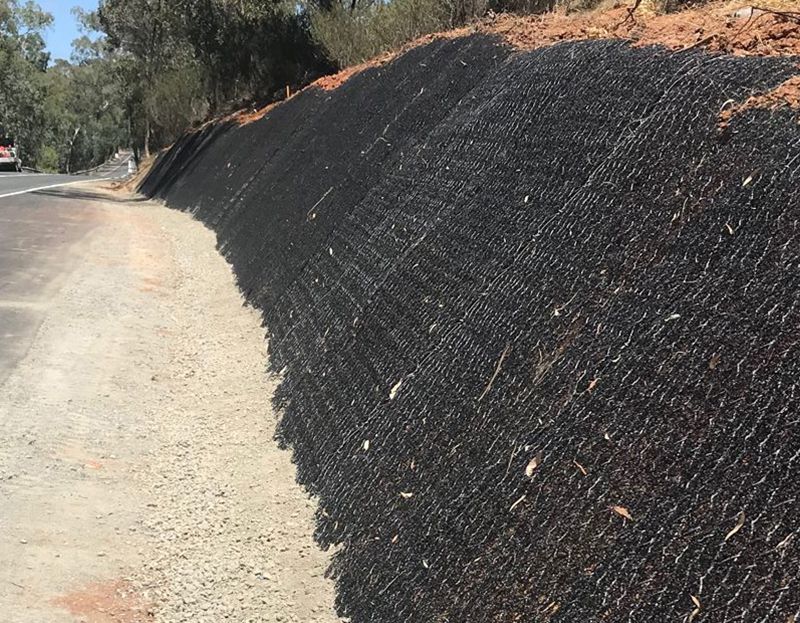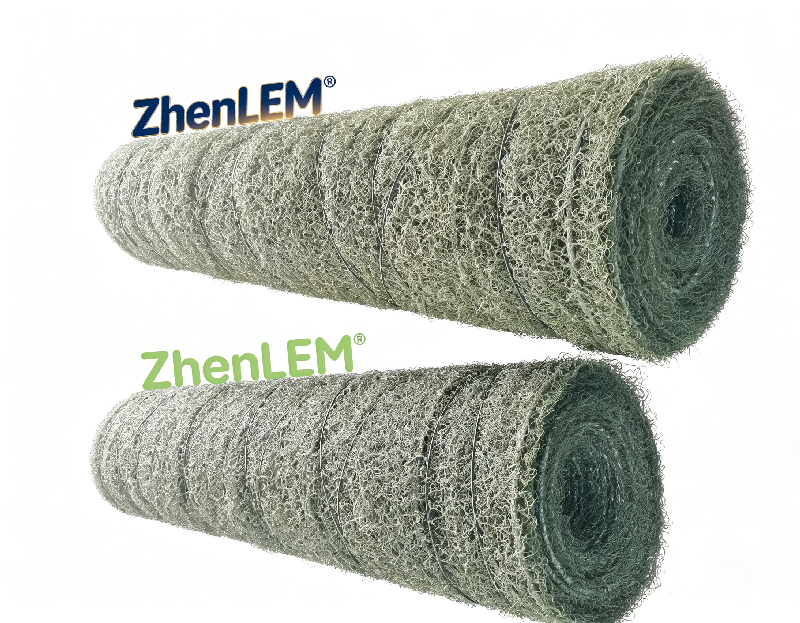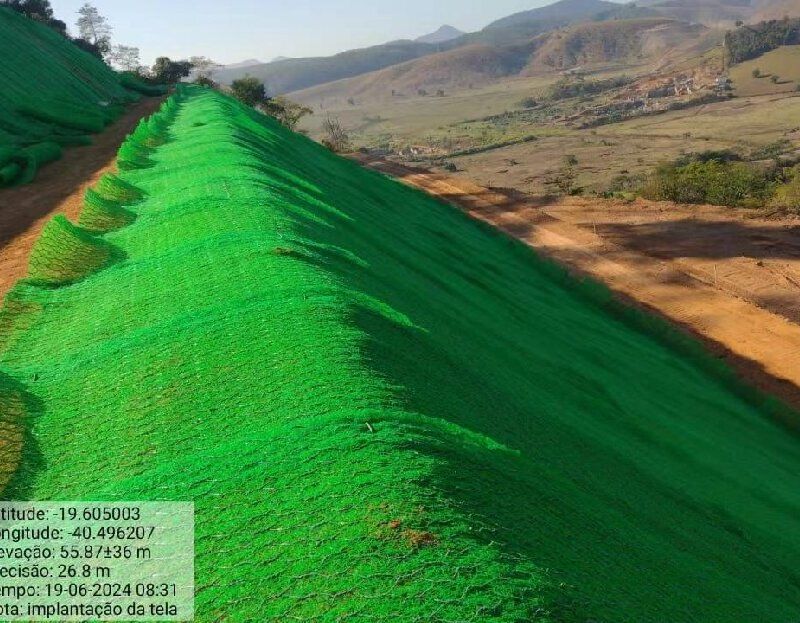
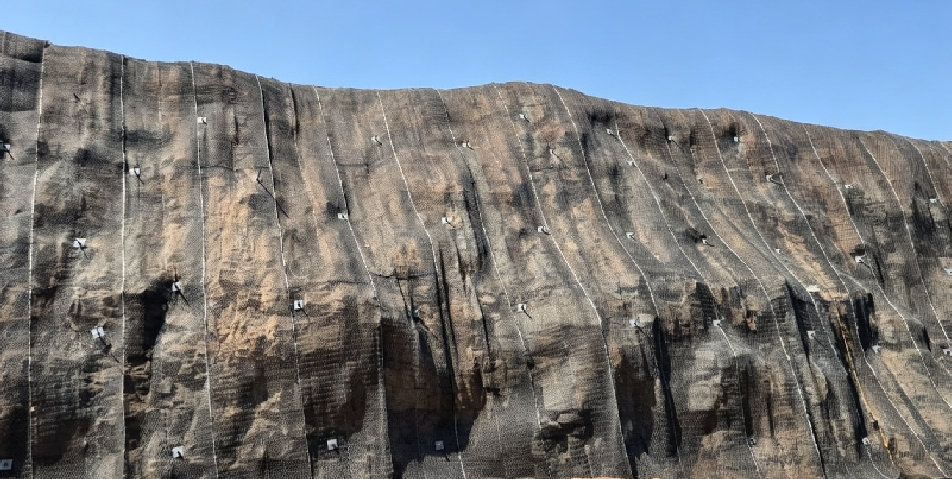
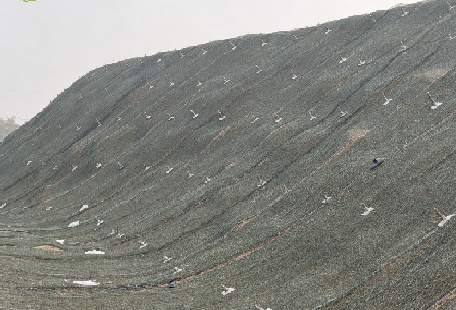
ZhenLEM®-GeoMat and GeoMat R1, are three-dimensional erosion control mats manufactured from UV-stabilised synthetic fibres. ZhenLEM®-GeoMat R1 incorporates additional reinforcement within the polymer matrix, available with either double-twisted steel wire mesh or synthetic geogrids of various tensile strengths.
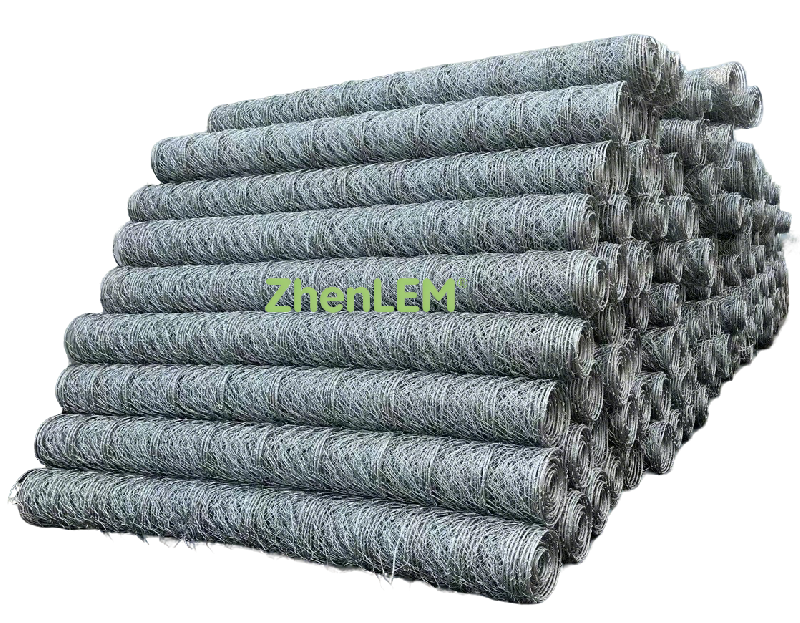
The products are supplied in roll form. Steel mesh reinforced ZhenLEM®-GeoMat R1 features one rough surface and one smooth surface. Normally, the smooth side is laid against the substrate to be protected; under special site conditions, the smooth side may be exposed outwards if required. Synthetic geogrid reinforced ZhenLEM®-GeoMat R1 retains the standard cuspated matrix profile of unreinforced ZhenLEM®-GeoMat.
1. Grade and lightly compact the slope to form an even surface, filling depressions as necessary.
2. Prepare a level anchorage bench and trench in firm subsoil around the perimeter of the installation area.
3. Leave the top 25–50 mm of topsoil loose to minimise soil voids and facilitate seed establishment on the embankment slope.
4. When applied as an erosion control mat, two seeding and fertilising options are recommended: apply seed and fertiliser directly onto the topsoil prior to laying ZhenLEM?GeoMat; or carry out hydroseeding after mat installation.
5. When used as turf reinforcement matting, topsoil and seed (or hydroseed) shall be placed after ZhenLEM®-GeoMat has been installed.
1. A simple fold of the mat edge back into the slope is generally sufficient for perimeter anchorage.
2. For erodible soils, excavate a trench approximately 300 mm deep ?500 mm wide, set back at least 0.5 m from the slope crest. Anchor the mat along the base of the trench. Note: For reinforced mats, trench dimensions must be purpose-designed to achieve the required anchorage capacity.
3. Backfill and compact the soil to a smooth, even surface.
4. Initially lay the mat loosely over the soil surface to avoid soil pockets. Secure the mat into larger surface depressions with fixing pins to reduce voids between the mat and slope face.
Steel fixing pins shall be used to secure ZhenLEM®-GeoMat R1 to the slope. Site trials shall be undertaken to confirm the optimal fixing method and spacing. For most applications, the following pin specifications are recommended:
· Unreinforced ZhenLEM® GeoMat: 4–8 mm diameter steel pins with asymmetric legs of 300 mm / 100 mm
· Reinforced ZhenLEM® GeoMat R1: 8 mm diameter steel pins with asymmetric legs of 300 mm / 100 mm
Fixing pin density shall be determined by the project engineer, subject to slope gradient, surface soil type, and anticipated shear stresses for hydraulic applications. The following is for general guidance only:
1. Space anchor pins at 1 m centres along the embankment slope crest and along the base of the anchor trench.
2. Under normal conditions (excluding perimeter fixings): one pin per 2 m?for ZhenLEM®-GeoMat; one pin per 1.5–1.7 m?for ZhenLEM®-GeoMat R1.
3. For slopes up to 1:1 (V:H) and channel linings: anchor pins spaced at 1 m perpendicular to the slope line, and staggered at 1.2 m intervals parallel to the slope line.
4. Slopes steeper than 1:1 (Vertical:Horizontal) require closer fixings, to comply with the project engineer’s recommendations.
5. Where steel mesh reinforced ZhenLEM®-GeoMat R1 is used together with soil nails for reinforced slopes, additional fixings may not be necessary. Secure ZhenLEM®-GeoMat R1 using anchor plates and nuts as specified for the project.
6. Drive fixing pins perpendicular to the mat (engaging the woven steel mesh of ZhenLEM®-GeoMat R1), flush with the soil surface to deliver the required pull-out resistance.
7. Adjacent panels of unreinforced ZhenLEM®-GeoMat and geogrid-reinforced ZhenLEM®-GeoMat R1 shall overlap by a minimum of 100 mm and be pinned through the overlap.
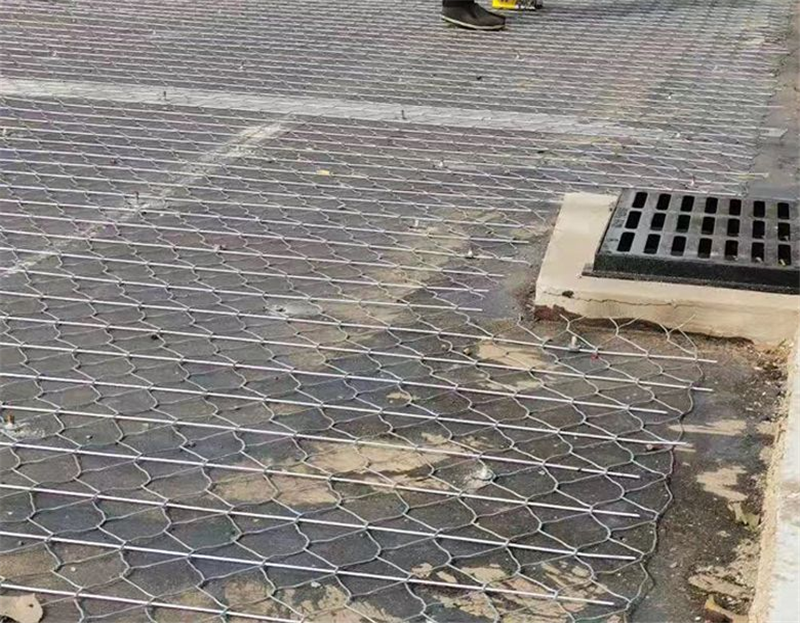
8. Adjacent panels of steel mesh reinforced ZhenLEM®-GeoMat R1 do not require overlapping. The integral steel wire mesh enables butt-joint connections between panels using lacing wire, fixing rings or fixing pins, selected according to site application.
For further documentation, technical guidance and project-specific support, please contact the Sales Department of Hebei Zhenlu Engineering Materials Co., Ltd.
Oct. 24, 2026
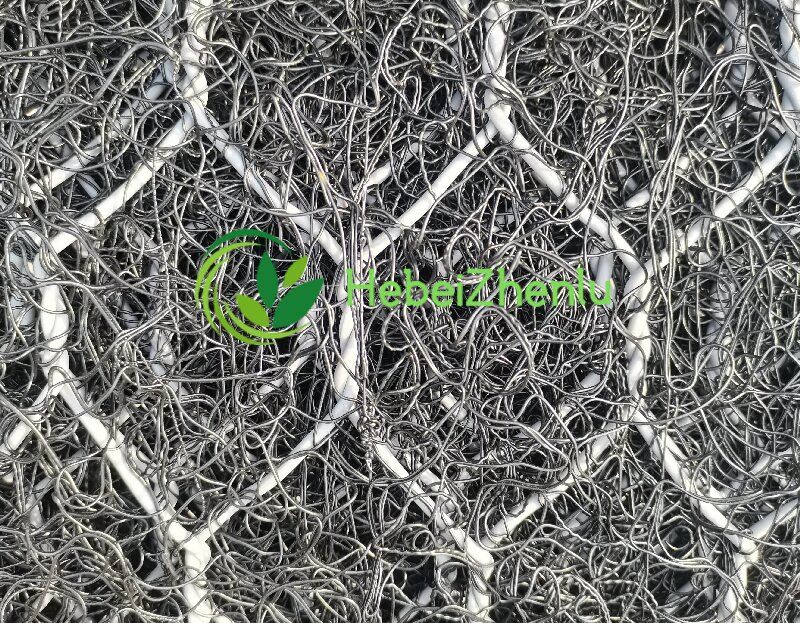 Gabion Composite Mat
ZhenLEM® 3D Gabion composite mat is a three-dimensional turf reinforcement mat, manufactured from high-quality UV-stabilized synthetic filaments heat-tangled into an open, flexible porous matrix with porosity over 90% Gabion mesh roll.
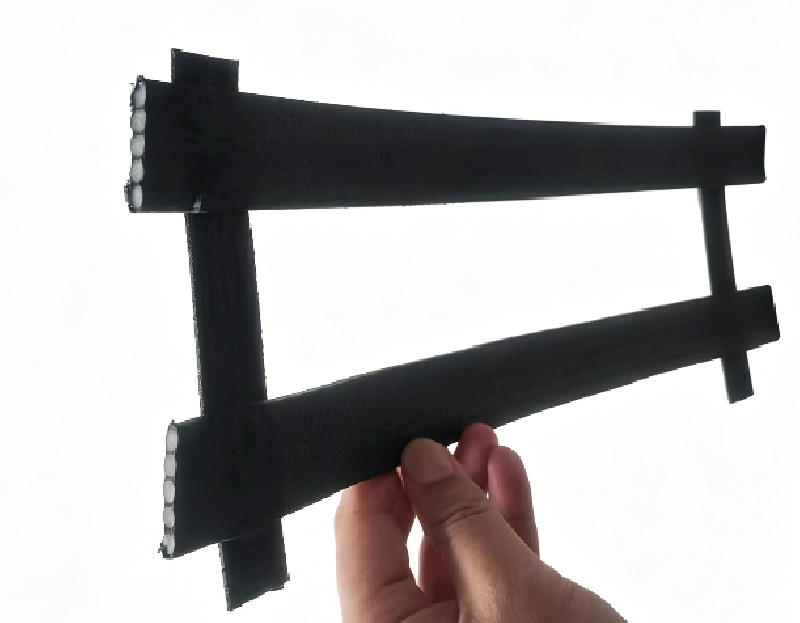 High-Strength Polyester Geogrid
ZhenLEM®High-strength polyester geogrid,(alternative to ParaGrid), is uniaxial or biaxial geogrid designed for soil reinforcement and foundation stabilization. It is widely applied in gabion retaining walls and slope protection projects.
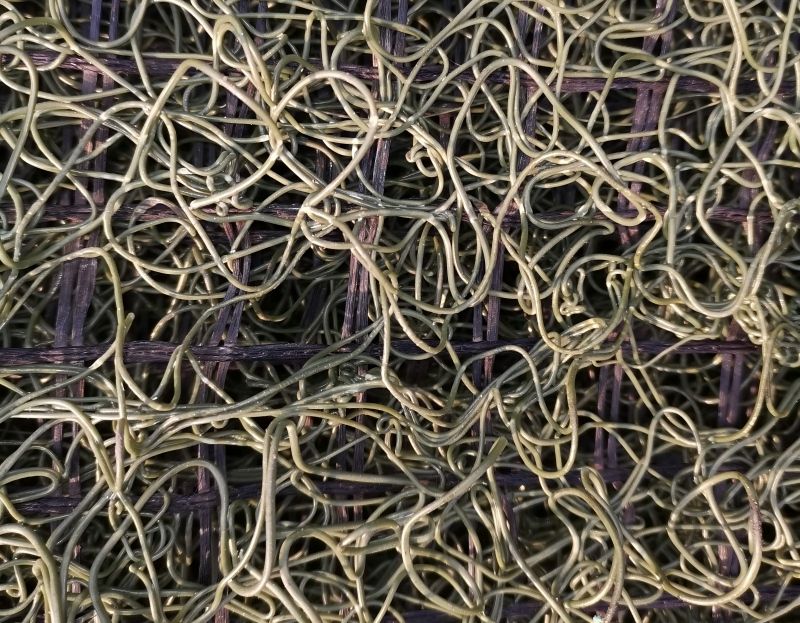 Reinforced Vegetation Mat
refers to a type of geosynthetic material that is used in civil engineering and environmental applications. Geomats are engineered to provide various functions such as soil stabilization, erosion control, and slope protection.
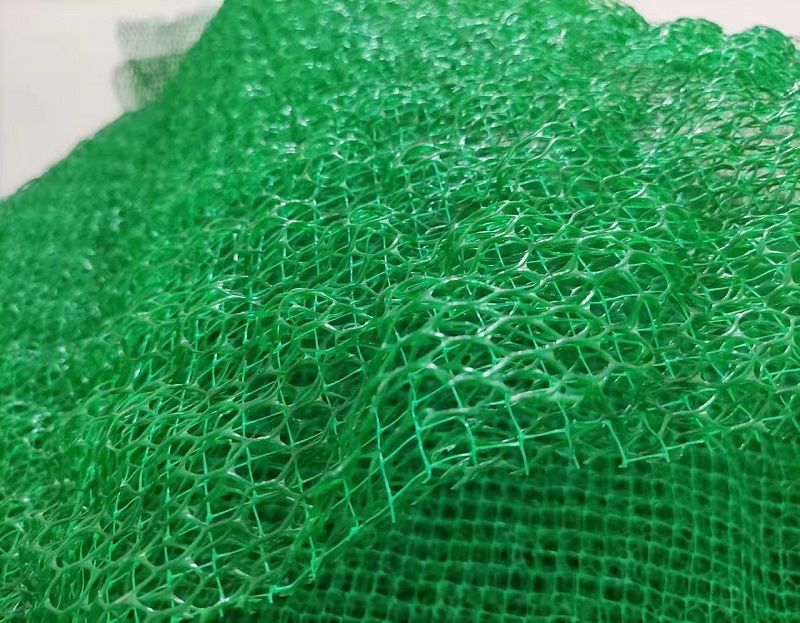 3D Geomat Erosion Control Blanket
The 3D Geomat Erosion Control Blanket is a specialized geosynthetic material designed to prevent soil erosion and stabilize slopes in civil engineering and environmental projects. It is constructed with a three-dimensional structure that provides enhanced performance in erosion control.
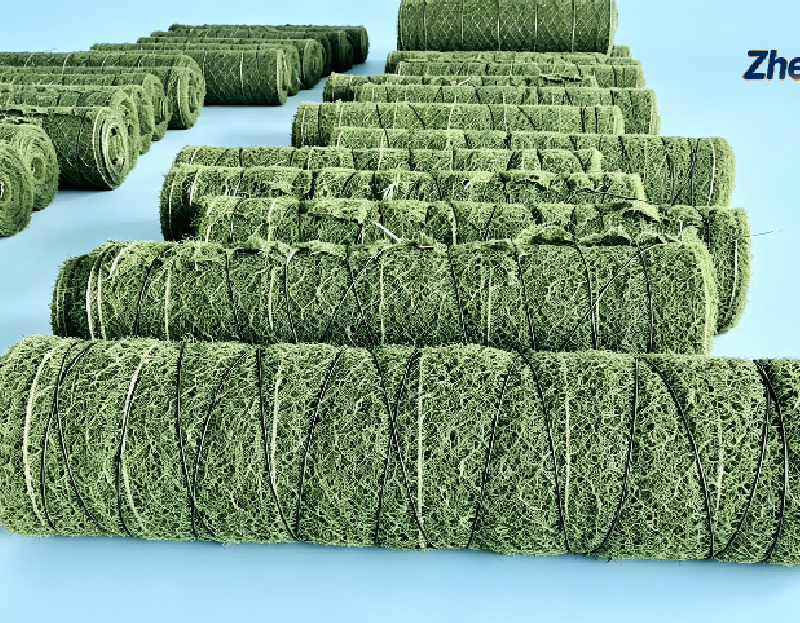 3D Geosynthetic Mat HS
Mass per unit area:600g/m²
Density: 900kg/m³
Mesh type:80X100/10X12
Wire diameter :2.7mm,2.7/3.7mm
Geomat colour:Black/Green /Brown
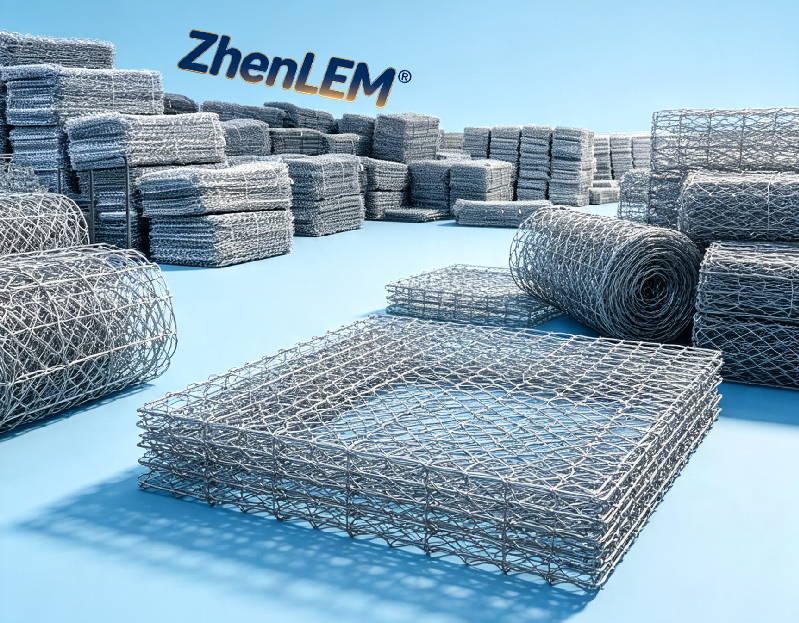
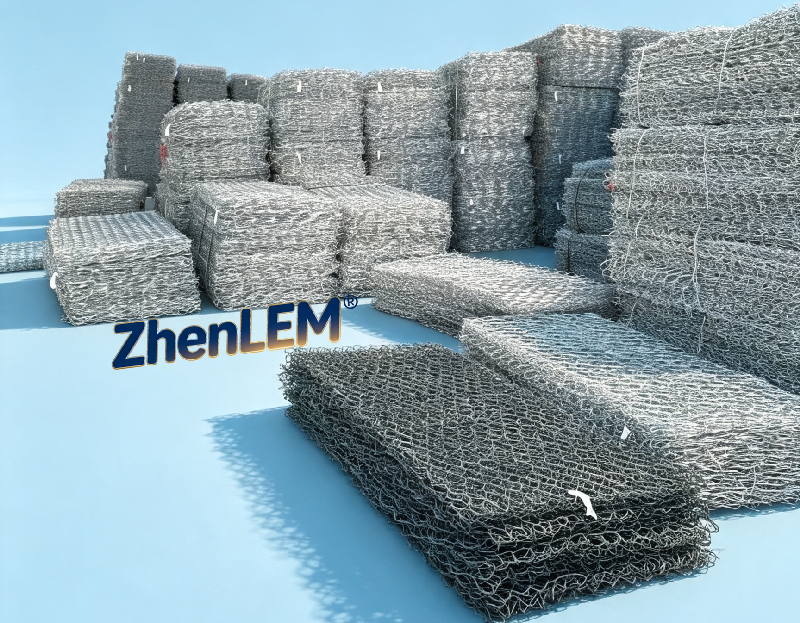 Gabion Basket
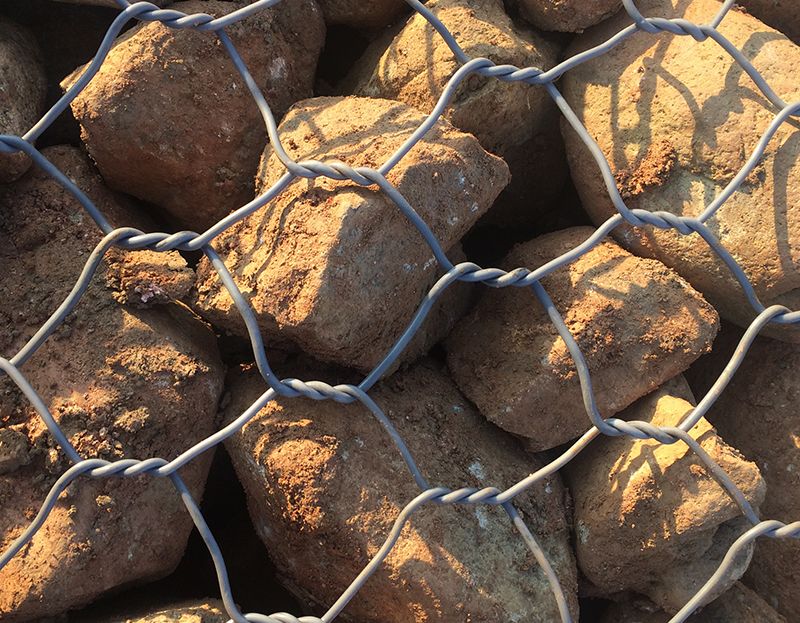
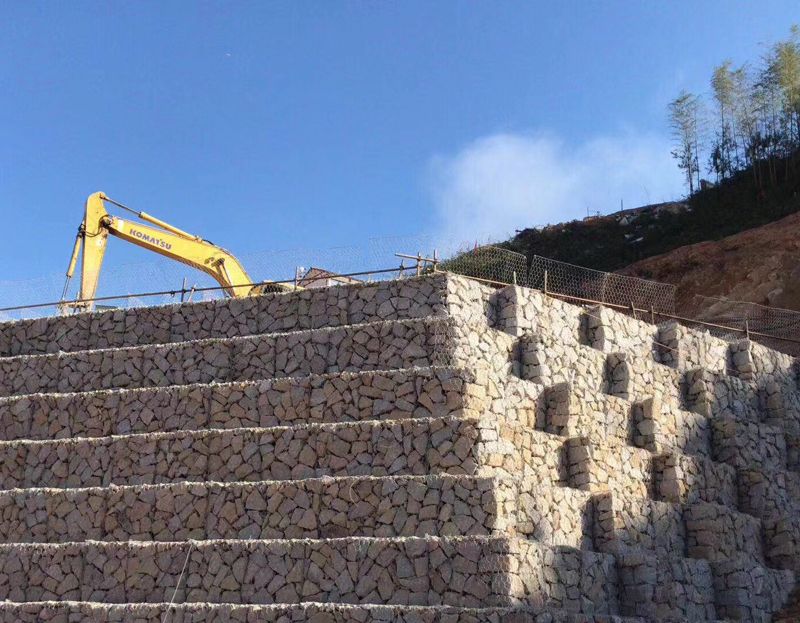
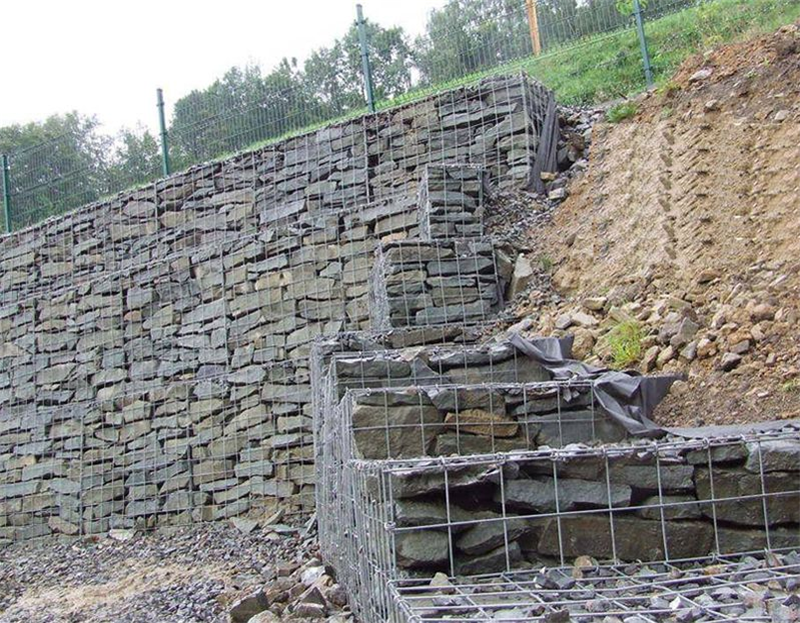
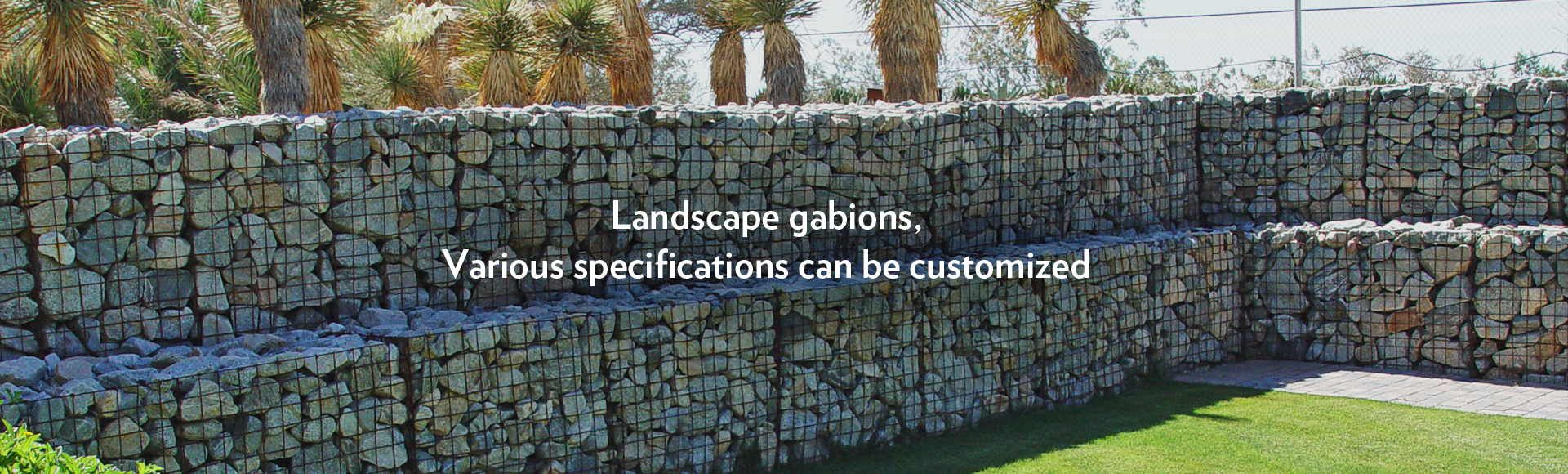
Gabion baskets have some advantages over loose riprap because of their modularity and ability to be stacked in various shapes; they are also resistant to being washed away by moving water.
Reinforced Vegetation Mat
Reinforced Vegetation Mat
refers to a type of geosynthetic material that is used in civil engineering and environmental applications. Geomats are engineered to provide various functions such as soil stabilization, erosion control, and slope protection.
3D Geomat Erosion Control Blanket
The 3D Geomat Erosion Control Blanket is a specialized geosynthetic material designed to prevent soil erosion and stabilize slopes in civil engineering and environmental projects. It is constructed with a three-dimensional structure that provides enhanced performance in erosion control.

MainProducts: Gabion Baskets for Sale, Gabions Supplier, Gabion Mattress manufacturer, Gabion Baskets Manufacturer, Welded Gabion, Custom Gabion Baskets, Gabion Landscaping, Crimped Mesh, Aluminum I Bar Grating, Slope Protection Gabion Mesh
Keywords: Road Mesh, Gabion Basket, Gabion Wall, Bastion Barrier Wall, Gabion Retaining Wall, Gabion Box

 EN