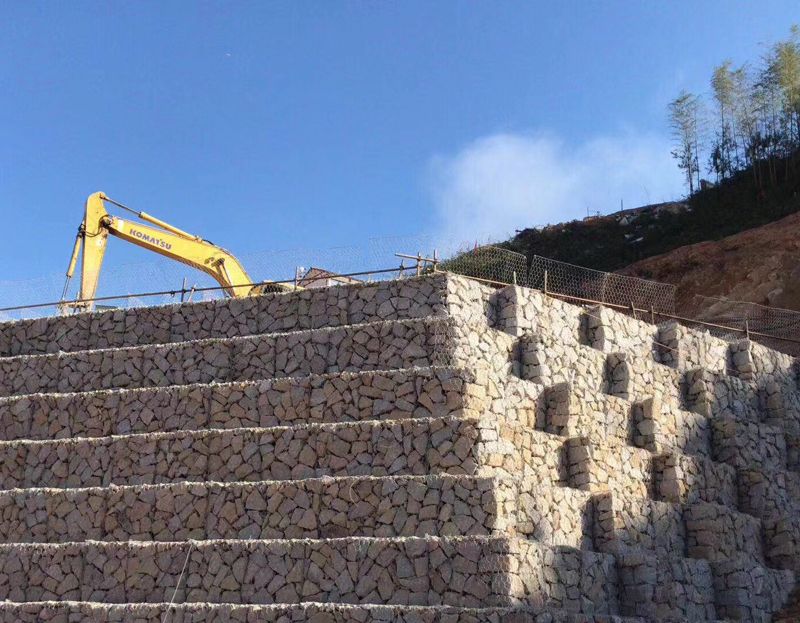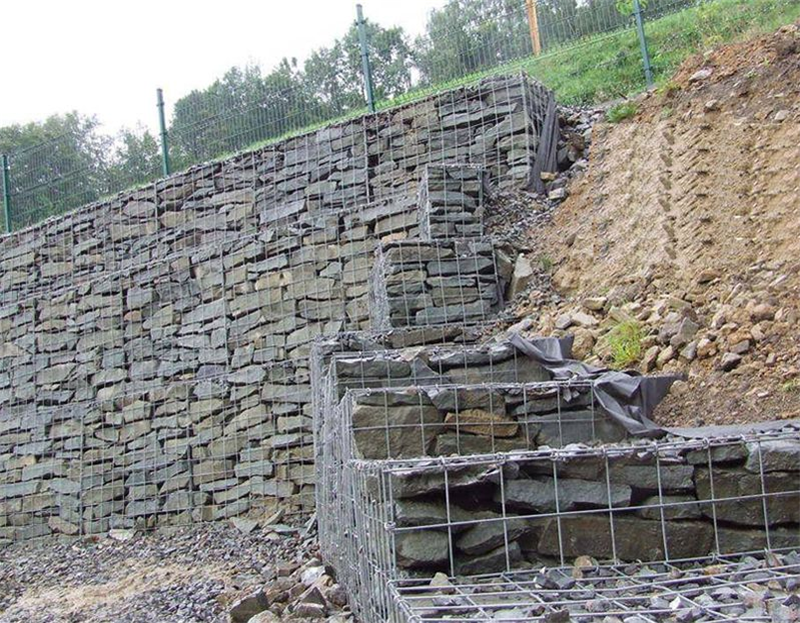
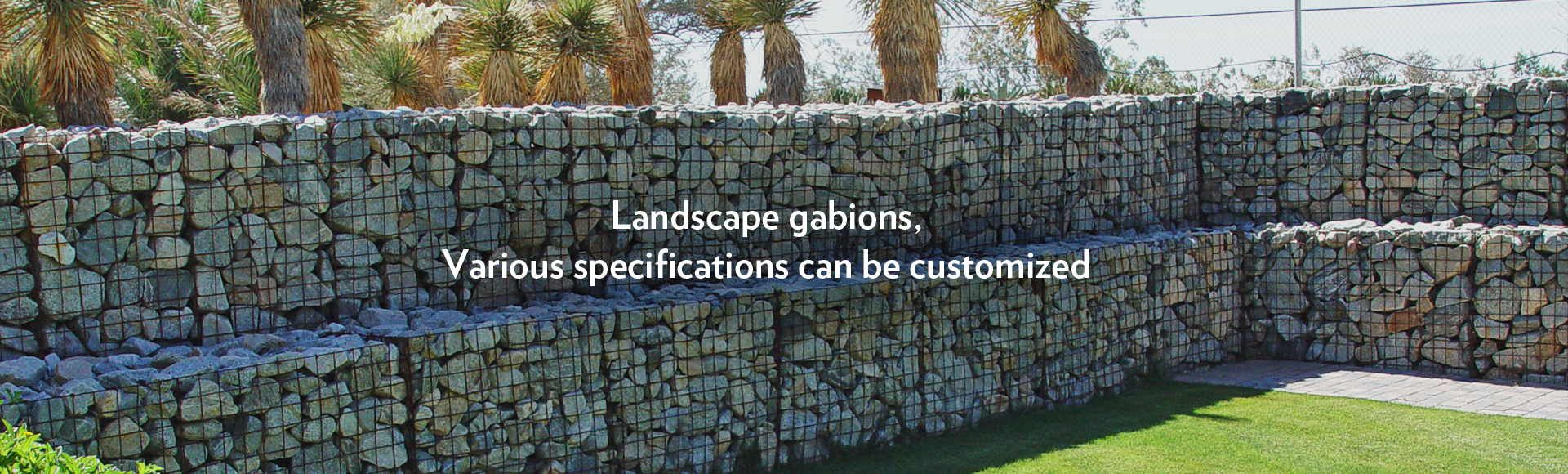
As a leading Gabion Supplier, we understand the critical role gabions play in modern construction, particularly in subgrade stabilization. With their robust structure and ecological benefits, gabions provide an effective solution for reinforcing soil and enhancing the durability of infrastructure. This article explores the advantages of using gabions, the implementation process, and essential considerations for achieving optimal results.
In conclusion, gabions present an effective and environmentally friendly solution for subgrade stabilization in various construction projects. Their adaptability, cost-effectiveness, and long-term benefits make them an ideal choice. For more information on sourcing quality gabion supplies, visit Zhenlu. By integrating gabions into your project designs, you can ensure enhanced soil stability and contribute to sustainable construction practices.
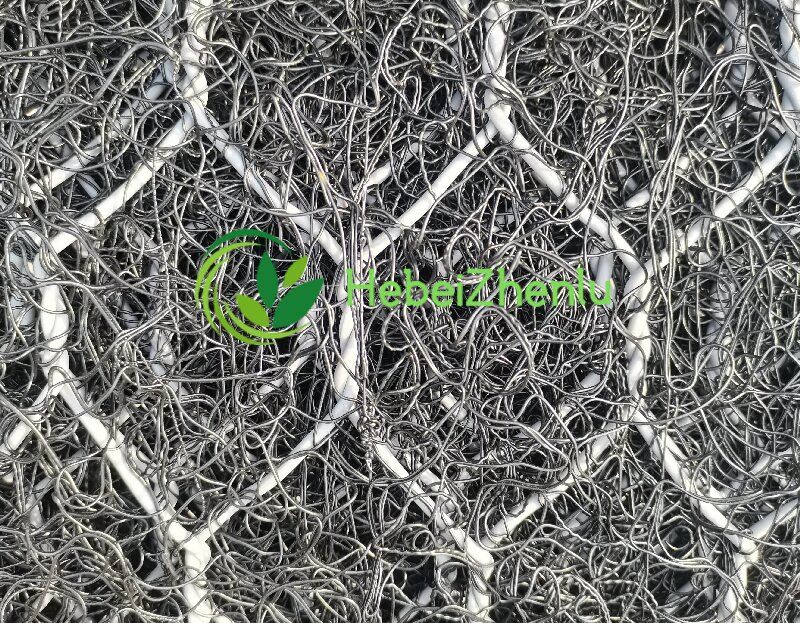 Gabion Composite Mat
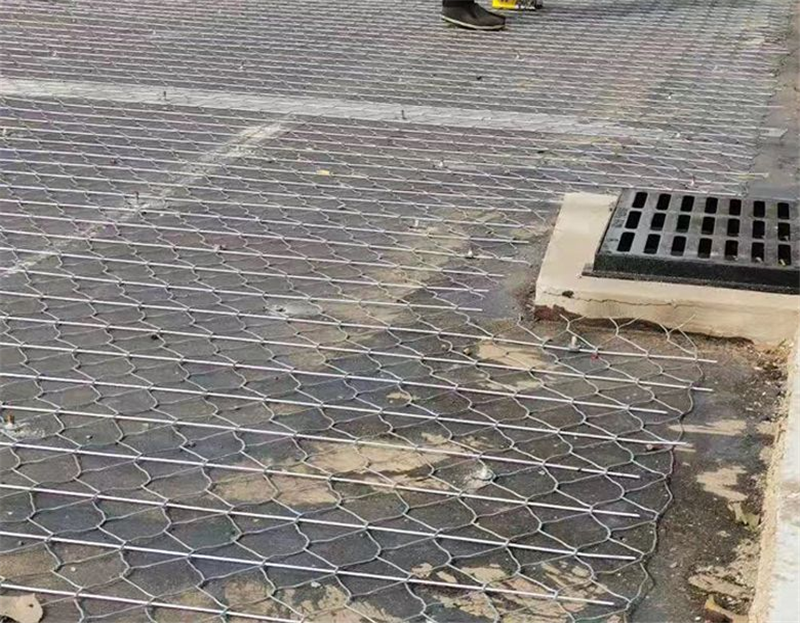
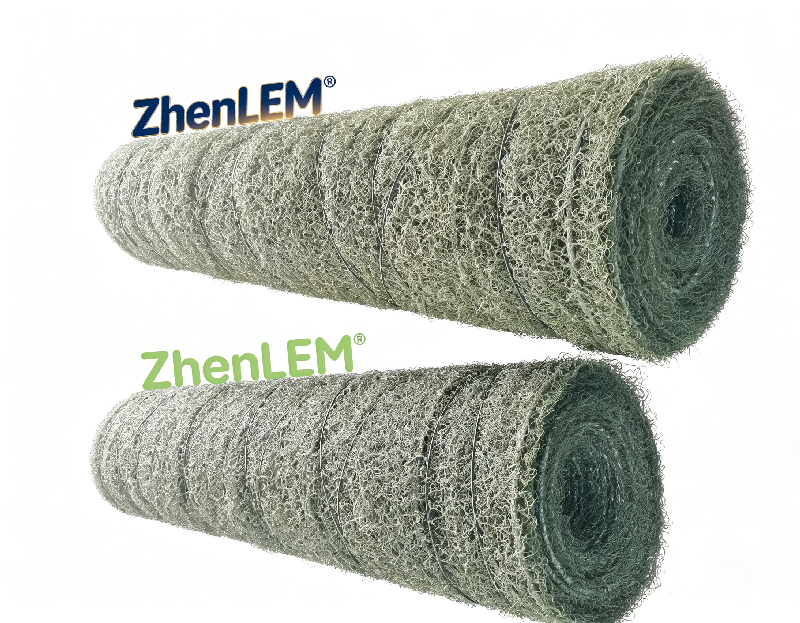
ZhenLEM® 3D Gabion composite mat is a three-dimensional turf reinforcement mat, manufactured from high-quality UV-stabilized synthetic filaments heat-tangled into an open, flexible porous matrix with porosity over 90% Gabion mesh roll.
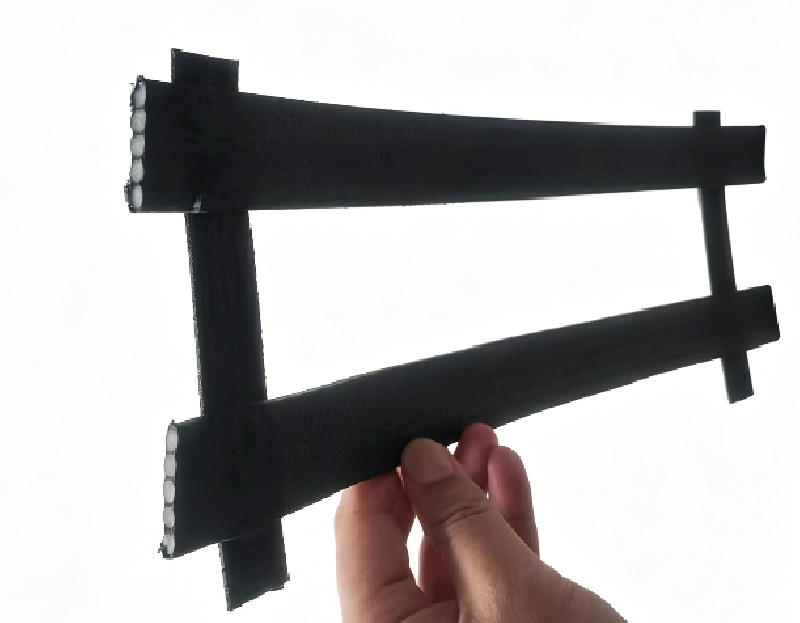 High-Strength Polyester Geogrid
ZhenLEM®High-strength polyester geogrid,(alternative to ParaGrid), is uniaxial or biaxial geogrid designed for soil reinforcement and foundation stabilization. It is widely applied in gabion retaining walls and slope protection projects.
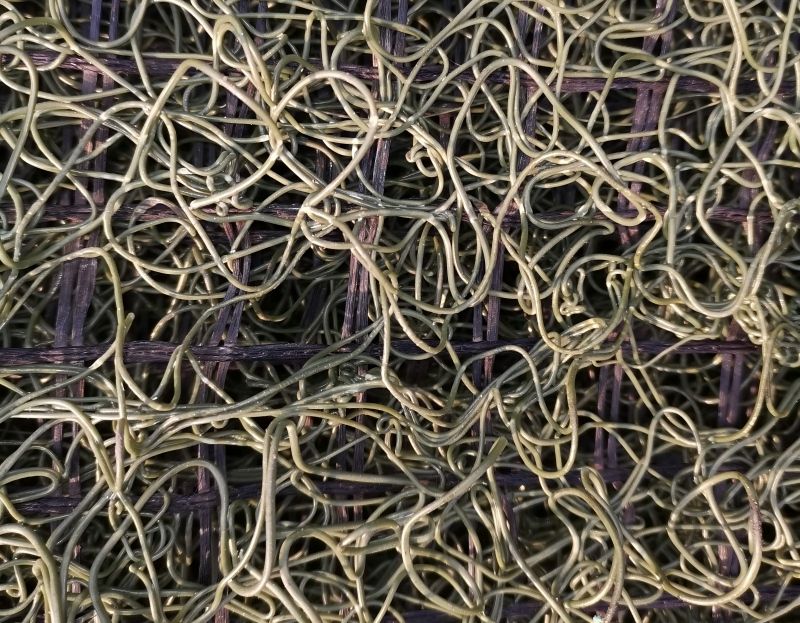 Reinforced Vegetation Mat
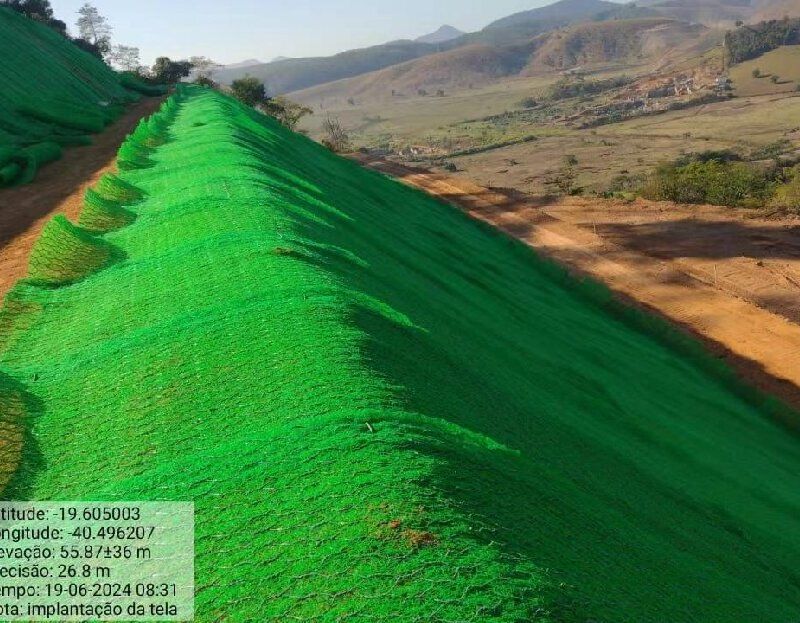
refers to a type of geosynthetic material that is used in civil engineering and environmental applications. Geomats are engineered to provide various functions such as soil stabilization, erosion control, and slope protection.
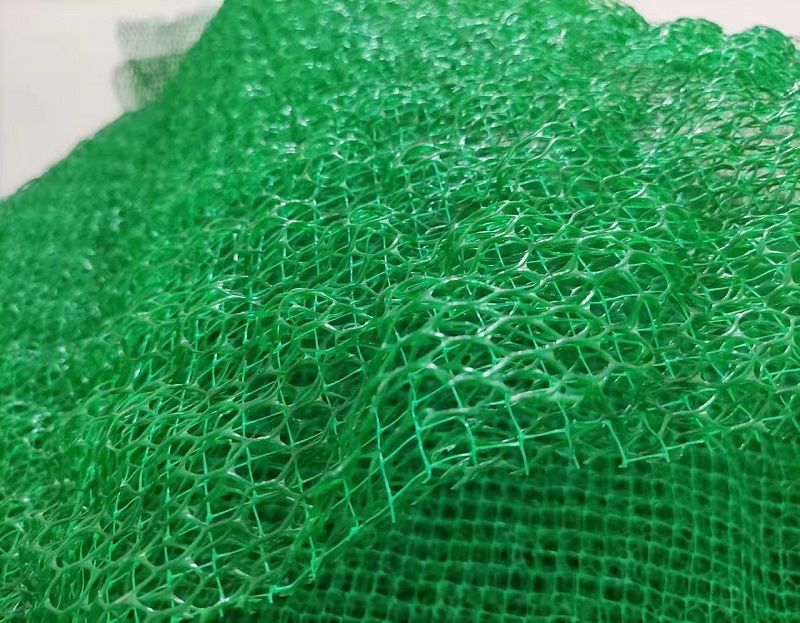 3D Geomat Erosion Control Blanket
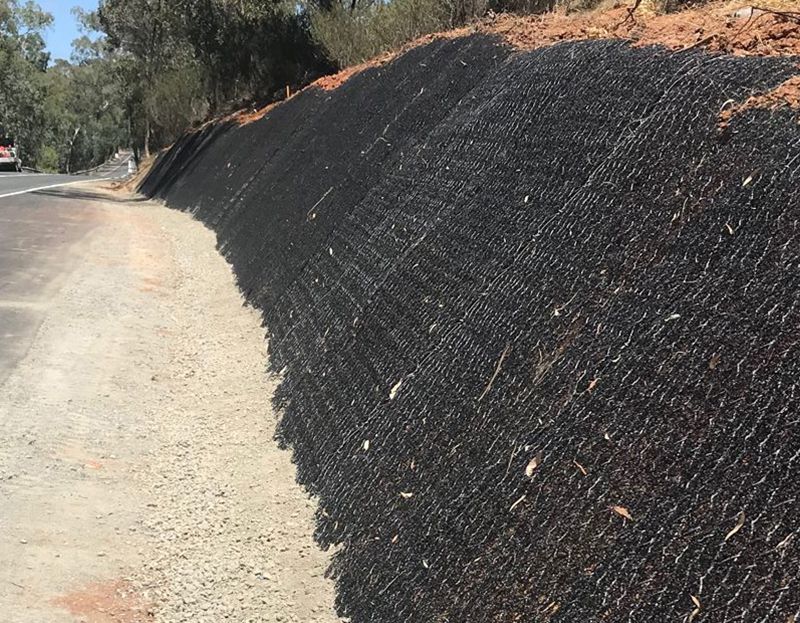
The 3D Geomat Erosion Control Blanket is a specialized geosynthetic material designed to prevent soil erosion and stabilize slopes in civil engineering and environmental projects. It is constructed with a three-dimensional structure that provides enhanced performance in erosion control.
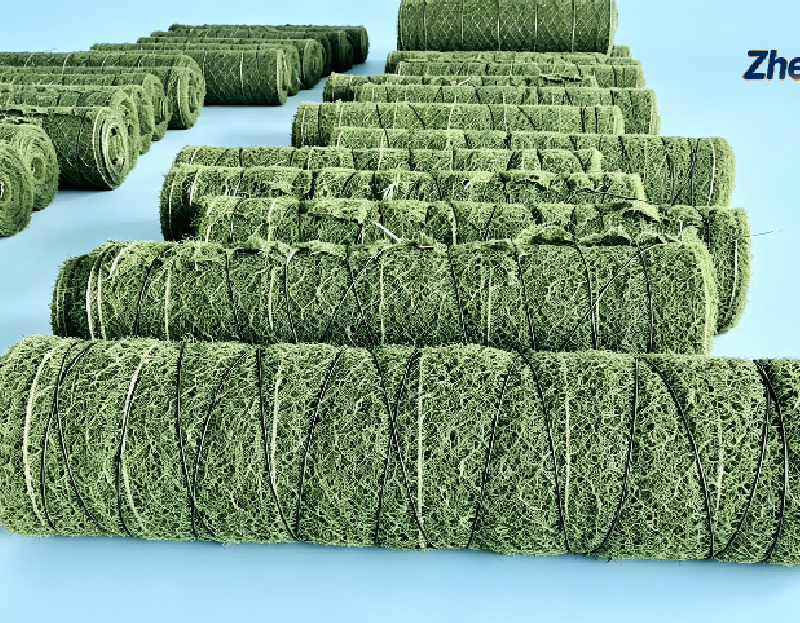 3D Geosynthetic Mat HS
Mass per unit area:600g/m²
Density: 900kg/m³
Mesh type:80X100/10X12
Wire diameter :2.7mm,2.7/3.7mm
Geomat colour:Black/Green /Brown
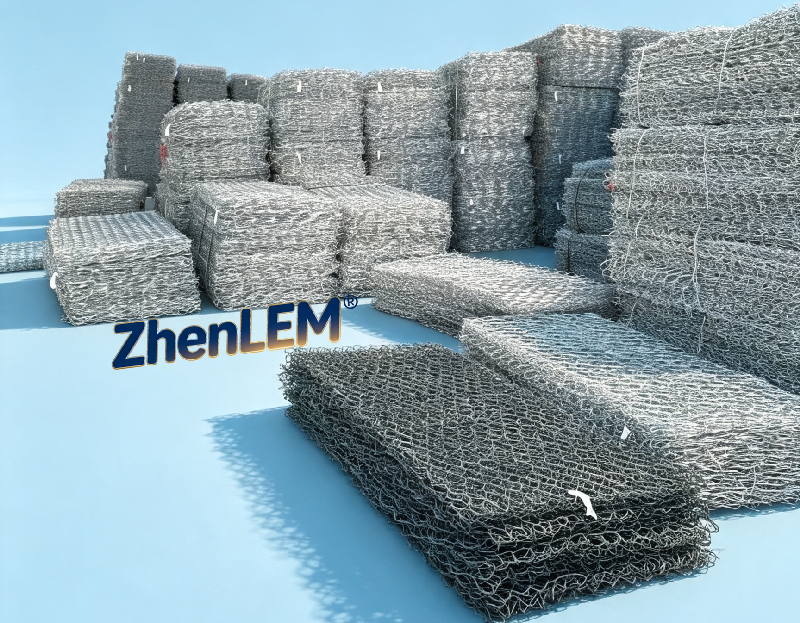 Gabion Basket
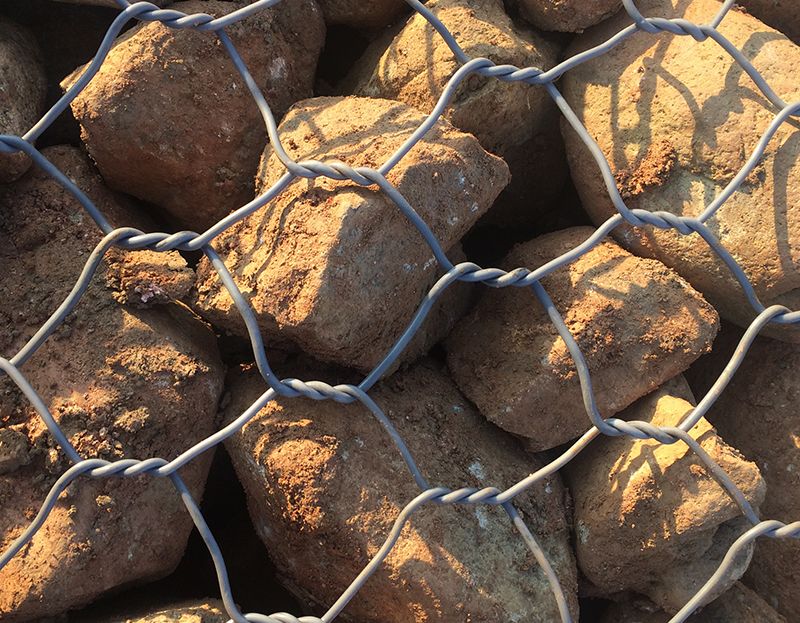
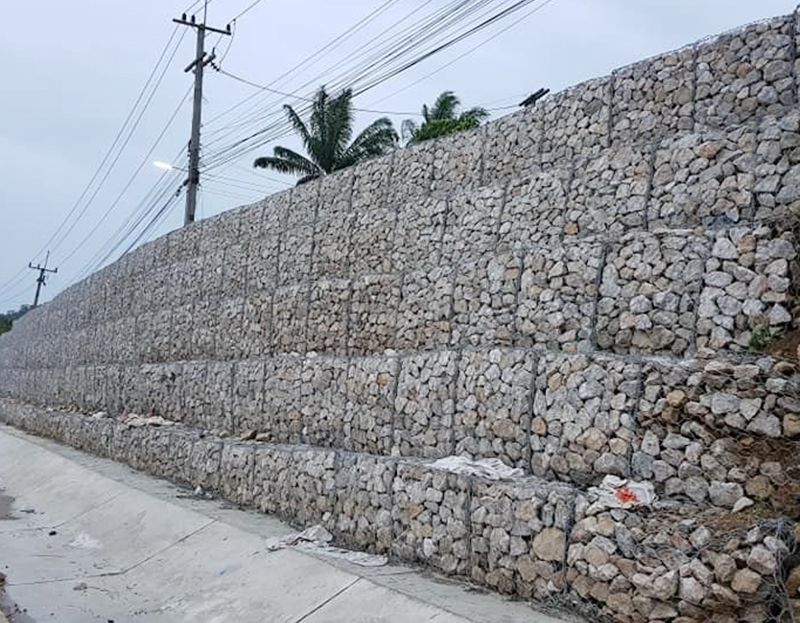
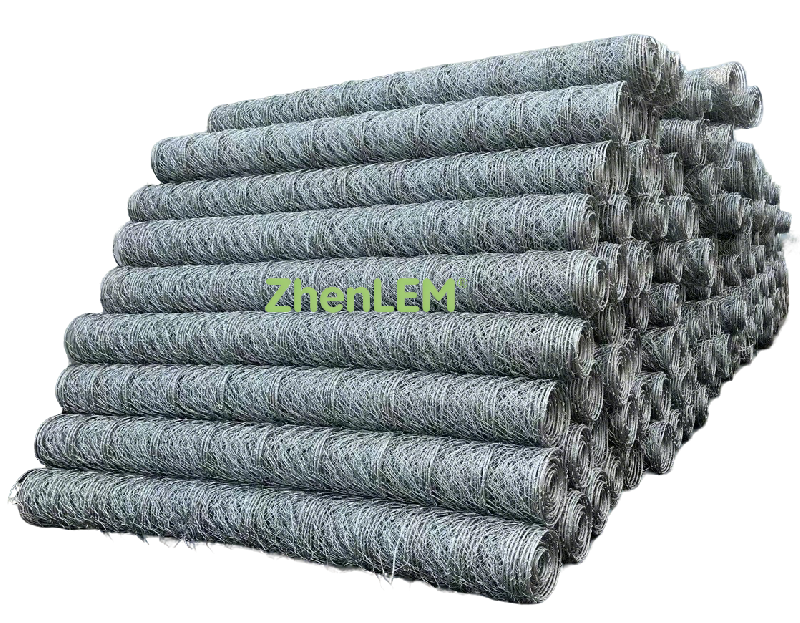
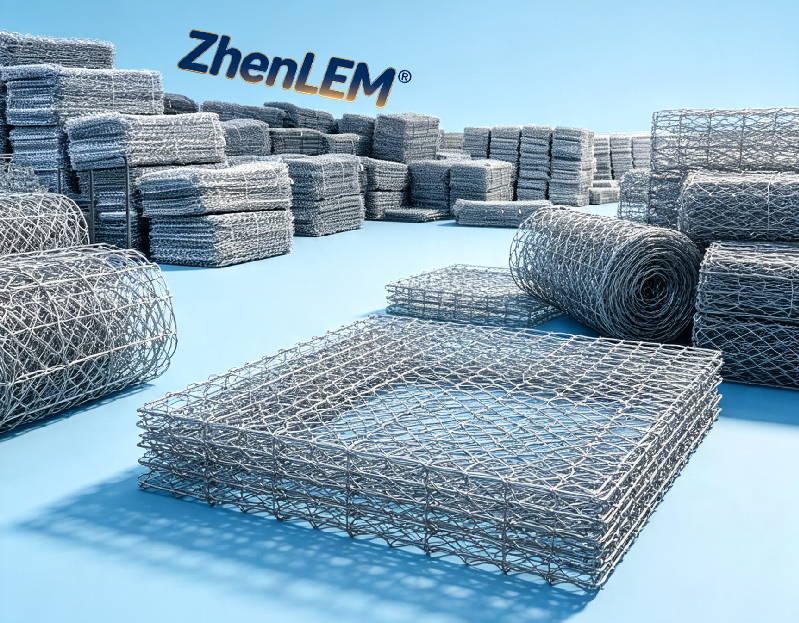
Gabion baskets have some advantages over loose riprap because of their modularity and ability to be stacked in various shapes; they are also resistant to being washed away by moving water.
Reinforced Vegetation Mat
Reinforced Vegetation Mat
refers to a type of geosynthetic material that is used in civil engineering and environmental applications. Geomats are engineered to provide various functions such as soil stabilization, erosion control, and slope protection.
3D Geomat Erosion Control Blanket
The 3D Geomat Erosion Control Blanket is a specialized geosynthetic material designed to prevent soil erosion and stabilize slopes in civil engineering and environmental projects. It is constructed with a three-dimensional structure that provides enhanced performance in erosion control.

MainProducts: Gabion Baskets for Sale, Gabions Supplier, Gabion Mattress manufacturer, Gabion Baskets Manufacturer, Welded Gabion, Custom Gabion Baskets, Gabion Landscaping, Crimped Mesh, Aluminum I Bar Grating, Slope Protection Gabion Mesh
Keywords: Road Mesh, Gabion Basket, Gabion Wall, Bastion Barrier Wall, Gabion Retaining Wall, Gabion Box

 EN