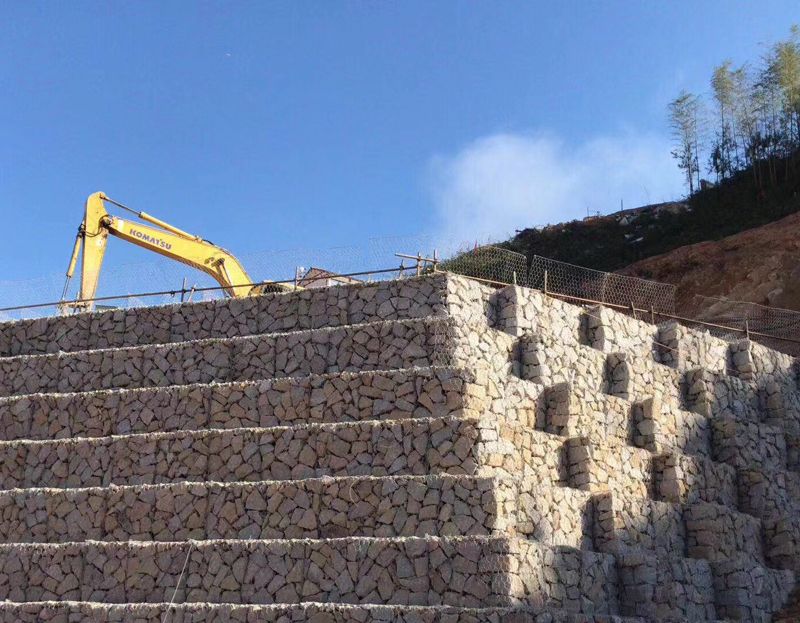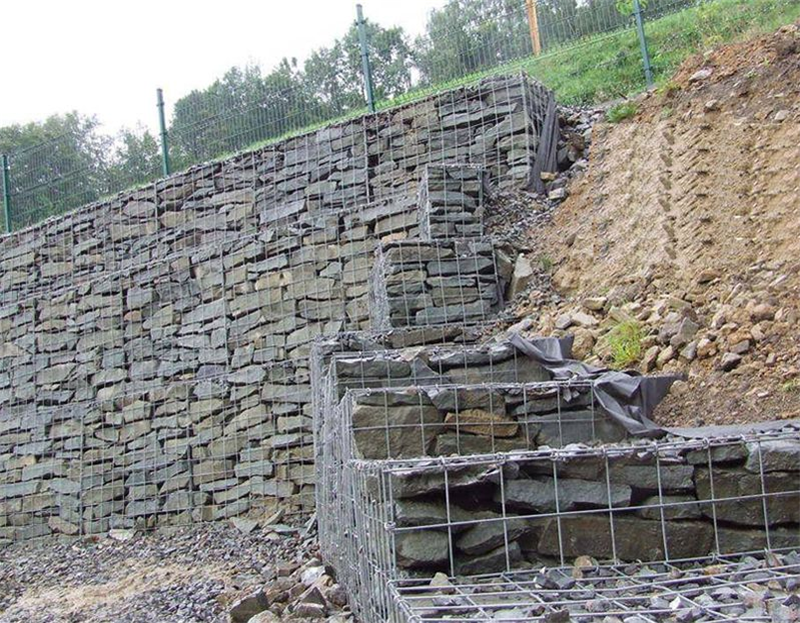
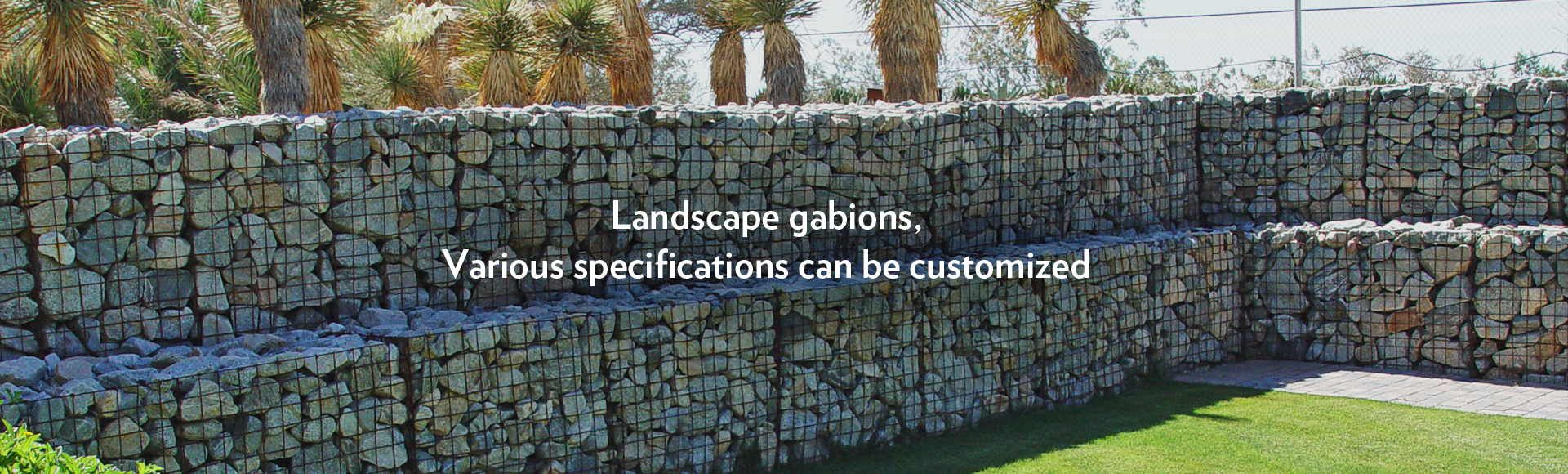
In the landscape of modern construction and environmental protection, gabion systems have become increasingly significant. These wire mesh containers filled with rocks or concrete are quickly gaining traction as effective solutions for erosion control and structural reinforcement. They address critical challenges faced by civil engineers and environmentalists, ranging from soil erosion due to heavy rainfall to the need for robust structural support. The current market reflects growing interest in gabions, evidenced by reports from industry leaders such as the International Erosion Control Association. The ability of these systems to effectively manage water flow while enhancing structural stability makes them essential in the fight against land degradation.

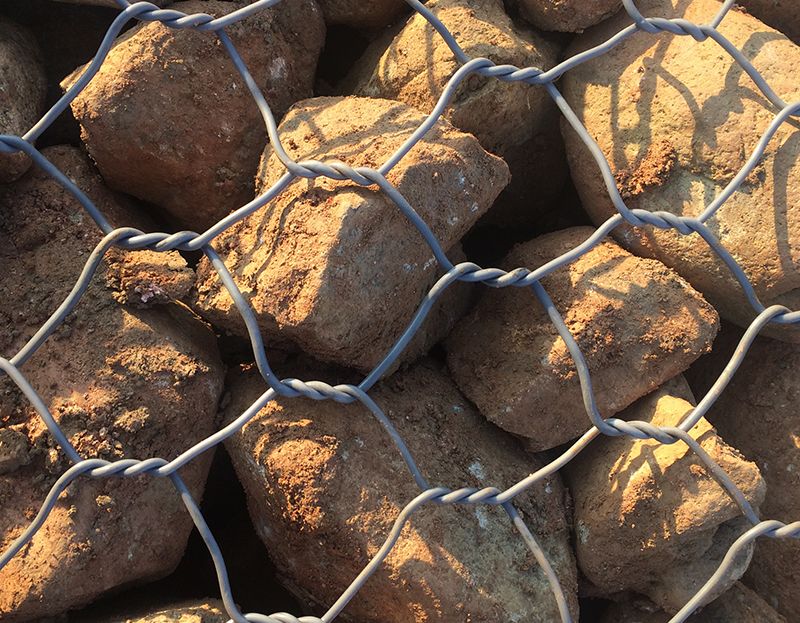
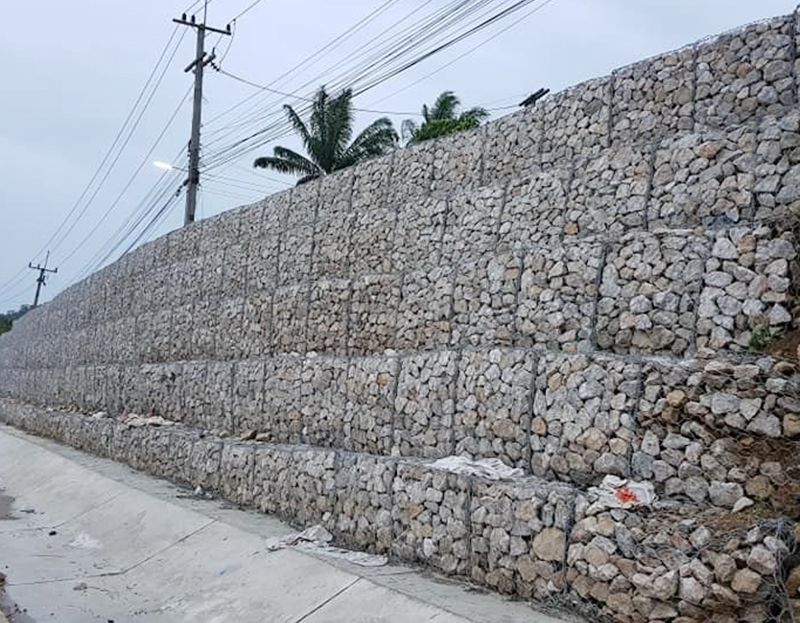
Gabion systems refer to wire mesh cages that are filled with rock, stone, or other materials to create structures used primarily for erosion control. The term "gabion" originates from the Italian word "gabbione," meaning "big cage." In civil engineering, gabions are employed not only for erosion control but also as flexible structures that can adjust to varying environmental conditions. The term "retaining structure" is commonly used in conjunction with gabions, signifying their role in holding back soil or water.
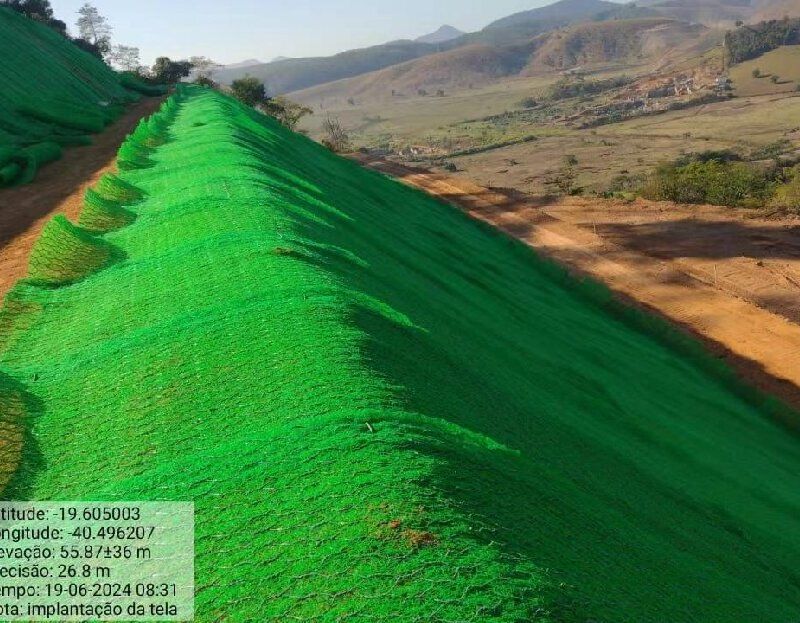
Studies show that using gabion systems can effectively reduce soil erosion rates by as much as 50%. In various applications, this structured solution is often paired with vegetation planting, enhancing stability further. Gabion structures also stand out in their capacity for adaptability to soil types and water pressures, ensuring longevity and resilience.
Gabion systems find utility in a range of applications, including:
The importance of gabion systems in modern construction cannot be overstated. Their key advantages include:
Gabion systems are more than just erosion control tools; they represent a shift toward sustainable construction practices. By providing viable solutions for both environmental protection and structural integrity, gabions bridge the gap between functionality and ecological responsibility.
For those interested in exploring gabion systems further, we recommend examining user guides that detail installation procedures, maintenance tips, and material considerations. Brands like Zhenlu offer a variety of gabion products designed for different applications, promising both quality and efficiency.
What are the primary uses of gabion systems?
Gabion systems are primarily used for erosion control, retaining walls, slope stabilization, and decorative landscaping.
How do gabions compare to traditional retaining wall materials?
Gabions tend to be 30% less expensive than traditional concrete options and offer superior adaptability to environmental changes.
Are gabion systems eco-friendly?
Yes, gabion systems utilize natural materials, minimizing the environmental footprint associated with construction.
Feeling ready to tackle your erosion control or structural needs? Explore further by reaching out to a gabion supplier like Zhenlu for products that suit your specific requirements. Engage with the latest industry reports and testimonials to discover how gabion systems can bring their benefits to your projects.
By understanding the applications and advantages of gabion systems, you are equipped to make informed decisions on how best to utilize these structures in your construction efforts.
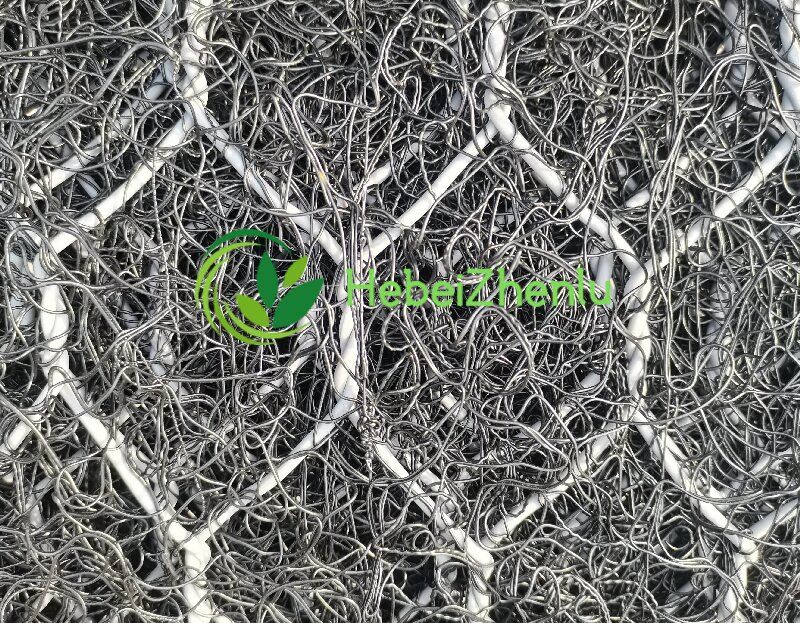 Gabion Composite Mat
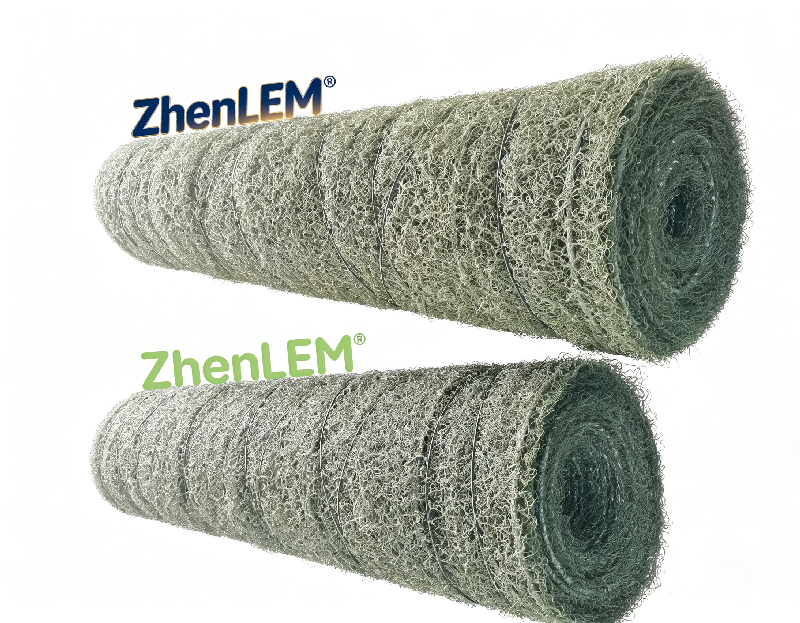
ZhenLEM® 3D Gabion composite mat is a three-dimensional turf reinforcement mat, manufactured from high-quality UV-stabilized synthetic filaments heat-tangled into an open, flexible porous matrix with porosity over 90% Gabion mesh roll.
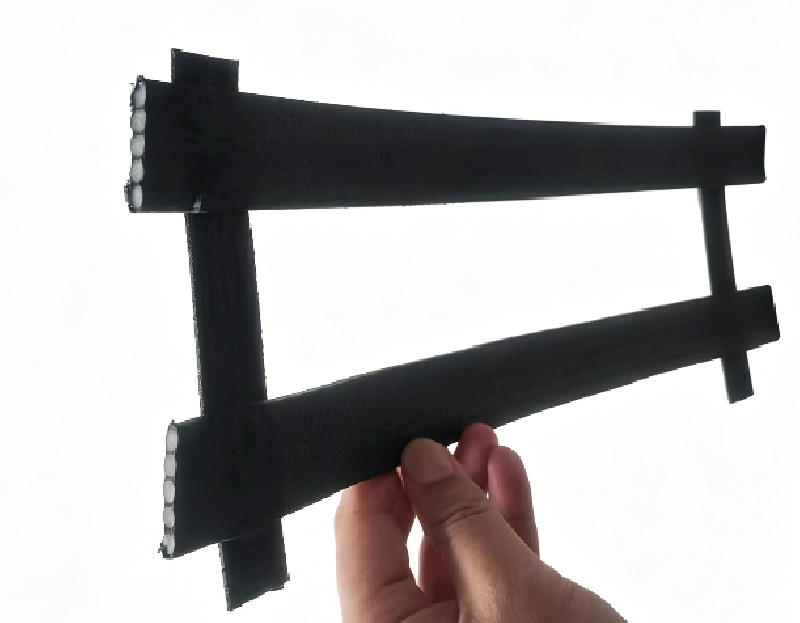 High-Strength Polyester Geogrid
ZhenLEM®High-strength polyester geogrid,(alternative to ParaGrid), is uniaxial or biaxial geogrid designed for soil reinforcement and foundation stabilization. It is widely applied in gabion retaining walls and slope protection projects.
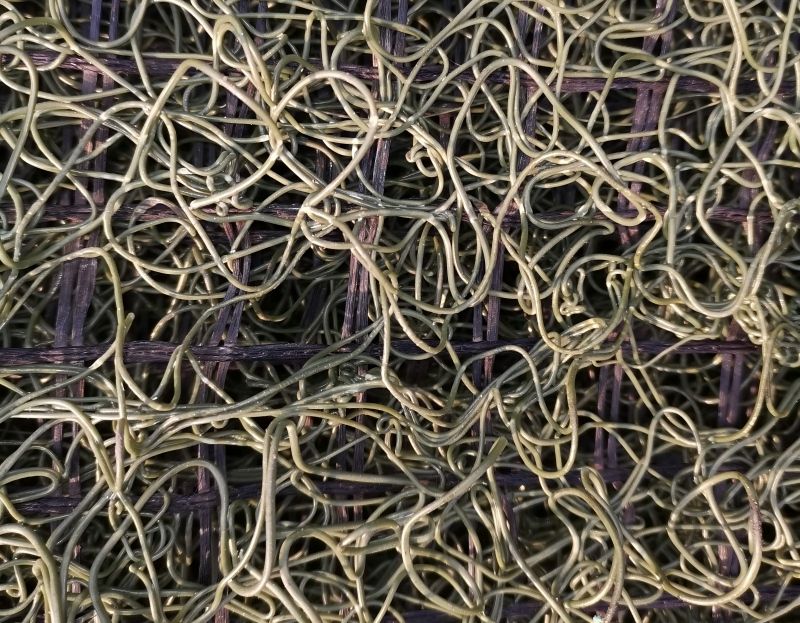 Reinforced Vegetation Mat
refers to a type of geosynthetic material that is used in civil engineering and environmental applications. Geomats are engineered to provide various functions such as soil stabilization, erosion control, and slope protection.
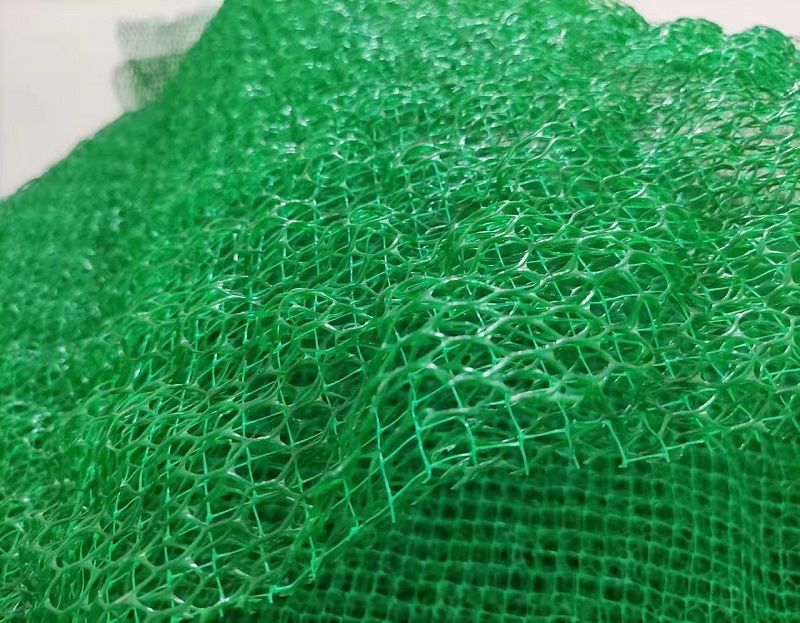 3D Geomat Erosion Control Blanket
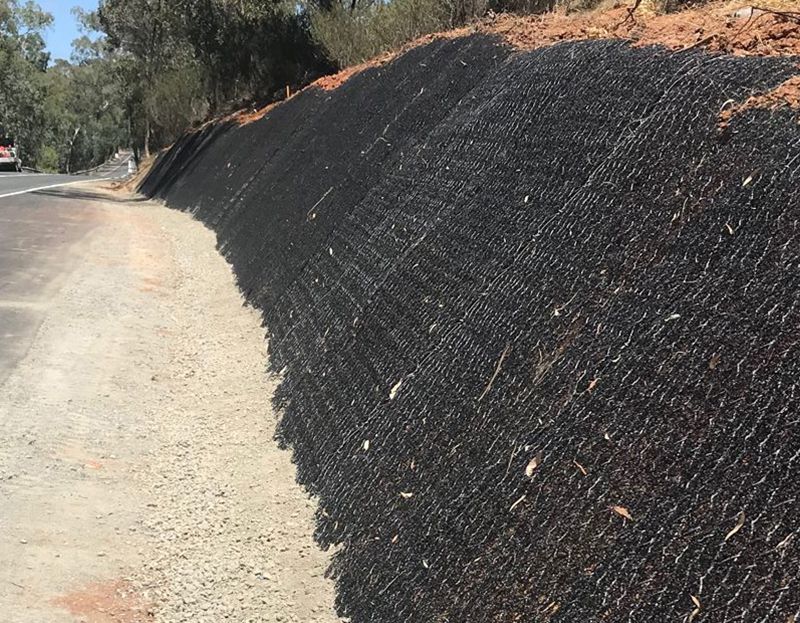
The 3D Geomat Erosion Control Blanket is a specialized geosynthetic material designed to prevent soil erosion and stabilize slopes in civil engineering and environmental projects. It is constructed with a three-dimensional structure that provides enhanced performance in erosion control.
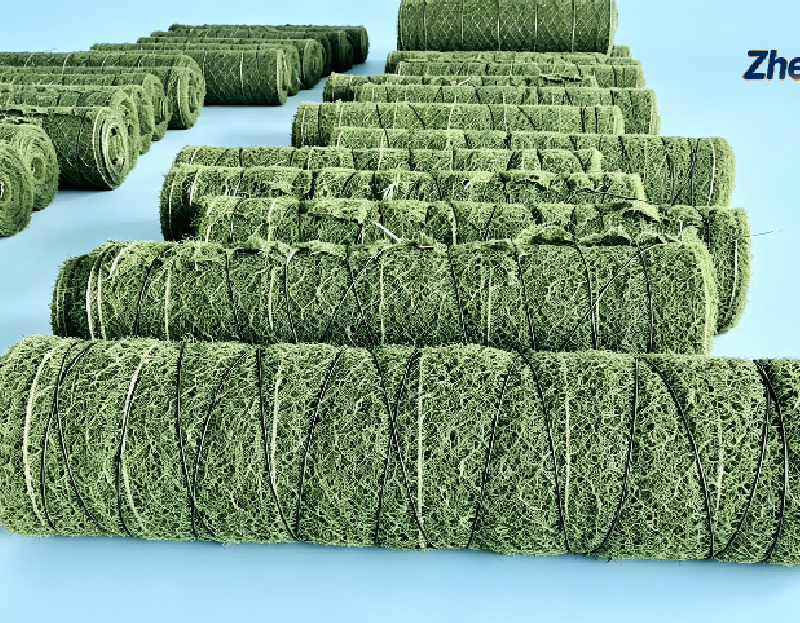 3D Geosynthetic Mat HS
Mass per unit area:600g/m²
Density: 900kg/m³
Mesh type:80X100/10X12
Wire diameter :2.7mm,2.7/3.7mm
Geomat colour:Black/Green /Brown
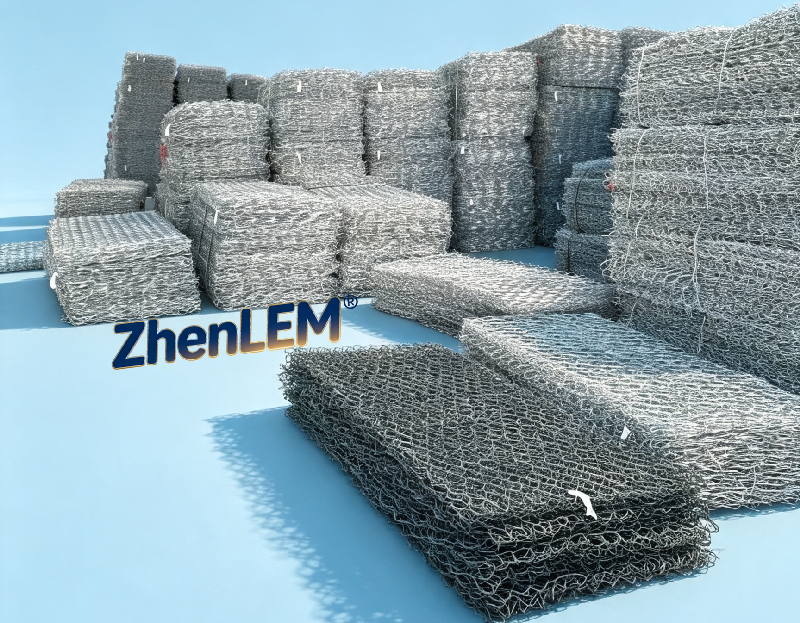 Gabion Basket
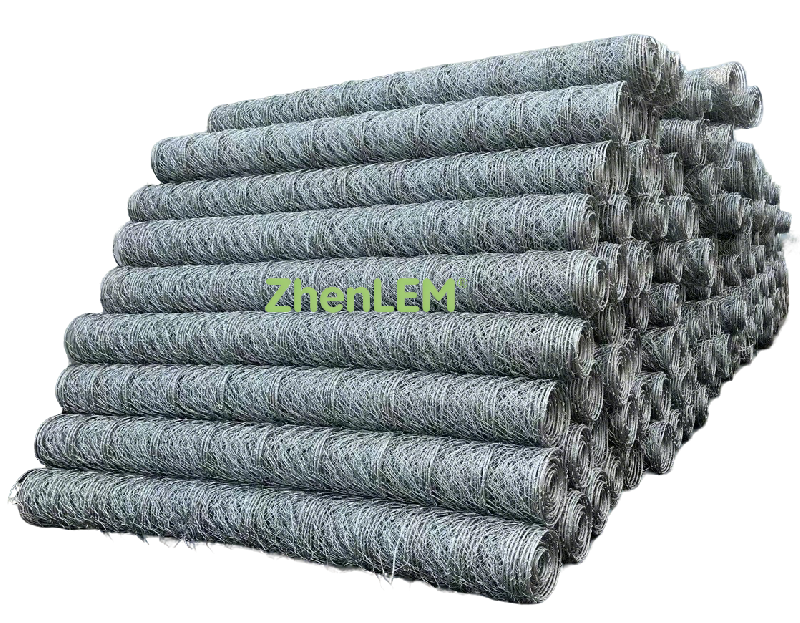
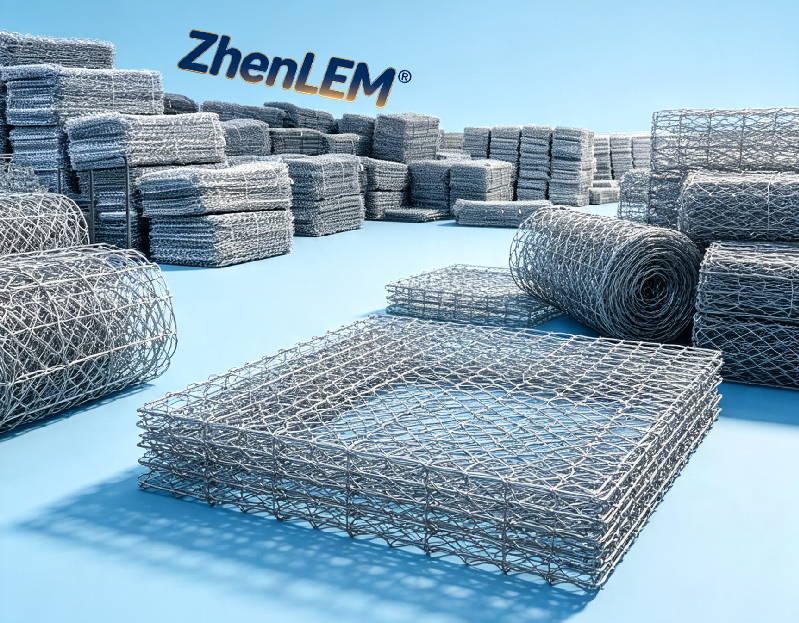
Gabion baskets have some advantages over loose riprap because of their modularity and ability to be stacked in various shapes; they are also resistant to being washed away by moving water.
Reinforced Vegetation Mat
Reinforced Vegetation Mat
refers to a type of geosynthetic material that is used in civil engineering and environmental applications. Geomats are engineered to provide various functions such as soil stabilization, erosion control, and slope protection.
3D Geomat Erosion Control Blanket
The 3D Geomat Erosion Control Blanket is a specialized geosynthetic material designed to prevent soil erosion and stabilize slopes in civil engineering and environmental projects. It is constructed with a three-dimensional structure that provides enhanced performance in erosion control.

MainProducts: Gabion Baskets for Sale, Gabions Supplier, Gabion Mattress manufacturer, Gabion Baskets Manufacturer, Welded Gabion, Custom Gabion Baskets, Gabion Landscaping, Crimped Mesh, Aluminum I Bar Grating, Slope Protection Gabion Mesh
Keywords: Road Mesh, Gabion Basket, Gabion Wall, Bastion Barrier Wall, Gabion Retaining Wall, Gabion Box

 EN