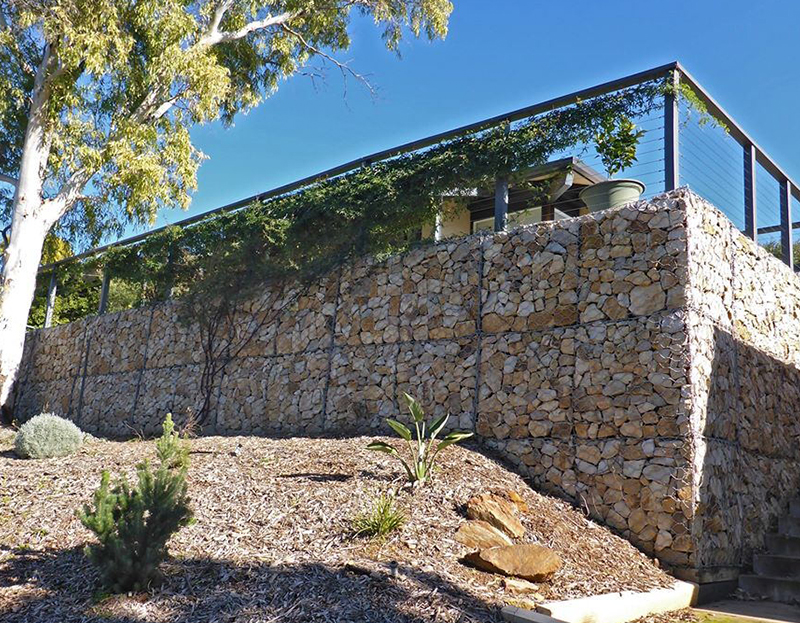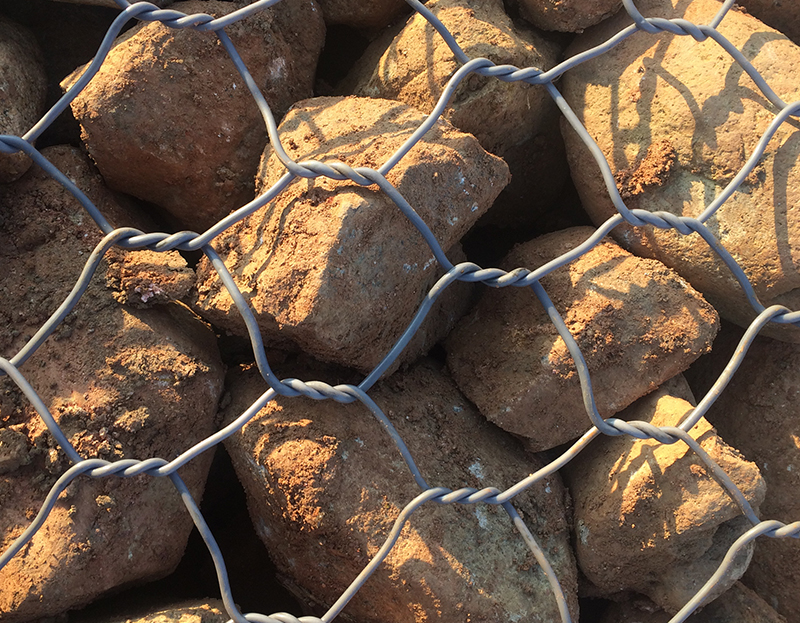

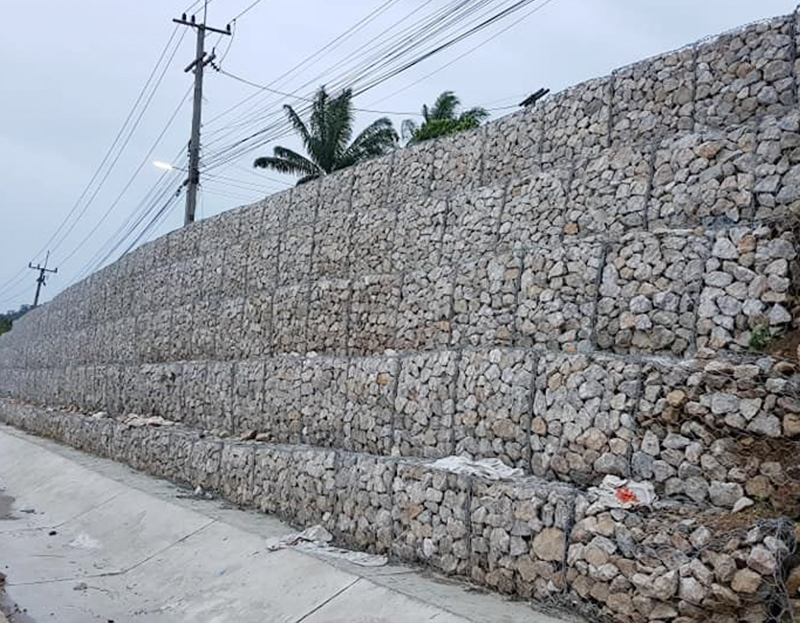
Gabion walls are structures made from wire mesh cages filled with rocks, stones, or gravel. They are often used for erosion control, retaining walls, and landscaping. Their strength depends on various factors, including the materials used and the construction method.
The weight capacity of a gabion wall determines its effectiveness and safety. Understanding how much weight your gabion wall can support is crucial for ensuring long-term stability and preventing potential failures.
The strength and type of materials used in the gabion wall significantly affect its weight capacity.
The thickness, height, and length of the gabion wall play crucial roles in determining its capacity. Larger walls can typically support more weight than smaller ones.
Before you start, gather the following tools:
Measure the height, length, and width of your gabion wall. This will help you calculate the total volume and weight supported by the structure.
Identify the material used in the gabion wall. Look up its weight-bearing capacity and hardware specifications to understand the overall strength of the structure.
Refer to structural guidelines or standards relevant to gabion walls. These will provide you with formulas to calculate the potential weight capacity based on your measurements and material specifications.
If possible, conduct load tests on the wall to ensure it meets safety standards. This involves applying weight incrementally to evaluate how the wall withstands pressure.
Failing to assess soil stability can lead to wall failure. Always conduct soil tests before construction.
Choosing low-quality materials can compromise the wall's strength. Invest in high-quality stones and durable wire mesh.
Incorrect installation methods can lead to structural weaknesses. Ensure proper stacking and filling techniques are followed.
Understanding the weight capacity of a gabion wall is essential for successful construction and long-term stability. Always consider factors such as material strength and wall dimensions. For reliable gabion products, consider partnering with a reputable Gabion Supplier like Zhenlu to ensure quality and safety in your projects. Learn more about our products at Zhenlu Gabion Solutions.
Oct. 31, 2026
Oct. 24, 2026
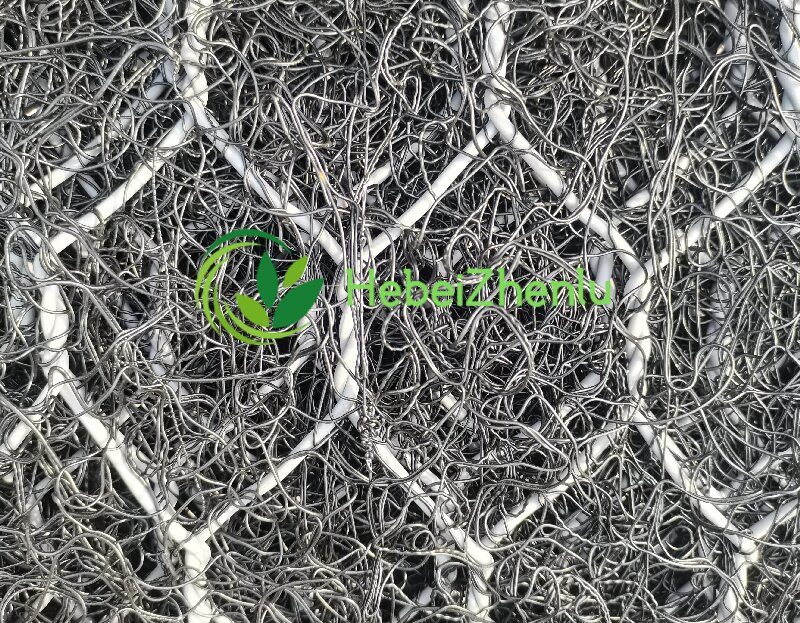 Gabion Composite Mat
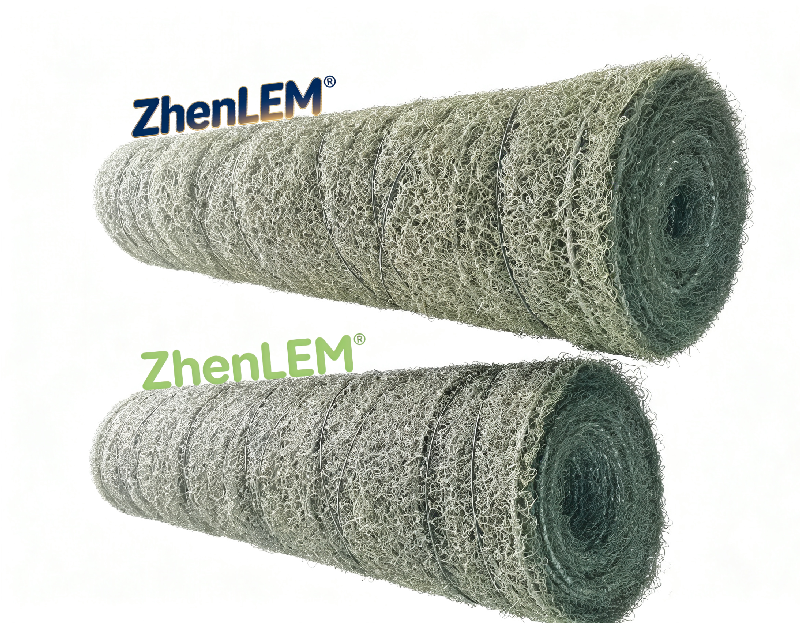
ZhenLEM® 3D Gabion composite mat is a three-dimensional turf reinforcement mat, manufactured from high-quality UV-stabilized synthetic filaments heat-tangled into an open, flexible porous matrix with porosity over 90% Gabion mesh roll.
 High-Strength Polyester Geogrid
ZhenLEM®High-strength polyester geogrid,(alternative to ParaGrid), is uniaxial or biaxial geogrid designed for soil reinforcement and foundation stabilization. It is widely applied in gabion retaining walls and slope protection projects.
 Reinforced Vegetation Mat
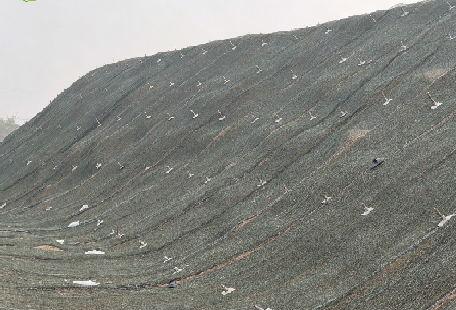
refers to a type of geosynthetic material that is used in civil engineering and environmental applications. Geomats are engineered to provide various functions such as soil stabilization, erosion control, and slope protection.
 3D Geomat Erosion Control Blanket
The 3D Geomat Erosion Control Blanket is a specialized geosynthetic material designed to prevent soil erosion and stabilize slopes in civil engineering and environmental projects. It is constructed with a three-dimensional structure that provides enhanced performance in erosion control.
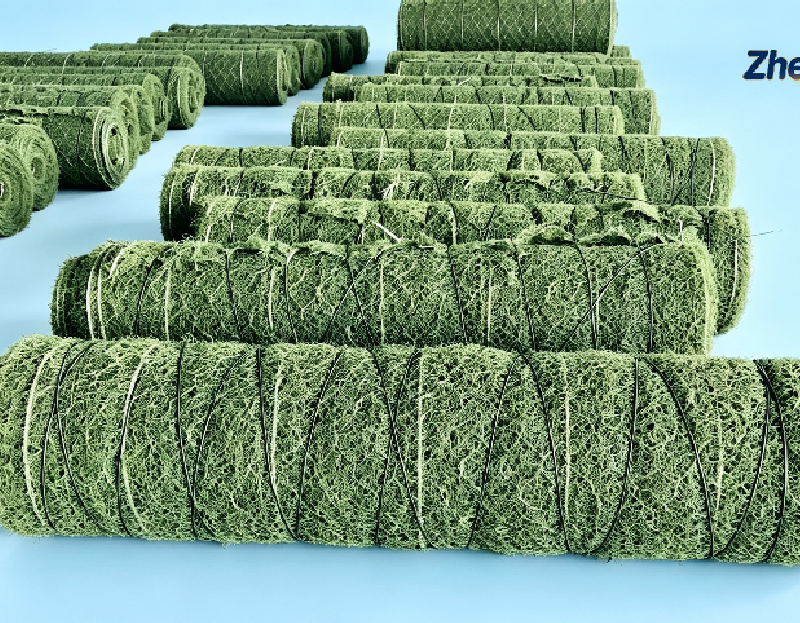 3D Geosynthetic Mat HS
Mass per unit area:600g/m²
Density: 900kg/m³
Mesh type:80X100/10X12
Wire diameter :2.7mm,2.7/3.7mm
Geomat colour:Black/Green /Brown
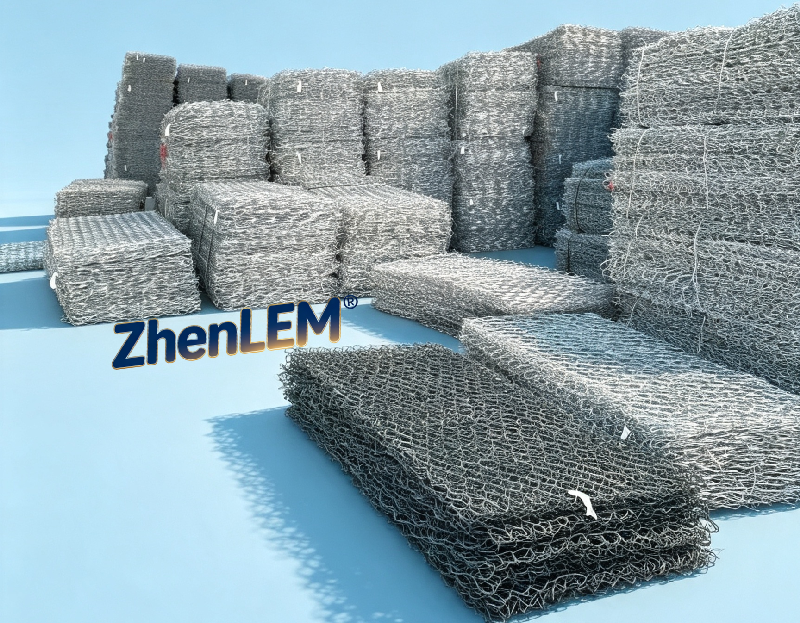 Gabion Basket
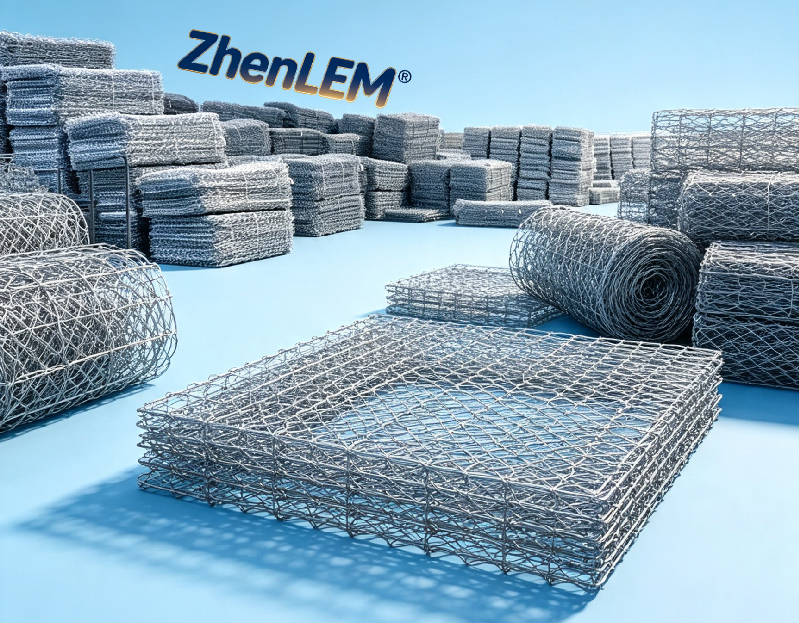
Gabion baskets have some advantages over loose riprap because of their modularity and ability to be stacked in various shapes; they are also resistant to being washed away by moving water.
Reinforced Vegetation Mat
Reinforced Vegetation Mat
refers to a type of geosynthetic material that is used in civil engineering and environmental applications. Geomats are engineered to provide various functions such as soil stabilization, erosion control, and slope protection.
3D Geomat Erosion Control Blanket
The 3D Geomat Erosion Control Blanket is a specialized geosynthetic material designed to prevent soil erosion and stabilize slopes in civil engineering and environmental projects. It is constructed with a three-dimensional structure that provides enhanced performance in erosion control.

MainProducts: Gabion Baskets for Sale, Gabions Supplier, Gabion Mattress manufacturer, Gabion Baskets Manufacturer, Welded Gabion, Custom Gabion Baskets, Gabion Landscaping, Crimped Mesh, Aluminum I Bar Grating, Slope Protection Gabion Mesh
Keywords: Road Mesh, Gabion Basket, Gabion Wall, Bastion Barrier Wall, Gabion Retaining Wall, Gabion Box

 EN