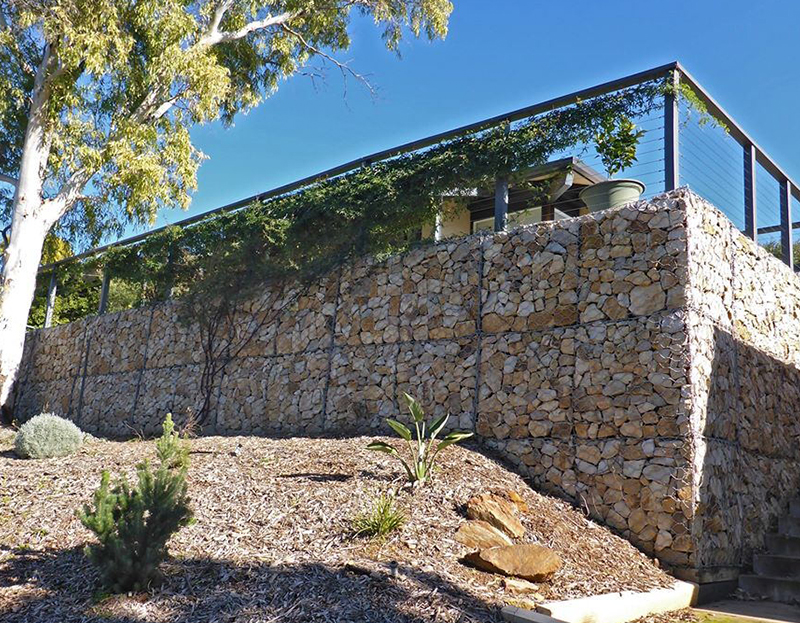

In the evolving field of landscape architecture, the integration of visually impactful materials is essential to create environments that resonate with their surroundings. However, many landscape architects often grapple with the challenge of selecting materials that harmonize aesthetic appeal with structural integrity. Neglecting this critical choice not only diminishes the overall design but can also lead to costly renovations and missed opportunities for enhancing property value and user engagement. I urge decision-makers to recognize the urgency of this issue: the choice of materials can make or break an entire project. Thus, understanding why gabions have become a popular solution among landscape architects is crucial.
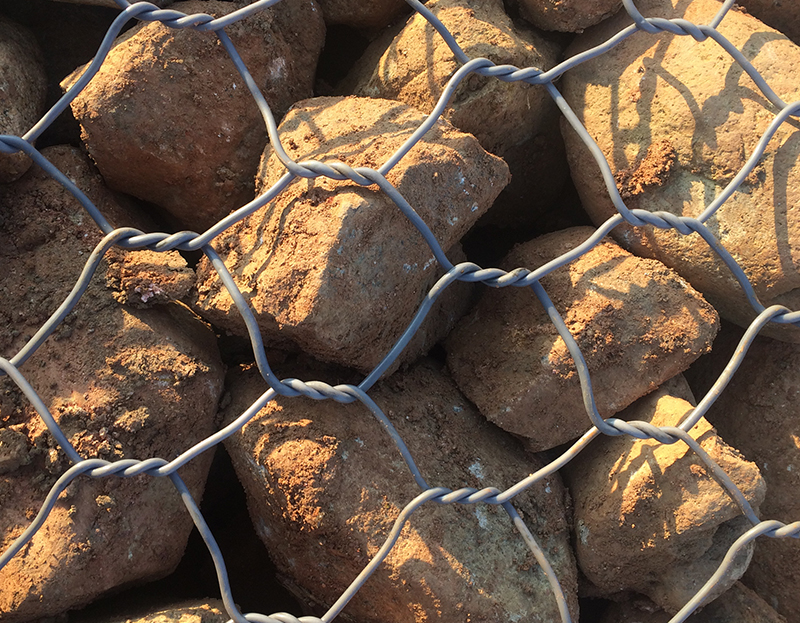
The underlying causes of this phenomenon are varied yet interconnected. Firstly, gabions offer unmatched versatility, allowing professionals to adapt their designs to diverse landscapes seamlessly. Made from durable materials like steel wire, they are designed to withstand harsh weather conditions with precision. In fact, according to ASTM standards, these structures can endure weights up to 70,000 pounds without significant deformation. Furthermore, the aesthetic adaptability of gabions, ranging from rustic to modern styles, enables architects to integrate them thoughtfully into both urban and rural settings. This combination of durability and design flexibility makes them a compelling choice for long-term projects.
From an industry perspective, the incorporation of gabions fundamentally alters how landscape architects approach projects. Companies that prioritize visual impact and structural viability are finding that such choices significantly enhance their market competitiveness. Specifically, gabions can reduce labor costs through efficient installation methods and lower maintenance expenses due to their longevity. By choosing gabions, landscape architects not only enhance the beauty and utility of their designs but also support sustainable practices, as these materials often utilize local aggregates, further reducing the project’s carbon footprint.
To illustrate the tangible benefits of gabions, I would like to highlight a case study involving a well-known urban park project. The design team reported that incorporating gabion walls not only elevated the park's visual charm but also contributed to a 30% increase in visitor satisfaction ratings post-installation. Furthermore, property values in nearby areas saw an average increase of 12% within two years, showcasing the significant economic impact of aesthetics aligned with functionality. Such evidence points to the effectiveness of gabions in enhancing both user experience and financial valuation.
However, the consequences of neglecting to consider these factors can be severe. If landscape architects ignore the potential of gabions, they risk delivering uninspired designs that fail to captivate the public's attention. Additionally, the repercussions can extend beyond aesthetics; increased maintenance costs, architectural inefficiencies, and a negative public perception can compromise future projects. As industry landscapes change, the importance of responding to visual demands while maintaining structural integrity becomes even more paramount.
In summary, it’s imperative for landscape architects and associated professionals to re-evaluate their material choices, prioritizing not just aesthetics but also the long-term functionality of their designs. Gabions stand out as a prime candidate for addressing these needs, offering visual impact that resonates with contemporary demands. I encourage professionals in the industry to consider the myriad benefits of gabions as a viable option that aligns with their vision of creating beautiful and enduring landscapes. For more information, visit Zhenlu, your trusted gabion supplier, where the artistry of landscape architecture meets the resilience of innovative materials.
Oct. 31, 2026
Oct. 24, 2026
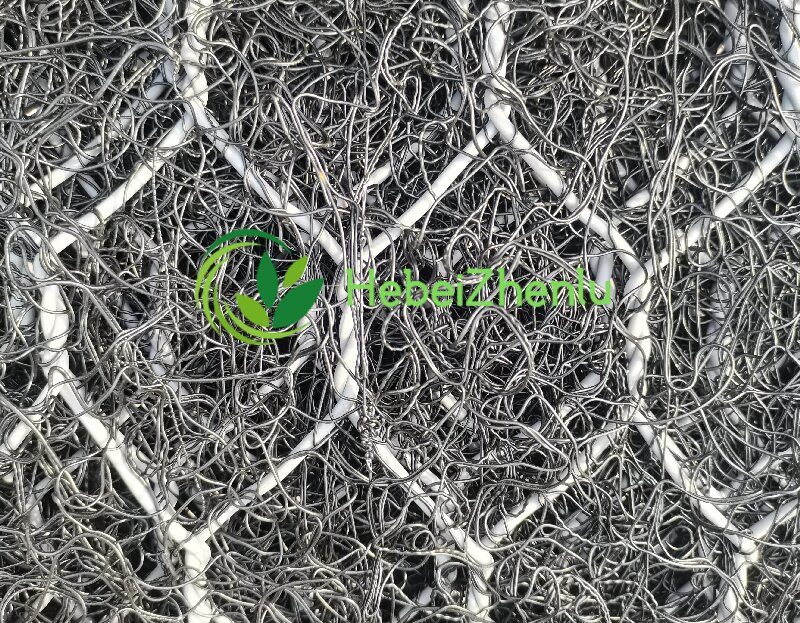 Gabion Composite Mat
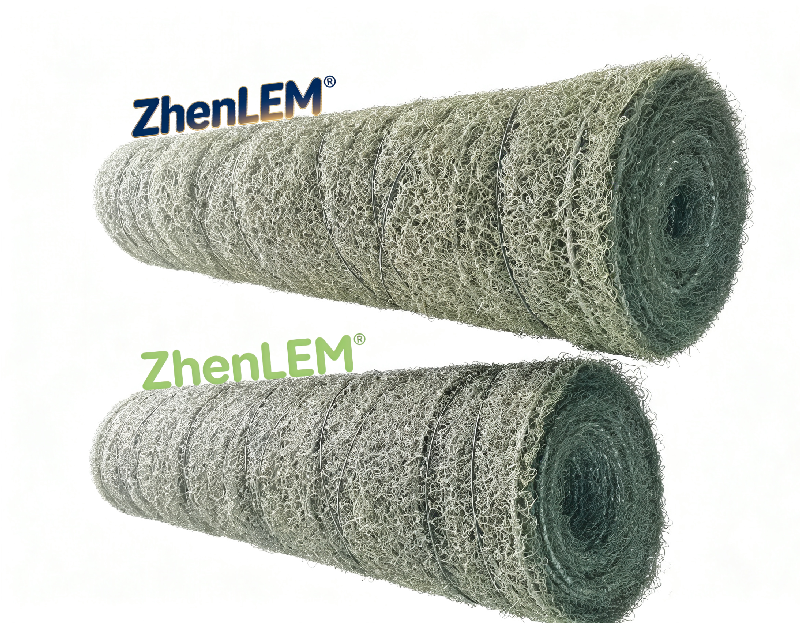
ZhenLEM® 3D Gabion composite mat is a three-dimensional turf reinforcement mat, manufactured from high-quality UV-stabilized synthetic filaments heat-tangled into an open, flexible porous matrix with porosity over 90% Gabion mesh roll.
 High-Strength Polyester Geogrid
ZhenLEM®High-strength polyester geogrid,(alternative to ParaGrid), is uniaxial or biaxial geogrid designed for soil reinforcement and foundation stabilization. It is widely applied in gabion retaining walls and slope protection projects.
 Reinforced Vegetation Mat
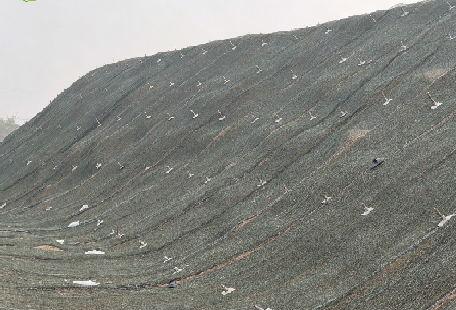
refers to a type of geosynthetic material that is used in civil engineering and environmental applications. Geomats are engineered to provide various functions such as soil stabilization, erosion control, and slope protection.
 3D Geomat Erosion Control Blanket
The 3D Geomat Erosion Control Blanket is a specialized geosynthetic material designed to prevent soil erosion and stabilize slopes in civil engineering and environmental projects. It is constructed with a three-dimensional structure that provides enhanced performance in erosion control.
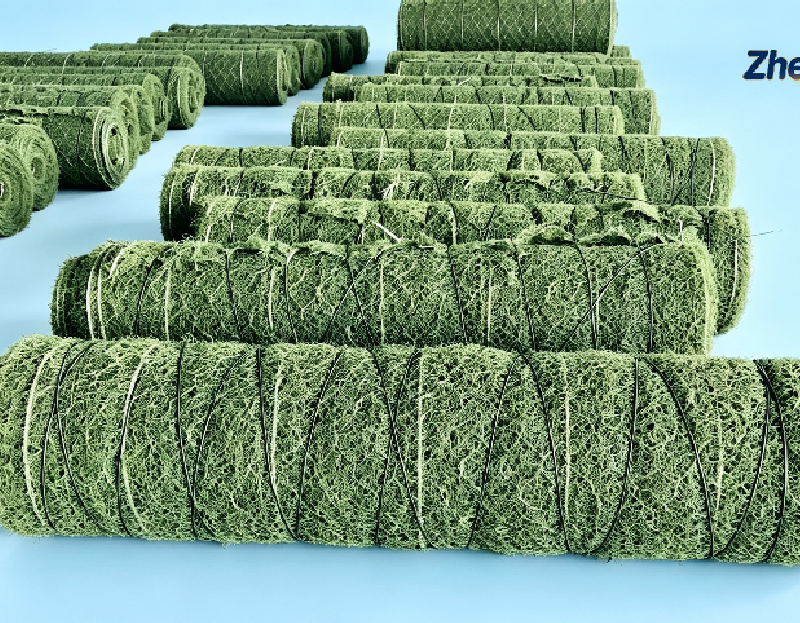 3D Geosynthetic Mat HS
Mass per unit area:600g/m²
Density: 900kg/m³
Mesh type:80X100/10X12
Wire diameter :2.7mm,2.7/3.7mm
Geomat colour:Black/Green /Brown
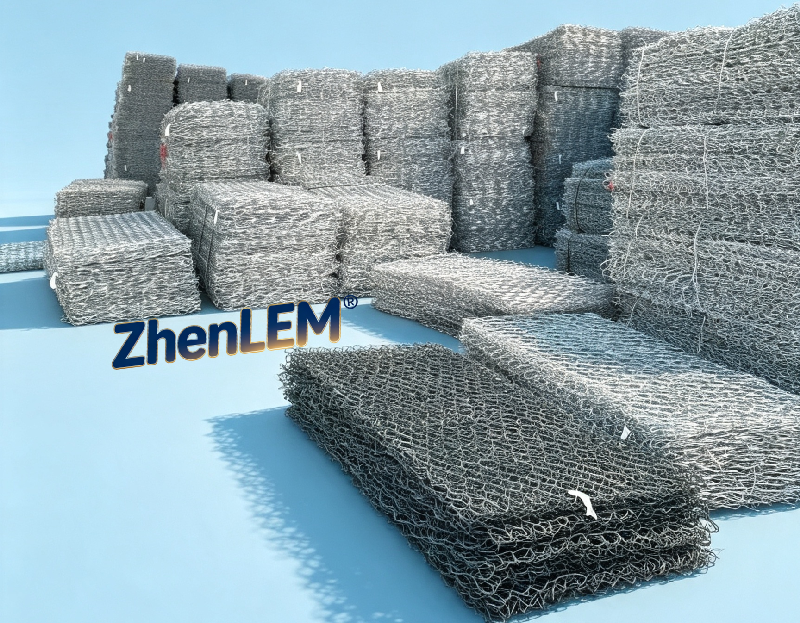 Gabion Basket
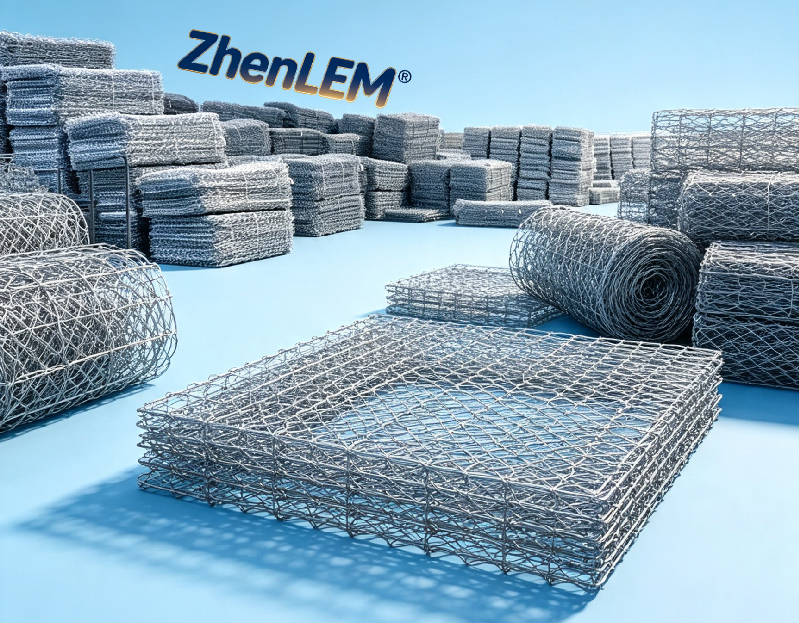
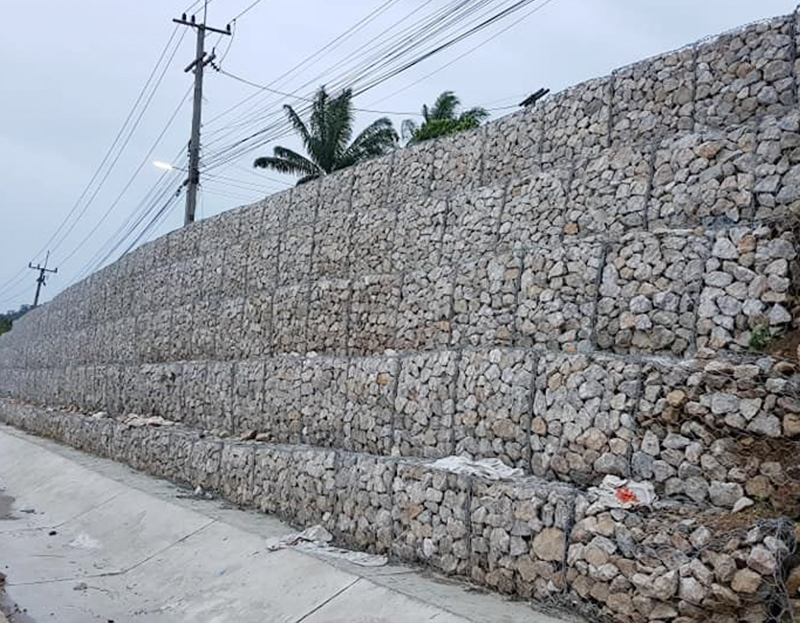
Gabion baskets have some advantages over loose riprap because of their modularity and ability to be stacked in various shapes; they are also resistant to being washed away by moving water.
Reinforced Vegetation Mat
Reinforced Vegetation Mat
refers to a type of geosynthetic material that is used in civil engineering and environmental applications. Geomats are engineered to provide various functions such as soil stabilization, erosion control, and slope protection.
3D Geomat Erosion Control Blanket
The 3D Geomat Erosion Control Blanket is a specialized geosynthetic material designed to prevent soil erosion and stabilize slopes in civil engineering and environmental projects. It is constructed with a three-dimensional structure that provides enhanced performance in erosion control.

MainProducts: Gabion Baskets for Sale, Gabions Supplier, Gabion Mattress manufacturer, Gabion Baskets Manufacturer, Welded Gabion, Custom Gabion Baskets, Gabion Landscaping, Crimped Mesh, Aluminum I Bar Grating, Slope Protection Gabion Mesh
Keywords: Road Mesh, Gabion Basket, Gabion Wall, Bastion Barrier Wall, Gabion Retaining Wall, Gabion Box

 EN